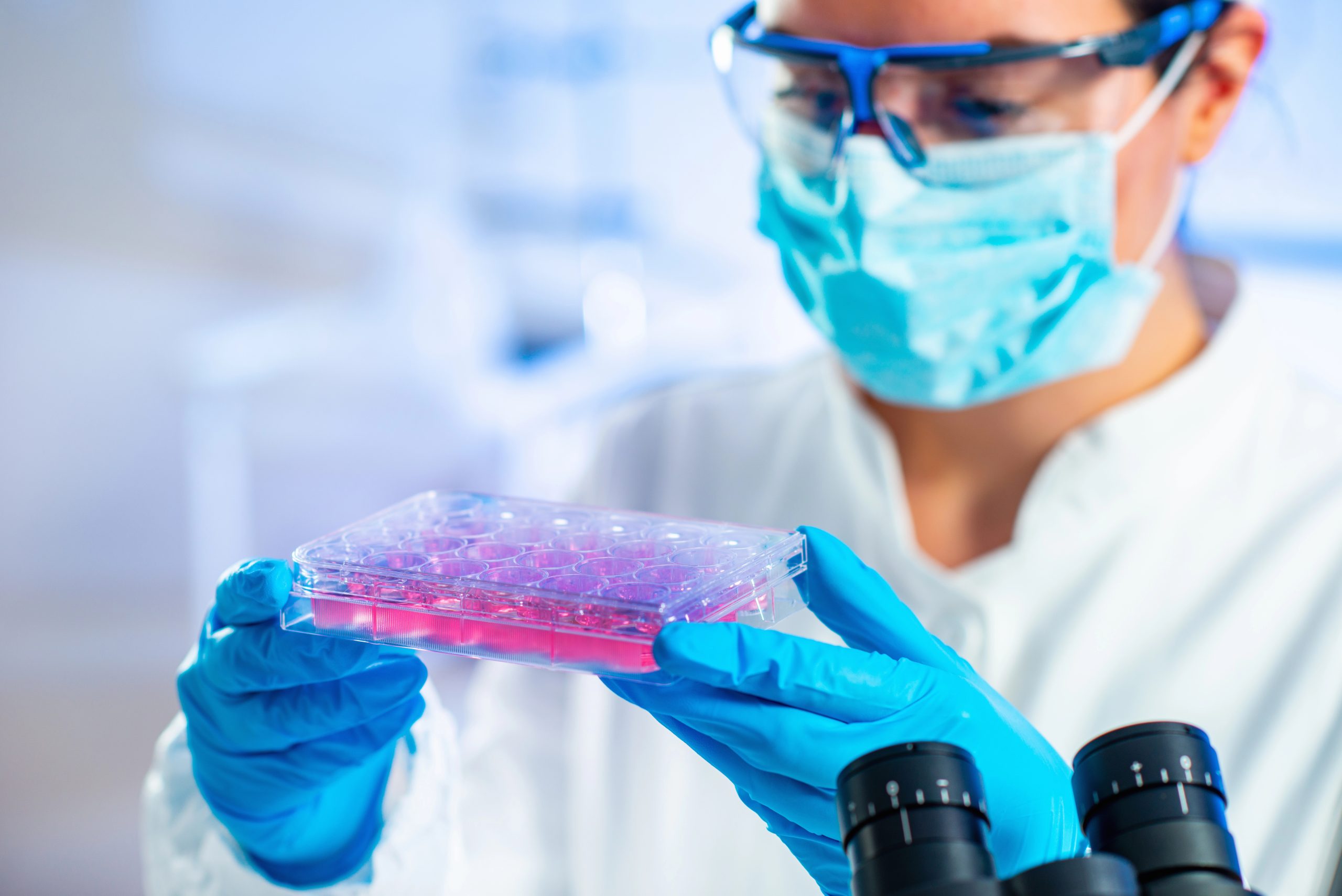
Frailty is a condition that makes older adults weak, tired, and more likely to fall or get sick. Until now, doctors relied mainly on exercise, healthy eating, and supportive care to help people with frailty. But recent research suggests something surprising: stem cell therapy may actually reverse some of the symptoms of frailty.
Below, we explore the latest milestones research has reached in this field. Keep reading and find out more.
Understanding Frailty
Frailty is a medical condition that includes slow movement, less endurance, and a higher chance of health problems such as falls or infections. Many adults over 65 experience some form of frailty, and it makes daily life more difficult.
Researchers believe frailty happens because of a mix of chronic inflammation, weaker blood vessels, and a decrease in the body’s natural ability to repair itself. One key factor is that our stem cells lose strength as we age.
The Stem Cell Treatment Study
A new clinical trial tested a therapy called laromestrocel, which uses special stem cells from young, healthy donors. These cells are called mesenchymal stem cells (MSCs). Unlike other treatments that use a patient’s own cells, these donor cells can be used more broadly.
The study included 148 adults aged 70 to 85 who were frail but could still walk. Participants received either a single dose of the stem cell therapy or a placebo (a treatment without active cells). Researchers measured improvement using the six-minute walk test (6MWT), which tracks how far someone can walk in six minutes.
What the Results Showed
Nine months after treatment, the study found:
- People who got the highest dose of stem cells walked an average of 63 meters farther than those who received the placebo.
- Participants reported feeling stronger and more capable in daily life.
- About one-third of treated participants were no longer classified as frail.
These results show that stem cells may not only slow down frailty but also partly reverse it.
How Stem Cells Work
Stem cells are unique cells in the body that have the ability to develop into many different types of cells and support tissue repair. They can divide to produce more stem cells or specialize into cells like muscle, bone, or blood cells.
This ability makes them vital for maintaining and regenerating tissues throughout life. In adults, stem cells are found in bone marrow, fat, and other tissues, where they help repair damage and respond to injury.
Stem cell therapy uses these cells to support or enhance the body’s natural repair systems. In the context of aging and frailty, the therapy aims to strengthen tissues that have weakened over time, reduce inflammation, and improve overall organ and muscle function.
This approach is different from traditional treatments because it works at the level of tissue regeneration, rather than just managing symptoms.
Stem cells don’t just become new tissue. Instead, they release signals and growth factors that help the body repair itself. In the study, these cells appeared to reduce inflammation and improve blood vessel function, creating a healthier environment for tissues to work better.
Why This Matters
This trial is part of a growing field in aging research that focuses on treating the causes of aging, not just symptoms. Stem cell therapies like laromestrocel are being explored for heart disease, muscle repair, and neurological conditions. The recent frailty study is one of the first to show real, measurable improvement in a controlled clinical trial for older adults.
These results provide evidence that regenerative medicine can have tangible benefits on physical function, rather than only theoretical potential. By supporting the body’s own repair mechanisms, stem cell therapies may help address multiple age-related declines simultaneously, which could improve overall quality of life for older adults.
Things to Keep in Mind
Even though the results are promising, there are some important points to take into account before making general conclusions on these topics and the ongoing research studies behind them:
- The improvements were measured over nine months, so long-term effects are not yet clear.
- Scientists are still studying exactly how the therapy works and which patients benefit most.
- Frailty is not always recognized as a formal disease, which may affect approval for this kind of therapy.
Contact Cellebration Wellness Today to Learn More
At Cellebration Wellness, we are dedicated to providing the latest information on stem cell research. We focus on wellness and regenerative approaches inspired by the latest advances in stem cell research
If you have questions about how stem-cell treatment works on and for other conditions apart from Frailty, a consultation with a qualified professional is a good place to start. Our team is here to provide the clarity you need to make an informed decision about your health.
Contact Cellebration Wellness today to learn more. You can reach us online to schedule a consultation or call us at 858-258-5090 to speak with a specialist.