In a historic move for regenerative medicine, Japan has approved the world’s first stem-cell therapy designed to treat Parkinson’s disease. The decision marks a milestone not only for patients with the neurological condition but also for the broader field of stem-cell science, which has long promised the ability to repair damaged tissues and restore lost functions.
Japan’s approval signals that nearly two decades of research into these reprogrammed cells may finally be translating into real-world medical treatments.
Below is a closer look at what the therapy involves, why the approval matters, and the questions that still remain.
What Parkinson’s Disease Does to the Brain
Parkinson’s disease is a progressive neurological disorder that primarily affects movement. It occurs when specialized nerve cells in the brain (those responsible for producing the neurotransmitter dopamine) gradually die off.
Dopamine plays a crucial role in coordinating movement and other neurological processes. As its levels drop, patients may develop symptoms such as tremors, stiffness, slowed movement, and balance problems.
For decades, treatments have mainly focused on managing symptoms rather than repairing the underlying damage. The most widely used medication, levodopa, has remained largely unchanged for about half a century. While it helps replenish dopamine levels, it does not halt the degeneration of neurons, and its effectiveness can fluctuate over time.
That limitation has motivated scientists to search for therapies capable of replacing or regenerating the lost brain cells themselves.
How Stem Cells Offer a Different Approach
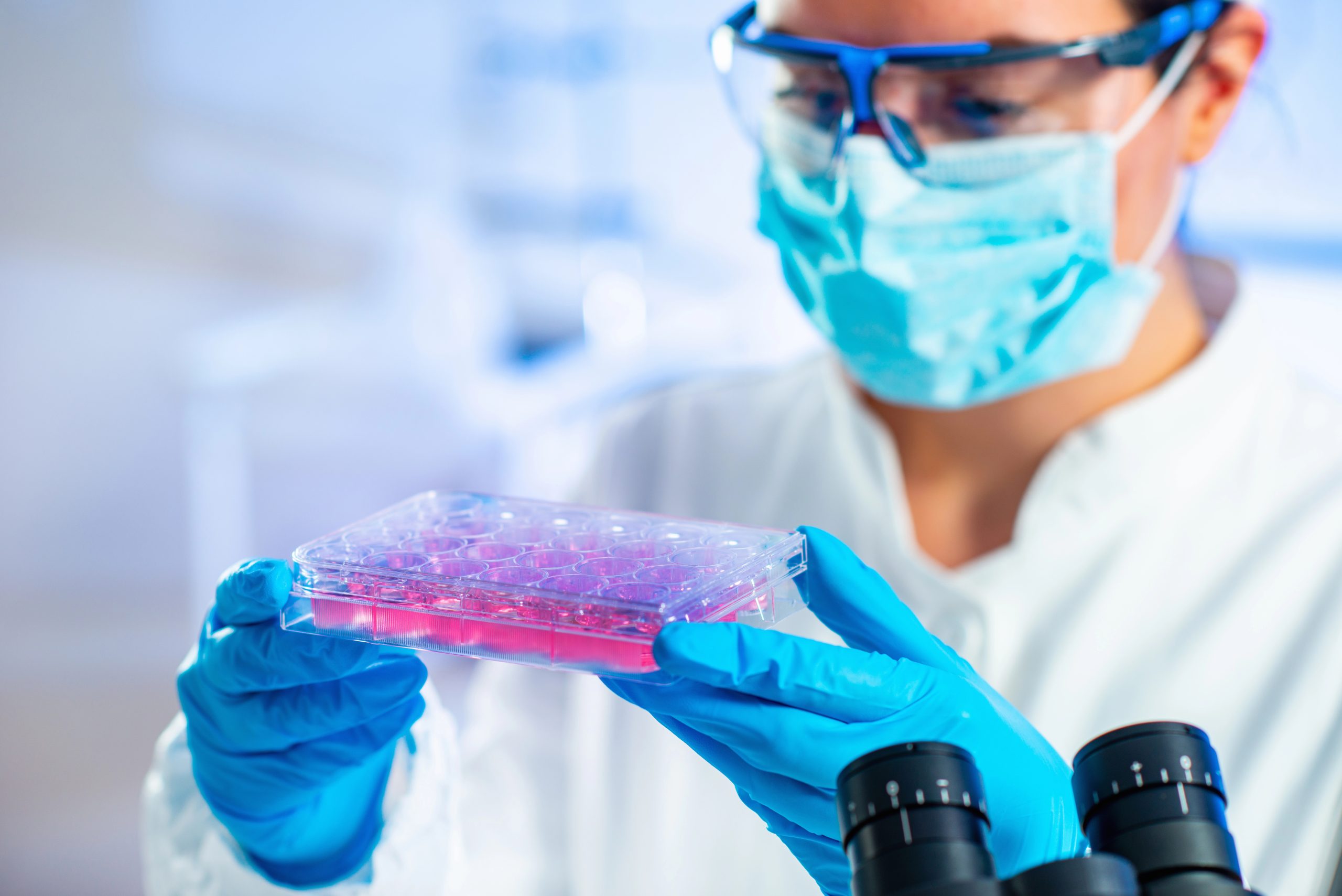
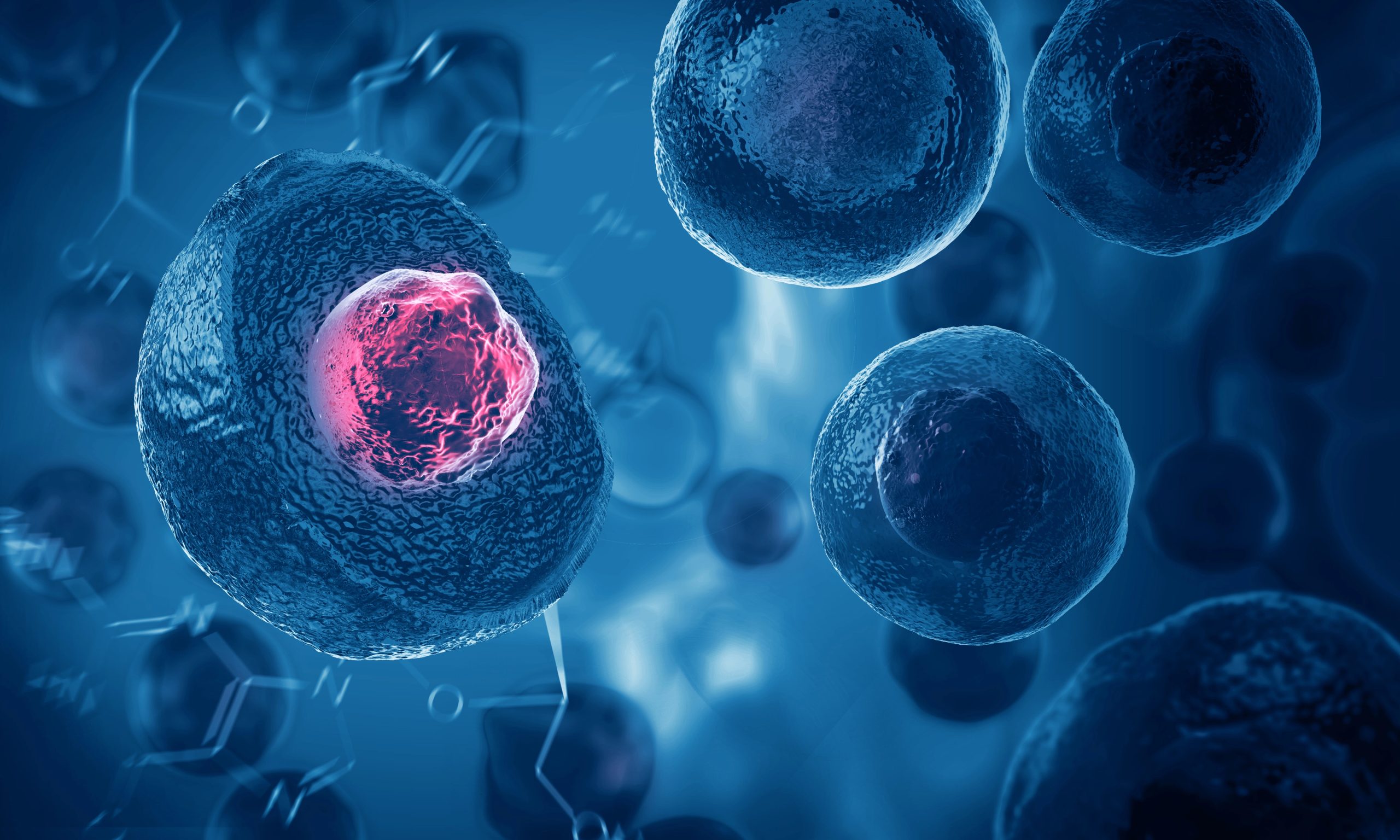
The newly approved treatment uses induced pluripotent stem cells, commonly known as iPS cells. These are created by taking mature cells (often from blood or skin) and reprogramming them into a flexible, embryonic-like state. From there, scientists can coax the cells to develop into specific types of tissue.
In the case of Parkinson’s disease, researchers convert the iPS cells into dopamine-producing progenitor cells. These precursor cells are then transplanted into the brain, where they are intended to mature into functioning neurons that release dopamine. The ultimate goal is to restore some of the neural activity that the disease has destroyed.
This approach is part of a broader field known as regenerative medicine, an area of research focused on repairing or replacing damaged tissues using biological techniques rather than traditional drugs alone.
The Therapy Behind the Approval
The Parkinson’s treatment approved in Japan, developed by Sumitomo Pharma in collaboration with the biotechnology firm Racthera, is known as AMCHEPRY. It is one of two iPS-cell-based therapies recently endorsed by Japanese regulators.
The therapy relies on induced pluripotent stem (iPS) cells, an innovation first pioneered by Shinya Yamanaka, who later received the Nobel Prize for the discovery.
Early clinical trials involved a small group of patients with advanced Parkinson’s disease. In these studies, dopamine-producing progenitor cells derived from iPS cells were implanted into both sides of the brain.
Although the trials were limited in size, researchers reported promising outcomes. Some participants showed improvements in motor function, and no major safety issues were observed during follow-up monitoring.
The approval also coincides with the endorsement of another regenerative treatment in Japan: an iPS-cell-based therapy for severe heart failure, which highlights the country’s commitment to pushing regenerative medicine into clinical practice.
Why Japan Is Leading the Way
Japan has positioned itself as a global leader in stem-cell research and regulation. The country introduced policies designed to accelerate the development of regenerative medicine, allowing certain therapies to receive conditional approval earlier than they might in other countries.
Under this system, promising treatments can be approved after early clinical studies if they demonstrate safety and potential effectiveness. Companies are then required to collect additional data after the therapy enters the market.
Supporters say this regulatory pathway allows patients with serious diseases to access cutting-edge therapies sooner. It also helps innovative technologies move more quickly from the laboratory to the clinic.
Japan’s investment in iPS cell research (sparked by Yamanaka’s discovery in 2006) has played a central role in reaching this point. The technology allows scientists to create pluripotent cells without using embryos, addressing ethical concerns that have sometimes complicated other stem-cell approaches.
Early Results Show Promise, but With Limits
Despite the enthusiasm, the clinical data behind the approval remain limited and under evaluation. The Parkinson’s therapy has so far been tested in only a handful of patients, meaning larger studies will be needed to confirm its effectiveness and long-term safety.
Some scientists have expressed caution about approving therapies with limited trial data. In early studies, improvements in motor symptoms were observed in some patients, but the small sample size makes it difficult to draw firm conclusions about how well the treatment works across a broader population.
Researchers also note potential risks associated with stem-cell therapies. Because the transplanted cells are derived from donors rather than the patient, recipients may require immunosuppressive drugs to prevent rejection. These medications carry their own potential side effects.
Another theoretical concern involves the behavior of pluripotent stem cells. If not carefully controlled, they could form unwanted tissue or tumors, although studies so far suggest the transplanted cells can survive and produce dopamine without forming tumors.
A Major Milestone for Regenerative Medicine
Even with unanswered questions, the approval represents a landmark moment in the history of stem-cell science. Nearly 20 years after the development of iPS cell technology, the first commercial therapies based on these cells are beginning to reach patients.
For people living with Parkinson’s disease, the development offers hope that treatments may eventually go beyond symptom management.
More broadly, the decision signals that regenerative medicine is moving from experimental research toward practical medical applications. If successful, similar approaches may one day be used to treat a range of conditions involving damaged or lost cells, from neurodegenerative diseases to heart failure.
Learn More with Cellebration Wellness
The next step for the Parkinson’s stem-cell therapy will be continued monitoring and larger post-approval studies. Researchers will need to track patients over time to determine how long the transplanted cells survive, how effectively they restore dopamine production, and whether any long-term complications arise.
If the results remain positive, the therapy could pave the way for a new generation of treatments based on cell replacement rather than chemical drugs.
At Cellebration Wellness, we are dedicated to providing the latest information on stem cell research. We focus on wellness and regenerative approaches inspired by the latest advances in stem cell research
If you have questions about how stem-cell treatment may contribute to coping with Parkinson's, a consultation with a qualified professional is a good place to start. Our team is here to provide the clarity you need to make an informed decision about your health.
Contact Cellebration Wellness today to learn more. You can reach us online to schedule a consultation or call us at 858-258-5090 to speak with a specialist.