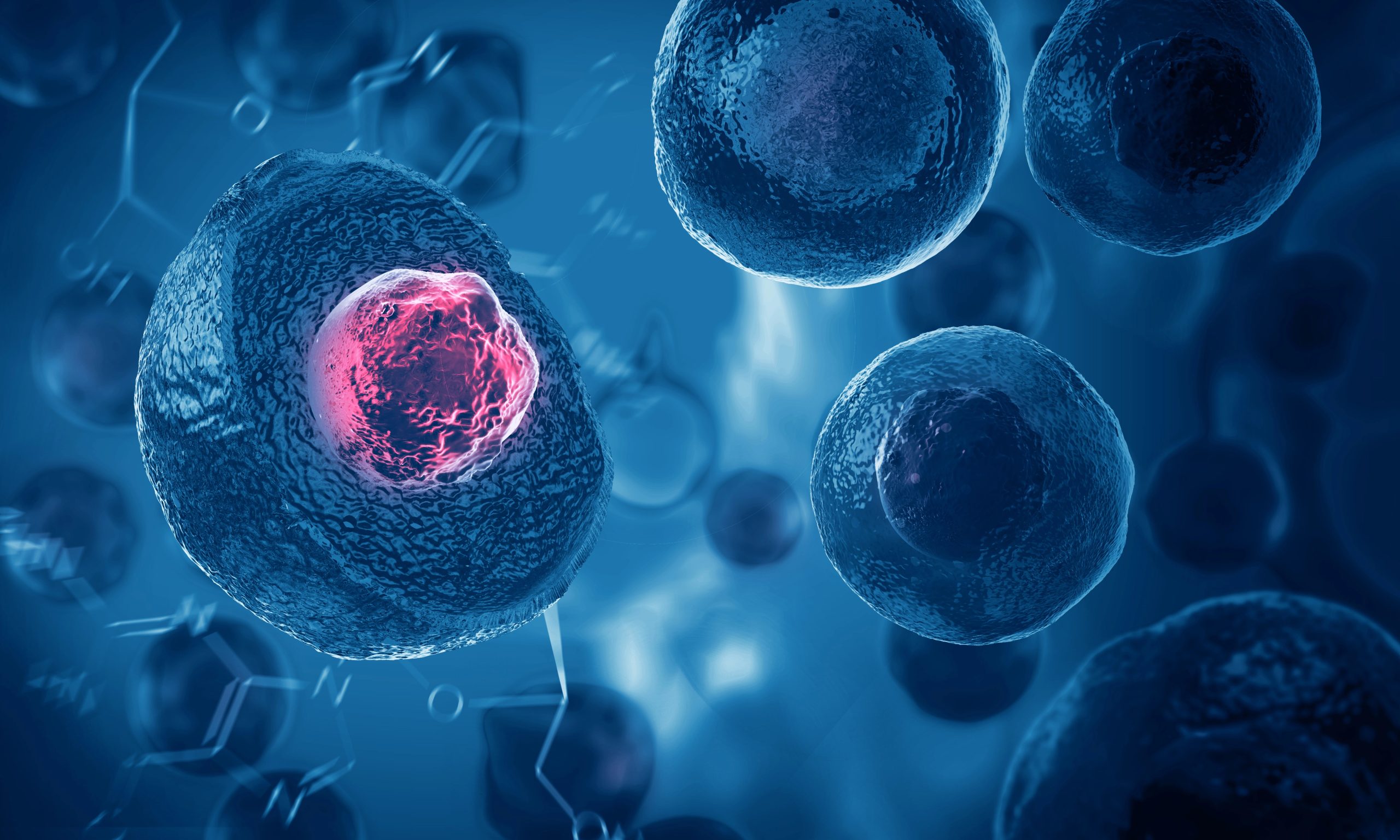
Stem cell therapy has attracted growing interest in regenerative medicine as a potential approach to support tissue repair, reduce inflammation, and aid recovery for various chronic conditions. Patients often wonder whether a single stem cell treatment is sufficient or if repeat treatments might be necessary.
This article explores the current scientific understanding, factors influencing repeat treatments, and practical considerations, providing an educational overview for those interested in regenerative health.
What Is Stem Cell Therapy and How Does It Work?
Stem cell therapy involves specialized cells capable of differentiating into different types of cells and releasing signaling molecules that may influence tissue repair, immune regulation, and inflammation. Among the most studied are mesenchymal stem cells (MSCs), which can be derived from bone marrow, adipose tissue, or tissue.
Research has shown that MSCs may interact with immune cells, release growth factors, and support healing in musculoskeletal injuries or chronic inflammatory conditions. The therapy is considered promising for conditions that involve tissue damage or immune dysregulation, though its effectiveness varies based on factors such as the severity of the condition, patient health, and the type or source of stem cells used.
Why Might Repeat Stem Cell Treatments Be Considered?
Scientific studies and clinical observations suggest that repeat stem cell treatments may sometimes be beneficial, particularly for chronic or severe conditions. For example, patients with advanced joint degeneration, chronic inflammation, or musculoskeletal injuries may experience incremental improvements over multiple sessions rather than long-lasting relief from a single treatment.
The number of cells administered, the potency of the preparation, and the targeted tissue area can also influence outcomes. Lower concentrations of stem cells or larger treatment areas may require additional treatments to achieve sustained regenerative effects. Individuals with autoimmune or inflammatory conditions, such as rheumatoid arthritis, may also show variable responses, making repeat sessions a potential consideration in research or experimental protocols.
It’s important to note that decisions about repeat treatments are typically guided by careful clinical evaluation rather than a routine schedule, emphasizing the individualized nature of regenerative therapies.
How Do Researchers and Clinicians Assess the Need for Repeat Treatments?
In studies and clinical programs, several factors are considered before additional treatments are proposed. Researchers monitor patient progress, including improvements in pain, mobility, and overall function.
Imaging studies such as MRIs or ultrasounds can reveal signs of tissue repair or regeneration. Patient-reported outcomes are also crucial in evaluating how the therapy affects daily activities and quality of life.
Safety is another key consideration. Repeat treatments in controlled research settings have generally been well tolerated, with most reported side effects being mild and temporary, such as localized discomfort, low-grade fever, or fatigue. Ongoing monitoring ensures that any additional therapy is conducted safely and based on the patient’s response to the initial treatment.
Are Repeat Stem Cell Treatments Safe?
Evidence from research studies indicates that repeat stem cell treatments are generally safe when conducted under proper protocols. Most adverse events are minor and short-lived, such as localized soreness, mild swelling, or temporary fatigue. Serious complications, including infections, organ issues, or unintended tissue reactions, are rare in controlled research settings.
Because stem cell therapy is still considered experimental for many conditions, ongoing research continues to evaluate long-term safety and potential cumulative effects.
Factors such as cell source, method of delivery, dosing frequency, and the patient’s overall health can influence outcomes, emphasizing the importance of careful study design, patient monitoring, and adherence to evidence-based protocols to minimize risk and optimize results.
What Does Current Research Say About Repeat Treatments?
Although large-scale studies are limited, early research and clinical reports have observed cumulative benefits in some patients. Patients with chronic joint or musculoskeletal conditions may experience sustained pain relief, improved range of motion, and enhanced functional performance with additional treatments.
Some studies suggest that repeat treatments can help reinforce the regenerative effects of stem cells, supporting ongoing tissue repair and potentially prolonging symptom relief.
However, not all patients require repeat therapy. Some achieve meaningful improvement after a single session, depending on factors such as the severity of tissue damage, age, overall health, and the body’s individual response to stem cells.
This variability underscores the importance of individualized assessment, careful monitoring, and ongoing research to determine optimal treatment protocols, timing, dosing, and patient selection criteria.
Continued studies are essential to better understand which conditions benefit most from repeated interventions and how to maximize long-term outcomes safely.
How Long Should Patients Wait Before Considering Another Treatment?
Research programs typically monitor progress for several weeks to months before evaluating the need for additional stem cell treatments. An observation period of 8–12 weeks is often used to assess clinical improvement, tissue repair, and patient-reported outcomes.
The decision to consider repeat treatments is informed by objective measures, symptom relief, and functional improvement. This approach ensures that any additional therapy is appropriate and medically justified.
Frequently Asked Questions About Repeat Stem Cell Treatments
- Are repeat treatments always necessary?
No. Many patients experience meaningful improvements after a single treatment. Repeat sessions are sometimes considered based on the patient’s response and the severity of their condition. - Can repeat treatments cause complications?
When performed in controlled research settings, serious complications are rare. Mild, temporary side effects such as soreness or fatigue are most commonly reported. - How is the need for a second treatment determined?
Researchers and clinicians assess progress through imaging, patient feedback, and functional evaluations. Repeat treatments are recommended only when the potential benefits outweigh risks. - Will insurance cover repeat treatments?
Coverage varies widely, as stem cell therapies are often considered experimental. Patients should check with insurance providers before pursuing treatment. - How long do the effects of repeat treatments last?
Outcomes vary. Some patients experience long-term benefits, while others may require ongoing monitoring or complementary therapies.
Learn More on Regenerative Medicine with Cellebration Wellness
Patients interested in learning about stem cell research, regenerative medicine, or whether repeat treatments may be relevant to their condition can benefit from acquiring new knowledge on these topics. Understanding how research is evolving allows individuals to make informed decisions and ask the right questions when discussing regenerative strategies with medical professionals.
For more information about regenerative health education and current advances in stem cell research, contact Cellebration Wellness at (858) 258-5090. Our team provides guidance to help people explore emerging regenerative science safely and knowledgeably.