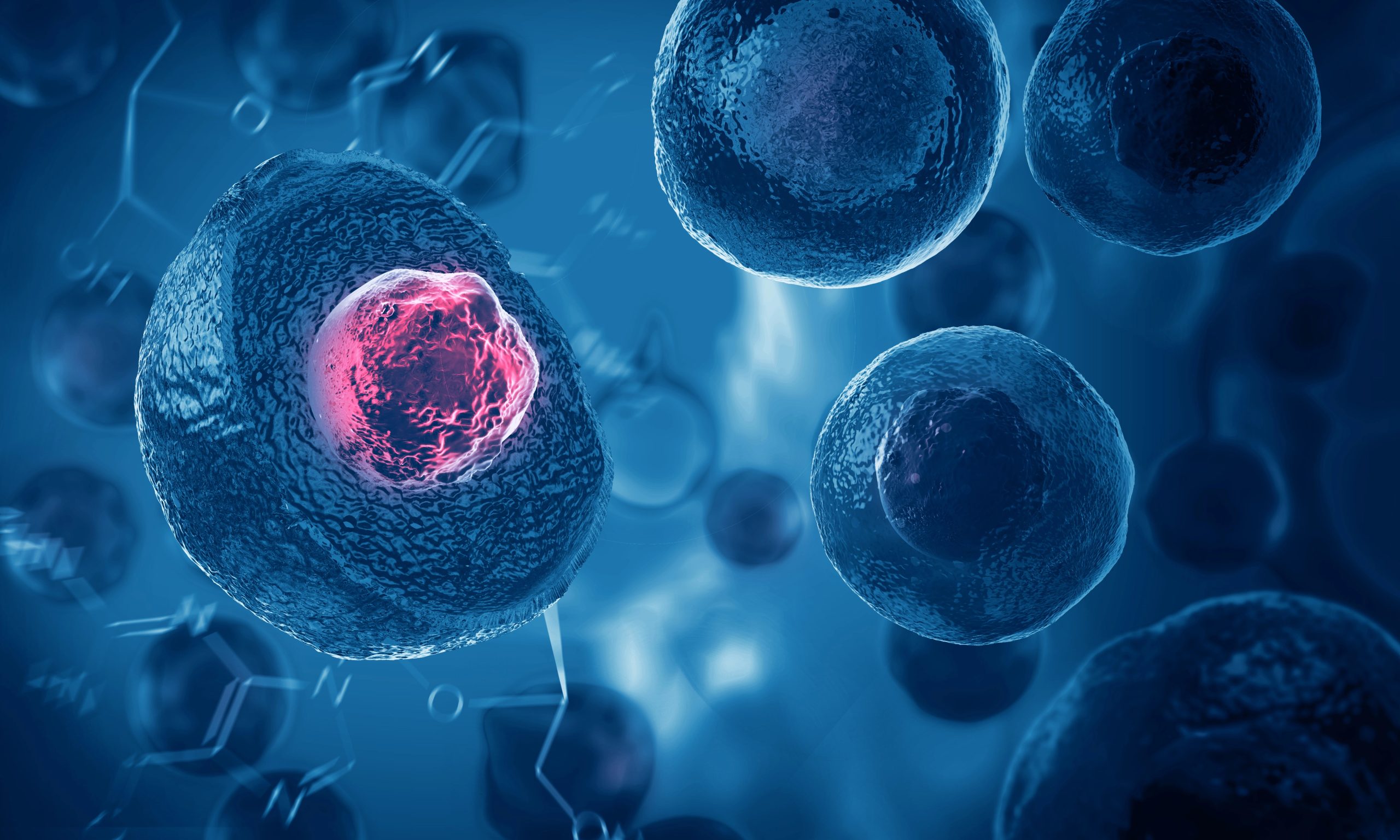
Autoimmune diseases affect millions of people worldwide and can have a great impact on daily life. These conditions occur when the immune system mistakenly attacks healthy cells, tissues, or organs. Common autoimmune diseases include rheumatoid arthritis, multiple sclerosis, lupus, psoriasis, and inflammatory bowel disease.
While current treatments often focus on managing symptoms and slowing disease progression, researchers continue to explore new approaches that may better address the underlying immune imbalance. Stem cell research has been drawing attention as a new potential treatment for autoimmune diseases. Rather than offering a cure, stem cell studies aim to better understand how immune responses might be regulated and how inflammation could be reduced.
Below is an overview of what autoimmune diseases are, why stem cells are being studied, what research currently shows, and what limitations still exist.
What Are Autoimmune Diseases and How Are They Treated Today?
The immune system is designed to protect the body from infections and harmful invaders. In autoimmune diseases, this system becomes overactive and mistakenly targets healthy tissue. Depending on the condition, the immune system may attack joints, skin, nerves, organs, or blood cells.
Autoimmune diseases are often chronic and can fluctuate over time, with periods of flare-ups followed by remission. Symptoms vary widely but commonly include pain, fatigue, swelling, stiffness, and organ dysfunction. Because these conditions involve ongoing immune activity, treatment usually focuses on controlling inflammation rather than eliminating the disease.
Standard treatment for autoimmune diseases often includes anti-inflammatory medications, immunosuppressant drugs, or biologic therapies. These treatments aim to reduce immune activity and prevent further tissue damage. While many patients experience symptom relief, these approaches do not cure the disease and may carry side effects with long-term use.
Because autoimmune diseases are complex and vary from person to person, treatment plans are usually individualized. This complexity has led researchers to explore additional strategies that may complement existing care, including advances in regenerative and immune-focused research.
Why Is Stem Cell Research Relevant to Autoimmune Diseases?
Stem cell research has gained attention because certain types of stem cells appear to interact with the immune system in unique ways. Much of the research focuses on mesenchymal stem cells (MSCs), which are studied for their immune-modulating properties rather than their ability to replace damaged tissue.
Researchers are interested in how these cells communicate with immune cells and influence inflammation. Instead of directly repairing organs or joints, stem cells are being studied for their potential role in creating a more balanced immune environment.
How Do Stem Cells Interact With the Immune System?
Laboratory studies suggest that mesenchymal stem cells may release signaling molecules that influence immune responses. These signals can affect how immune cells behave, potentially reducing excessive inflammatory activity.
In autoimmune diseases, inflammation is a key driver of tissue damage. By studying how stem cells affect inflammatory signaling, researchers hope to better understand whether these cells could help regulate immune responses without broadly suppressing the immune system.
Stem cells are not thought to “reset” or replace the immune system. Instead, research focuses on whether they can support immune balance and reduce harmful overactivity.
What Does Current Research Show About Stem Cells and Autoimmune Conditions?
Research results vary depending on the specific autoimmune disease, study design, and patient population. Some early clinical studies report improvements in symptoms or reduced disease activity in certain conditions, while others show limited outcomes.
Stem cell research is still considered experimental for most autoimmune diseases. Large-scale clinical trials are ongoing, and long-term safety and effectiveness are still being evaluated. At this time, stem cell research has not replaced standard autoimmune treatments.
Most researchers view stem cell studies as a potential supportive approach that may complement conventional treatments in the future. Managing autoimmune diseases still requires long-term medical care, monitoring, and lifestyle adjustments.
What Are the Limitations and Risks of Stem Cell Research?
There is no standardized protocol for treating autoimmune diseases, and outcomes can vary based on cell source, processing methods, and patient health. Regulatory oversight also differs by region, which affects how treatments are studied and applied.
Patients should be cautious of claims that promise guaranteed results. Current evidence supports careful patient selection, medical supervision, and realistic expectations. Responsible research emphasizes safety, transparency, and ongoing evaluation.
How Does Overall Health Influence Research Outcomes?
Individual health factors play an important role in how the immune system behaves. Age, metabolic health, stress levels, nutrition, and lifestyle habits can all influence inflammation and immune responses.
Research suggests that patients with less advanced disease and fewer complications may respond differently from those with long-standing or severe autoimmune conditions. This variability highlights the importance of personalized medical evaluation when considering any emerging therapy.
For example, systemic lupus erythematosus (lupus) is a complex autoimmune disease that can affect multiple organs. Research into immune-modulating strategies has drawn interest due to lupus’s inflammatory nature and unpredictable course. Studies continue to explore whether stem cell–related approaches may help regulate immune responses in lupus when used alongside conventional care.
What Role Does Ongoing Research Play in the Future of Autoimmune Care?
Ongoing research is essential to understanding how immune regulation works at a cellular level. Advances in imaging, biomarkers, and immunology are helping researchers identify which patients may benefit most from emerging approaches.
Rather than replacing existing treatments, stem cell research may eventually become part of a broader, integrative strategy that supports immune balance, reduces inflammation, and improves quality of life.
Patients considering information about stem cell research should seek appropriate medical guidance. Not all therapies are appropriate for every condition, and claims should always be evaluated carefully.
Autoimmune diseases require long-term management, and emerging research should be viewed as one part of an evolving scientific landscape rather than a standalone solution.
Frequently Asked Questions
- Can stem cells cure autoimmune diseases?
No. Stem cell research is not considered a cure for autoimmune diseases. Most autoimmune diseases cannot be cured. Current studies focus on immune regulation and inflammation control, not eliminating the underlying condition. - Why are stem cells being studied for autoimmune disorders?
Researchers are interested in stem cells because certain types may influence immune signaling and inflammatory responses. This makes them relevant for studying conditions driven by immune overactivity. - Are stem cell treatments approved for autoimmune diseases?
Most stem cell–based approaches for autoimmune diseases are still considered experimental. Approval status depends on the specific therapy, condition, and regulatory guidelines in each country. - How do stem cells differ from immunosuppressive medications?
Traditional medications broadly suppress immune activity, which can increase infection risk. Stem cell research explores more targeted immune modulation, although this area is still under investigation. - Can stem cell research help reduce inflammation?
Some studies suggest stem cells may release signals that influence inflammatory pathways. However, results vary, and more research is needed to confirm long-term effectiveness. - Who may be considered for stem cell–related research approaches?
Research suggests outcomes may vary based on disease stage, overall health, and immune activity. Medical evaluation is essential before considering any emerging therapy. - Is stem cell research safe for autoimmune patients?
Clinical studies generally emphasize safety, but risks depend on the method used, patient health, and clinical oversight. Long-term data is still being collected. - How long does it take to see results in studies that report improvement?
When improvements are reported, they typically develop gradually over weeks or months rather than immediately.
Do You Want to Learn More? Contact Cellebration Wellness
Stem cell research continues to expand our understanding of immune regulation and inflammation in autoimmune diseases. While it is not a cure, it represents an important area of scientific exploration that may help shape future treatment strategies.
At Cellebration Wellness, we focus on wellness-centered and research-informed approaches that support overall health. We study wellness and regenerative approaches inspired by the latest advances in stem cell research.”
Contact us today at 858-258-5090 to learn more about regenerative research and how it may relate to your individual health goals.