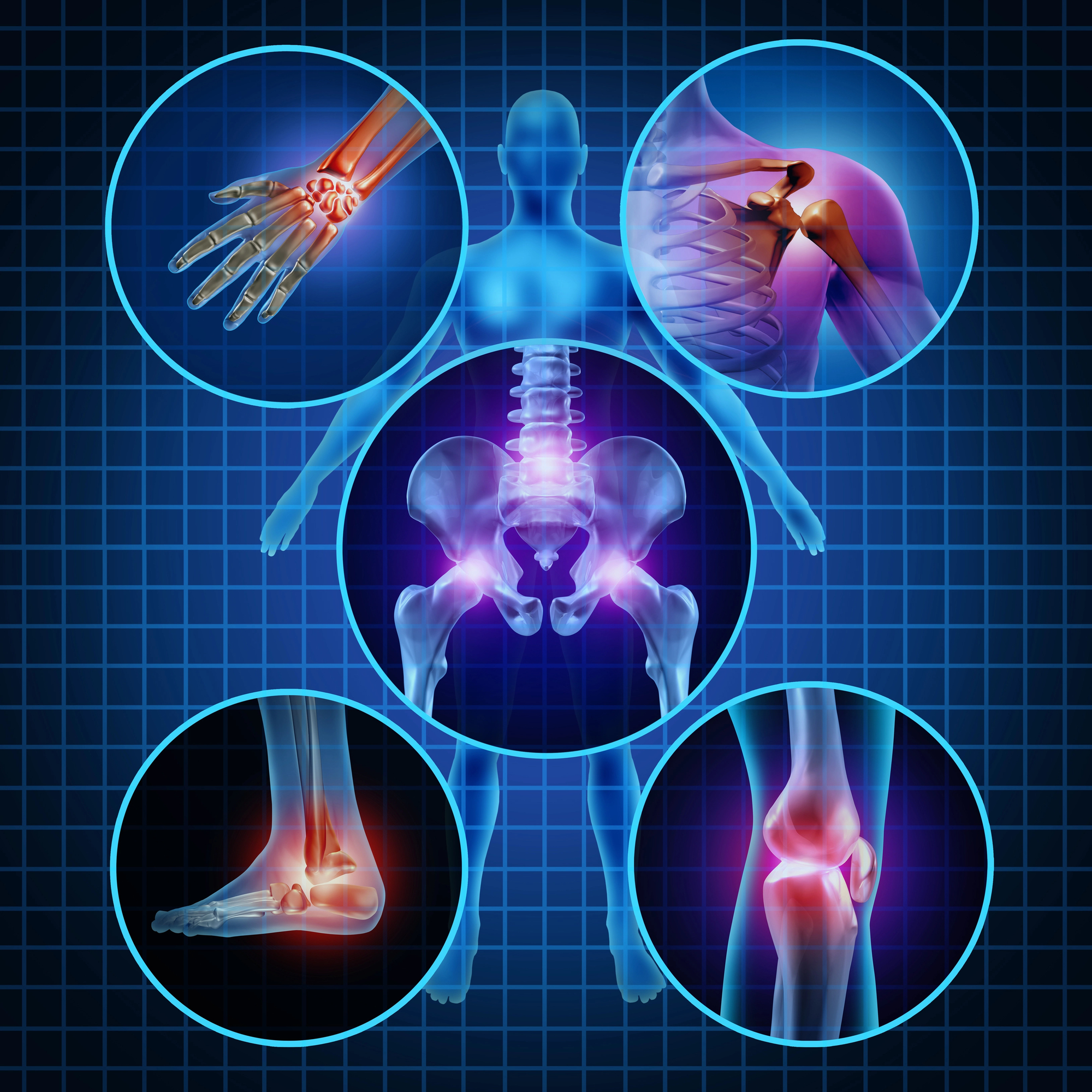
Chronic tendinopathy is a persistent condition involving tendon pain, thickening, and structural degeneration that often resists traditional management. Whether affecting the Achilles tendon or the elbow (tennis elbow), these injuries present significant orthopedic challenges for patients seeking alternatives to surgery or corticosteroids.
Regenerative medicine and cell-based treatments have emerged as key areas of investigation, shifting the focus from masking inflammation to promoting biological repair. By addressing the cellular "stuck point" that prevents natural healing, these evolving therapies aim to restart the body’s internal repair mechanisms and restore functional integrity to damaged tissue.
The Biology of Chronic Tendinopathy
To understand how cell-based treatments might facilitate recovery, one must first recognize why tendons struggle to heal in the first place. Tendons are composed primarily of collagen fibers, which are maintained by cells called tenocytes. In an acute injury, the body initiates a predictable inflammatory cascade that leads to tissue repair.
In chronic tendinopathy, however, this process is interrupted. Instead of proper healing, the tendon undergoes a process called "angiofibroblastic hyperplasia." This means the tissue is characterized by disorganized collagen, the ingrowth of unwanted blood vessels, and an increase in neurovascular structures, all of which contribute to chronic pain and reduced functional capacity.
Because tendons have relatively low blood flow compared to muscle or bone, their natural capacity for regeneration is limited. This "hypovascular" environment is exactly where researchers believe cell-based therapies may offer a unique advantage.
Understanding Cell-Based and Regenerative Approaches
Regenerative medicine focuses on harnessing the body’s innate ability to repair damaged tissue. When researchers discuss cell-based treatments for tendinopathy, they are typically referring to therapies that introduce signaling factors or progenitor cells into the degenerated area to restart the healing process.
Platelet-Rich Plasma (PRP)
While not a "stem cell" treatment in the traditional sense, PRP is a foundational cell-based therapy. It involves concentrating the patient’s own platelets, which are rich in growth factors. When injected into a damaged tendon, these growth factors are released, theoretically stimulating tenocytes to produce new, organized collagen.
Mesenchymal Stem Cells (MSCs)
Research has shown potential benefits of stem cell therapy for tissue repair through the use of MSCs. These cells can be derived from various sources, such as bone marrow or adipose (fat) tissue. Unlike mature tissue cells, MSCs have the capacity to differentiate into various cell types and, perhaps more importantly, release bioactive molecules, a process known as the "paracrine effect" that modulates inflammation and promotes tissue remodeling.
Chronic Achilles Tendinopathy: A High-Stakes Repair
The Achilles tendon is the largest and strongest tendon in the human body, but it is also the most frequently injured. Chronic Achilles tendinopathy often forces athletes and active individuals to stop their activities for months or years. Traditional approaches include eccentric loading exercises, shockwave therapy, and, in severe cases, surgical debridement of the damaged tissue.
Current clinical research into cell-based treatments for the Achilles seeks to provide a middle ground between physical therapy and surgery. Studies have explored whether injecting concentrated regenerative cells into the mid-substance of the tendon can reduce pain scores and improve structural integrity as measured by ultrasound or MRI.
The thesis is that by introducing high concentrations of growth factors and progenitor cells, the local environment shifts from a degenerative state to a proliferative one.
Addressing Lateral Epicondylitis (Tennis Elbow)
Lateral epicondylitis involves the degeneration of the common extensor tendon at the elbow. Unlike the Achilles, which bears the weight of the entire body, the elbow tendon is subjected to repetitive micro-trauma from gripping and twisting motions. Chronic elbow tendinopathy is particularly frustrating because it rarely resolves completely with rest alone.
Research in this area has often compared cell-based injections to more invasive procedures or traditional corticosteroid injections. While corticosteroids may provide immediate, short-term pain relief, evidence suggests they may actually weaken the tendon structure over time.
In contrast, cell-based approaches aim to stimulate genuine tissue repair. Some investigators suggest that the localized, controlled nature of elbow tendinopathy makes it an ideal candidate for cell-based interventions, as the target area is relatively easy to isolate and treat.
The Potential Benefits of Regenerative Modulation
Why are researchers so focused on these cellular approaches? The primary benefit is the modulation of the microenvironment. Chronic tendinopathy is rarely just a "tear"; it is a localized failure of the tendon to maintain homeostasis.
- Inflammatory Control: Cell-based therapies can help dampen the chronic, low-grade inflammatory signals that prevent healing.
- Collagen Organization: By signaling tenocytes to behave more efficiently, these treatments may encourage the deposition of Type I collagen (strong, aligned) rather than Type III collagen (weak, disorganized).
- Matrix Rejuvenation: The extracellular matrix (the "scaffolding" of the tendon) is often degraded in chronic cases. Regenerative treatments aim to provide the chemical signals necessary to build new scaffolding.
Clinical Reality vs. Expectation
While laboratory and small-scale clinical studies show promise, cell-based treatments are not a guaranteed solution. Clinical outcomes can be influenced by variables such as the patient's age, the duration of the tendinopathy, the technique used for injection, and the post-procedure rehabilitation protocol.
Furthermore, standardization remains a hurdle. Not all cell preparations are identical; the number of viable cells, the concentration of growth factors, and the source of the cells can vary significantly between different research protocols. This makes it challenging to generalize results from one study to another.
Patients considering these options should work with qualified healthcare professionals to assess the specific nature of their injury and review the latest peer-reviewed evidence.
The Role of a Solid Wellness Strategy
Within any comprehensive strategy for managing chronic tendinopathy, the biological intervention is only one piece of the puzzle. A regenerative approach is most effective when it is combined with functional practices:
- Mechanical Loading: Even with cell-based treatments, the tendon must be challenged appropriately. Progressive, controlled loading (such as specific physical therapy exercises) provides the physical stimuli needed for the new tissue to orient itself correctly.
- Nutritional Support: The body requires specific raw materials to synthesize collagen, including Vitamin C, proline, glycine, and lysine. A diet that minimizes systemic inflammation supports the overall healing process.
- Metabolic Health: Systemic factors such as blood sugar control and hormonal balance can affect how well the body repairs connective tissue. Managing these areas is a central part of any wellness-inspired recovery plan.
- Rest and Recovery: Overtraining or failing to allow for systemic recovery can sabotage even the most advanced cell-based therapy.
Book a Consultation with Cellebration Wellness in Puerto Rico
While traditional treatments have long been the standard, cell-based and regenerative approaches offer a compelling alternative by focusing on the biological root of the problem. By supporting the body's own ability to modulate inflammation and organize tissue, these advancements provide a promising horizon for individuals struggling with persistent tendon pain.
At Cellebration Wellness, we focus on wellness and regenerative approaches inspired by the latest advances in stem cell research.
If you or a loved one is exploring innovative options beyond traditional treatments, we are here to provide guidance. Contact Cellebration Wellness today at (858) 258-5090 to schedule your free consultation to learn more.