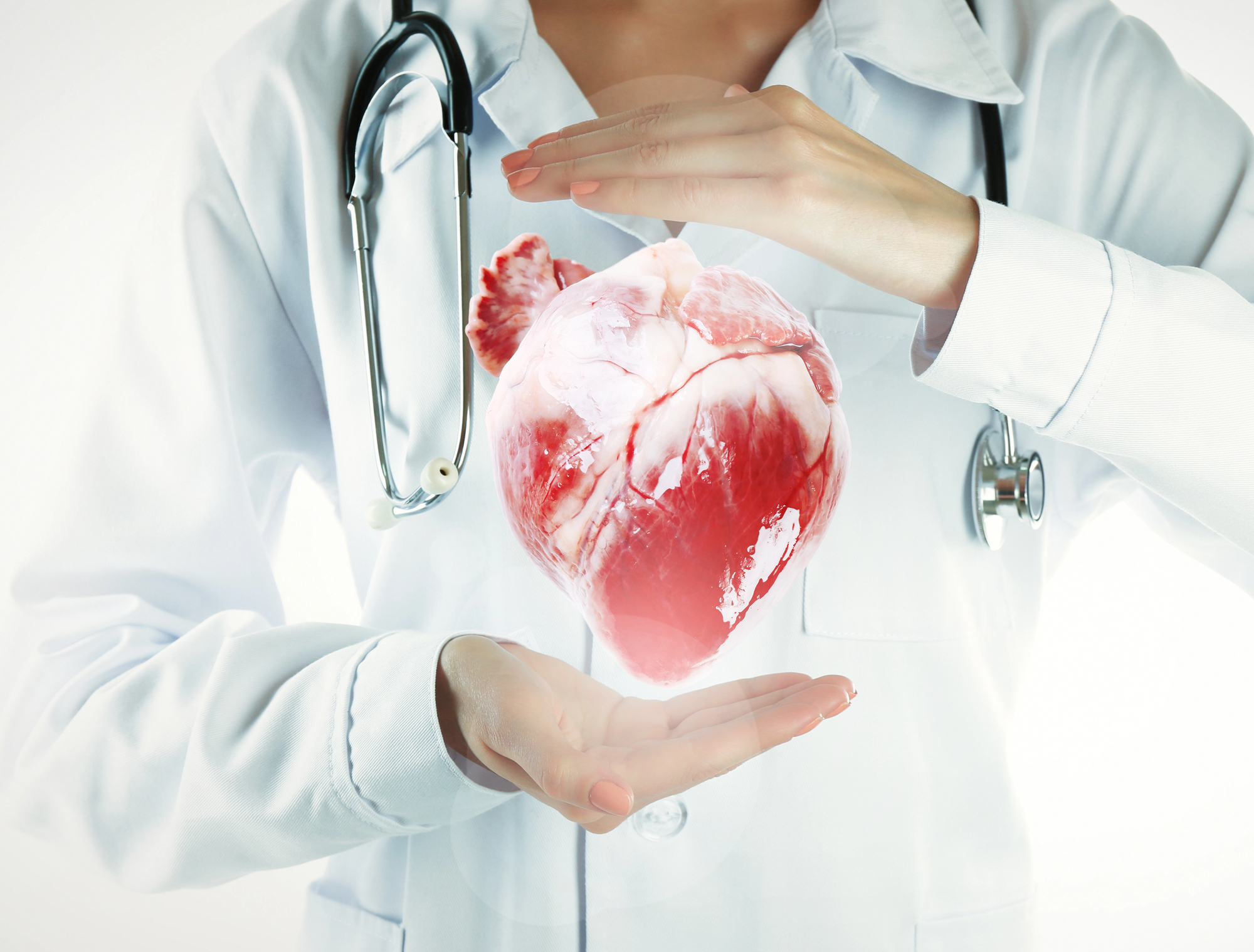
Heart failure is a chronic and progressive condition that affects millions of people worldwide. It develops when the heart is no longer able to pump blood efficiently enough to meet the body’s needs. Patients experience fatigue, shortness of breath, leg swelling, and difficulty performing everyday activities.
While medications and advanced cardiac devices have improved outcomes, many patients continue to live with significant limitations.
In recent years, stem cell therapy for heart failure has gained attention as a regenerative approach that may help repair damaged heart tissue. But can stem cell therapy actually improve heart function or survival rates? Here, we review what current research shows, how the treatment works, and what patients should realistically expect.
What Is Heart Failure and Why Is It So Serious?
Heart failure does not mean the heart has stopped working. It means that the heart muscle has become too weak or too stiff to pump blood effectively. This can happen after a heart attack, due to long-term high blood pressure, coronary artery disease, or cardiomyopathy.
There are two primary forms of heart failure. In heart failure with reduced ejection fraction (HFrEF), the heart muscle becomes weak and cannot contract properly. In heart failure with preserved ejection fraction (HFpEF), the heart becomes stiff and cannot relax enough to fill with blood.
Both forms can significantly affect quality of life and increase the risk of hospitalization and mortality.
Traditional treatments such as beta-blockers, ACE inhibitors, diuretics, and implantable devices help manage symptoms and slow progression. However, they do not regenerate damaged heart muscle. That limitation has led researchers to explore regenerative medicine approaches such as stem cell therapy.
How Stem Cell Therapy Works for Heart Failure
Stem cells are unique because they can develop into different cell types and release powerful healing signals within the body. In heart failure treatment, stem cells are typically collected from bone marrow or fat tissue. After processing, they are delivered into the bloodstream or directly into the heart muscle through a minimally invasive procedure.
Rather than simply replacing damaged heart cells, stem cells primarily work by releasing growth factors and signaling molecules. These substances may reduce inflammation, stimulate the formation of new blood vessels, protect existing heart cells from further damage, and limit scar tissue formation after a heart attack.
This regenerative process is closely associated with myocardial tissue regeneration, which focuses on restoring damaged heart muscle and improving cardiac performance over time. By improving the environment within the heart, stem cells may support better function and potentially slow disease progression.
Who May Be a Good Candidate for Stem Cell Therapy?
Stem cell therapy may be most beneficial for people with heart failure caused by previous heart attacks, especially those with reduced ejection fraction. Patients who continue to experience symptoms despite optimal medical therapy may also consider regenerative treatment options.
Age alone does not automatically disqualify someone, but overall health status plays a significant role. Patients with advanced end-stage heart failure, active infections, or severe uncontrolled medical conditions may not be ideal candidates.
A comprehensive medical evaluation is necessary to determine whether stem cell therapy is appropriate. Imaging tests such as echocardiograms or cardiac MRI scans help physicians assess the extent of heart muscle damage and guide treatment decisions.
Can Stem Cell Therapy Improve Heart Function?
One of the most studied outcomes in heart failure research is improvement in ejection fraction, a measurement of how much blood the heart pumps with each beat. Some clinical studies have shown modest increases in ejection fraction following stem cell therapy, particularly in patients who experienced heart failure after a previous heart attack.
In addition to measurable changes in heart-pumping ability, many patients report improvements in symptoms. These may include reduced shortness of breath, increased exercise tolerance, and improved stamina during daily activities. Some studies also show improvements in quality-of-life scores and reduced fatigue.
However, it is important to understand that results vary. Not every patient experiences dramatic changes, and in some cases, improvements may be moderate rather than transformative. Stem cell therapy should be viewed as a supportive regenerative option rather than a guaranteed cure.
Can Stem Cell Therapy Improve Survival Rates?
Another key question is whether stem cell therapy improves survival in patients with heart failure. Research in this area is still evolving. Some long-term clinical trials suggest that stem cell therapy may reduce hospital readmissions for heart failure exacerbations. These have also indicated a possible reduction in mortality in carefully selected patient populations.
That said, large-scale studies are still ongoing. At this time, stem cell therapy is considered an emerging or investigational treatment for heart failure rather than a standard therapy universally recommended in cardiology guidelines.
Most experts agree that stem cell therapy works best when combined with traditional heart failure treatments rather than replacing them. Medications, lifestyle modifications, and cardiac monitoring remain basic and important components of care.
Risks and Limitations of Stem Cell Therapy
Stem cell therapy is generally considered minimally invasive and safe when performed by experienced professionals. Because many treatments use the patient’s own cells, the risk of rejection is low.
However, no medical procedure is without risk. Possible side effects may include mild soreness at the cell collection site, temporary fatigue, swelling, or rare complications such as infection or irregular heart rhythms. Serious adverse events are uncommon but should be discussed during consultation.
Another limitation is that insurance coverage for stem cell therapy remains limited, as it is often categorized as experimental. You should carefully review costs and expectations before moving forward with this kind of treatment.
What To Expect During the Treatment Process
You may be wondering how a stem cell therapy session works. The process begins with a detailed consultation to review medical history, imaging results, and current medications. If the patient is considered a good candidate, stem cells are collected from bone marrow or fat tissue in a controlled clinical setting.
After processing and concentration, the stem cells are administered through a catheter-based injection into the heart or through intravenous infusion. Most procedures are completed within a single day, and patients typically return home shortly afterward.
Improvements usually develop gradually over several weeks or months. The regenerative effects are not immediate because stem cells work by stimulating healing processes within the heart muscle.
Frequently Asked Questions About Stem Cell Therapy for Heart Failure
- Is stem cell therapy approved for heart failure? In many settings, stem cell therapy for heart failure is still considered investigational. Ongoing clinical trials continue to evaluate safety and effectiveness.
- How long do the benefits last? Results vary by patient. Some experience lasting improvements, while others may require additional treatments.
- Can stem cell therapy replace heart medications? No. Stem cell therapy is typically used in combination with standard heart failure treatments, not as a replacement.
- Is the procedure painful? Most patients experience only mild discomfort during the cell collection process and minimal pain afterward.
- How soon will I notice improvements? Some patients report symptom improvement within weeks, while others notice gradual changes over several months.
Learn More with Cellebration Wellness
At Cellebration Wellness, we focus on wellness and regenerative approaches inspired by the latest advances in stem cell research. Our experienced team is trained in stem cell therapies designed to support heart function, promote myocardial tissue regeneration, and improve the quality of life for people living with heart failure.
If you or a loved one is exploring innovative options beyond traditional treatment, we are here to provide guidance and a personalized evaluation. Contact Cellebration Wellness today at (858) 258-5090 to schedule your free consultation and learn more about stem cell therapy for heart failure.