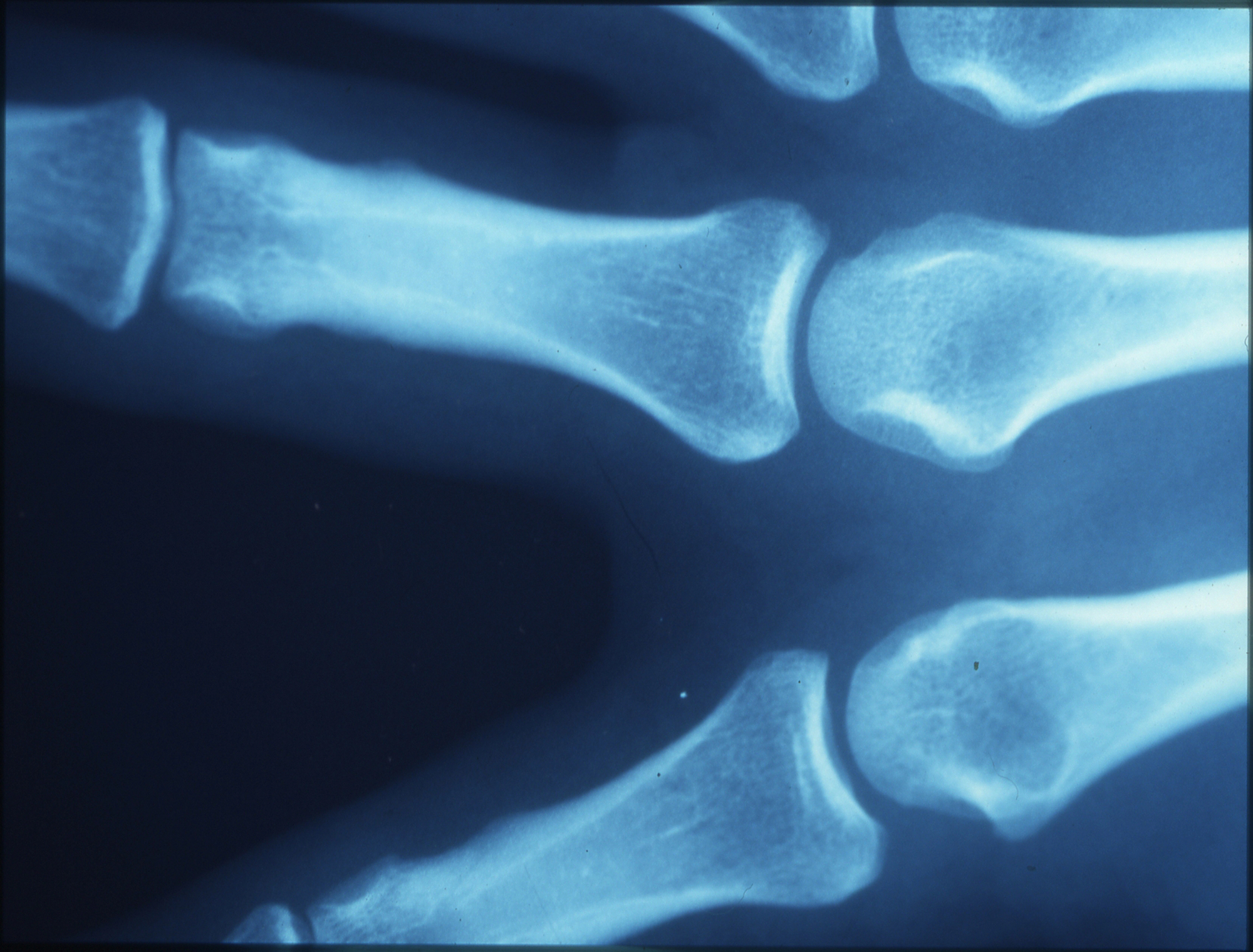
Chronic joint pain is a common condition that can interfere with mobility, daily activities, and overall quality of life. Unlike acute injuries, long-term joint discomfort often develops gradually and reflects ongoing changes within joint tissues rather than a single triggering event. As research into regenerative medicine continues to expand, stem cell science has become an area of interest in understanding how inflammation and tissue health may influence chronic joint pain.
This overview examines what chronic joint pain is, why stem cells are being studied, and what current research suggests about their potential role in joint health.
What Is Chronic Joint Pain?
Chronic joint pain generally refers to persistent pain, stiffness, or reduced joint function lasting several months or longer. It is often the result of cumulative stress on the joint, combined with biological changes that affect how tissues respond to movement and load.
One of the most common contributors to long-term joint discomfort is osteoarthritis, a degenerative joint condition characterized by gradual cartilage breakdown and changes in the surrounding joint environment. As cartilage thins and joint mechanics shift, everyday activities may become increasingly uncomfortable.
Rather than being driven by structural changes alone, chronic joint pain often involves inflammatory and cellular processes that evolve.
Why Is Inflammation So Important in Chronic Joint Pain?
Inflammation plays a central role in how joint pain develops and persists. While short-term inflammation is part of the body’s natural healing response, chronic inflammation can contribute to ongoing tissue irritation, cartilage wear, and heightened pain sensitivity.
In joints, prolonged inflammatory signaling may alter joint fluid composition, impair normal tissue repair, and accelerate degenerative changes. Because of this, many modern approaches to joint health focus on addressing inflammation rather than solely masking pain symptoms.
Why Are Stem Cells Being Studied in Joint Research?
Stem cell research has drawn attention because of its focus on how cells communicate and regulate immune responses. In musculoskeletal research, much of the interest centers on mesenchymal stem cells (MSCs), which are studied for their ability to interact with immune cells and influence the local tissue environment.
Rather than functioning as direct replacements for damaged cartilage or bone, stem cells are being studied for how they release signaling molecules that may help regulate inflammation and support tissue balance within the joint.
How Might Stem Cells Influence the Joint Environment?
Research suggests that stem cells may affect joint health primarily through paracrine signaling, meaning they communicate with surrounding cells rather than transforming into new tissue themselves. These signals may influence how immune cells behave and how joint tissues respond to stress or injury.
By helping regulate excessive inflammatory activity, stem cell–related mechanisms may contribute to a more stable joint environment, which is an important factor in chronic pain management.
What Does Current Research Say About Outcomes?
Stem cell research is still evolving, and there is no single standardized protocol. Differences in study design and cell preparation methods. Long-term data are still being collected, and regulatory standards vary by region.
Research on stem cell–based approaches for joint pain shows variable results. Some studies report improvements in pain and function, particularly in individuals with mild to moderate joint degeneration. Outcomes tend to depend on factors such as the extent of joint damage, overall health, and individual biological response.
Importantly, current evidence does not suggest that stem cell research offers a cure for chronic joint pain or reverses advanced structural damage. Instead, it is being explored as a potential supportive approach within a broader care plan.
How Does Overall Health Affect Chronic Joint Pain?
Joint health is closely linked to overall health. Factors such as body weight, metabolic function, activity level, and systemic inflammation all influence how joints tolerate stress and recover over time. Individuals with earlier-stage joint changes and lower inflammatory burden may respond differently from those with more advanced degeneration.
For this reason, personalized evaluation is essential when exploring options related to chronic joint pain.
How Does Stem Cell Research Fit Into Long-Term Joint Care?
Rather than replacing conventional treatments, stem cell research is increasingly viewed as a complementary area of study. It may be considered alongside physical therapy, movement modification, lifestyle changes, and other established approaches to joint health.
As research continues to develop, regenerative science may help refine how chronic joint conditions are managed over time.
Frequently Asked Questions
- Can stem cells cure chronic joint pain?
No. Current research does not support stem cells as a cure for chronic joint pain. Stem cell–related mechanisms may contribute to a more stable joint environment. - Are stem cell–based approaches a replacement for surgery?
No. Surgical intervention remains necessary for advanced structural joint damage. - How long does it take to see results in studies?
When benefits are reported, they typically develop gradually over weeks or months rather than immediately. - Are stem cell approaches considered safe?
Studies generally report favorable safety profiles when conducted under proper medical and regulatory oversight. - Who may be a better candidate for stem cell–based approaches?
Research suggests that individuals with early to moderate joint changes and manageable inflammation may respond differently from those with advanced degeneration. Careful patient selection is essential. - Do stem cells regenerate cartilage or joint tissue?
Current evidence indicates that stem cells primarily influence cellular signaling and inflammation rather than directly regenerating cartilage or bone. - Is stem cell research still evolving?
Yes. Stem cell research is an active and developing field, with ongoing studies aimed at better understanding effectiveness, safety, and appropriate clinical use.
Contact Cellebration Wellness Today
Chronic joint pain is influenced by a complex interaction of mechanical stress, inflammation, and cellular health. Ongoing stem cell research continues to explore how these processes may be better understood and supported within comprehensive care strategies.
At Cellebration Wellness, we focus on education and wellness approaches grounded in current research and responsible care planning. Contact us today at 858-258-5090 to learn more about stem cell therapy and how it may relate to your individual health goals.