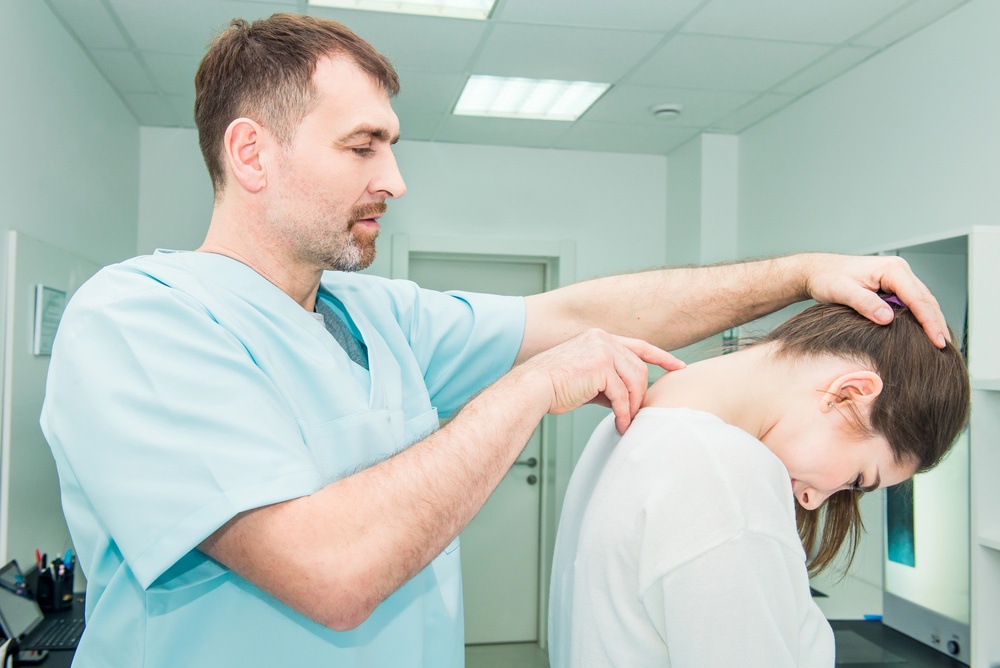
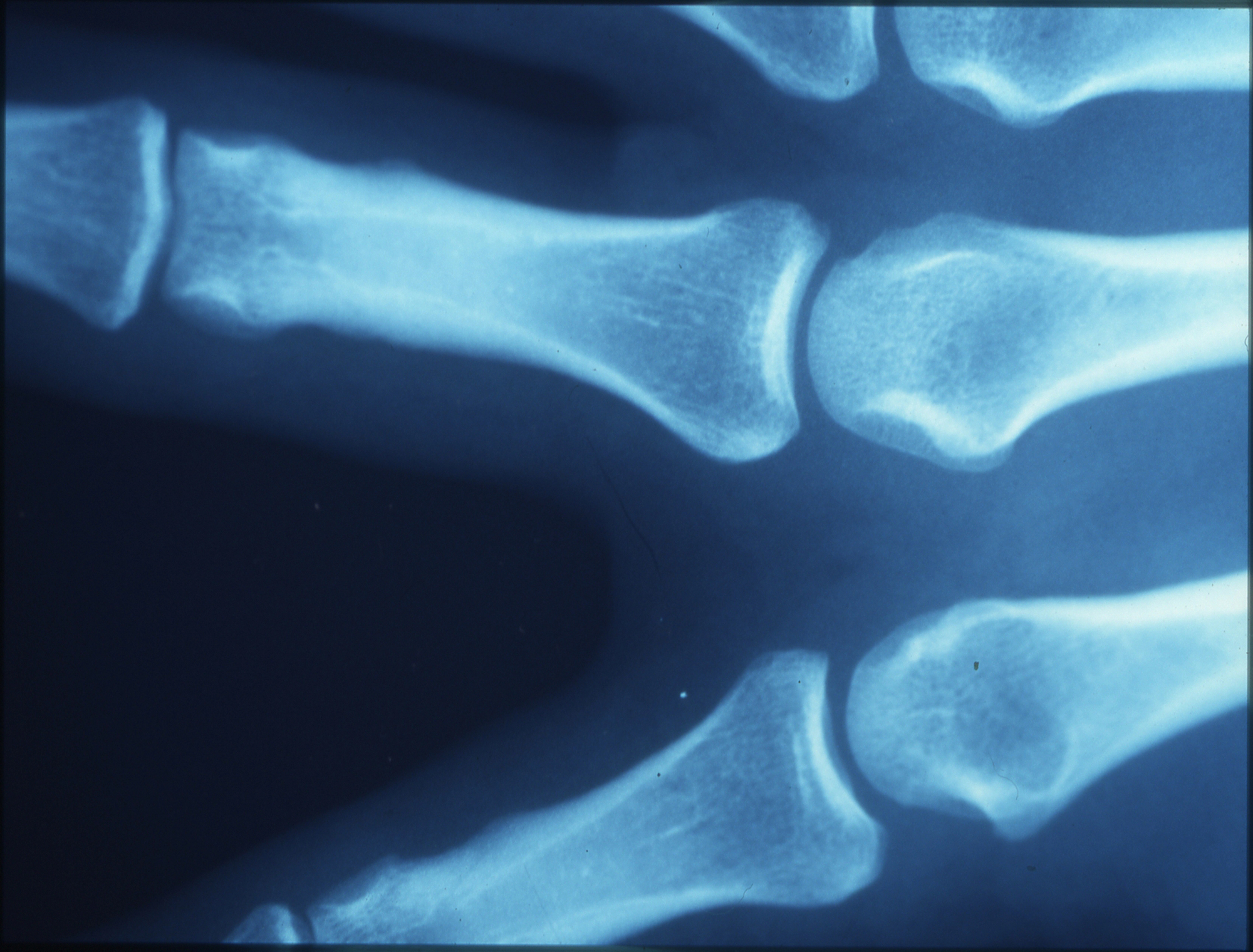
Degenerative cervical disc disease is a common condition that affects the discs in the neck, also known as the cervical spine. Over time, these discs can wear down, leading to discomfort, stiffness, and reduced mobility. While traditional treatments focus on managing symptoms, researchers are increasingly studying regenerative medicine approaches to better understand how the body’s natural repair processes might be supported.
This article explores the condition, its causes, and what current research says about regenerative treatment options.
What Is Degenerative Cervical Disc Disease?
Degenerative cervical disc disease occurs when the discs between the vertebrae in the neck begin to break down. These discs normally act as cushions, allowing the spine to move smoothly while absorbing shock from daily activities.
As people age, these discs gradually lose water content and elasticity. This process can cause them to shrink, stiffen, or develop small tears. When this happens, nearby nerves may become irritated or compressed, leading to symptoms.
Many individuals experience chronic neck pain, stiffness, or discomfort that can radiate into the shoulders and arms. In some cases, tingling or numbness may develop in the hands. Although this condition is often associated with aging, the severity of symptoms can vary widely from person to person.
What Causes Cervical Disc Degeneration?
The most common cause of cervical disc degeneration is the natural aging process. Over time, spinal discs lose their flexibility and ability to absorb shock effectively. However, aging is not the only contributing factor.
Daily habits such as poor posture, especially from prolonged sitting or screen use, can place additional stress on the cervical spine. Previous injuries, including trauma or repetitive strain, may also accelerate degeneration. In some cases, genetics can influence how quickly disc changes occur.
In more advanced cases, degeneration of the cervical spine may affect adjacent nerves and surrounding structures. For individuals interested in understanding how spinal damage can impact overall function, learning more about spinal cord injury can provide additional context on how the spine and nervous system are connected.
What Are Regenerative Treatment Options?
Regenerative medicine is an area of research focused on supporting the body’s ability to repair damaged tissues. Instead of only addressing symptoms, these approaches aim to better understand how healing processes at the cellular level might be enhanced.
Researchers are currently studying several approaches, including stem cells, platelet-rich plasma (PRP), and growth factor-based therapies. These are being explored for their potential to influence inflammation and support tissue repair.
Interest in regenerative medicine extends beyond spinal conditions, with ongoing research exploring how these approaches may be applied to a variety of chronic and inflammatory conditions.
While these approaches are promising, they remain under investigation and are not considered standard care.
How Is Stem Cell Therapy Being Studied for Cervical Disc Disease?
Stem cells are a key focus in regenerative medicine because of their ability to develop into different types of cells and release signaling molecules that may influence healing.
Researchers are studying whether stem cells could help support the repair of damaged spinal discs. This includes exploring their potential to reduce inflammation and improve the cellular environment within the disc.
Mesenchymal stem cells are frequently used in research due to their regenerative and anti-inflammatory properties. These cells are being studied across a wide range of conditions, particularly those involving inflammation and immune system activity.
Although early findings are encouraging, more research is needed to determine long-term outcomes and effectiveness.
Can Regenerative Treatments Help Reduce Neck Pain?
One of the main goals of regenerative medicine research is to determine whether these approaches can help reduce neck pain caused by cervical disc degeneration.
Some studies suggest that regenerative therapies may influence inflammation and support tissue repair, which could contribute to improved comfort, mobility, and overall neck function. However, results can vary depending on the individual and the severity of the condition.
Chronic neck pain may also be influenced by broader health factors, including metabolic or systemic conditions, as inflammation and tissue health are closely connected throughout the body. Because of these complexities, regenerative treatments for neck pain are still being studied and are not considered a guaranteed solution.
What Does Current Research Say About Effectiveness?
Research into regenerative therapies for spinal conditions, including cervical disc degeneration, is still developing. Some smaller studies have shown improvements in pain relief, mobility, and overall spinal function, along with signs of biological activity within treated tissues.
At the same time, results are not yet consistent across larger populations. Differences in treatment methods, patient conditions, and the severity of disc damage make it difficult to draw firm conclusions.
Regenerative medicine research is also expanding into other areas of the body, particularly in conditions involving inflammation, tissue damage, and chronic disease, highlighting its broader potential in healthcare.
Larger and longer-term clinical trials are needed to better understand the effectiveness, safety, and future role of regenerative therapies for spinal conditions.
What Are the Safety Considerations?
Safety is an important part of all medical research. Most studies involving regenerative therapies have reported mild and temporary side effects when conducted in controlled settings.
These may include short-term discomfort or soreness. Serious complications have not been widely reported in early research, but long-term safety continues to be evaluated.
Because regenerative medicine involves complex biological processes, ongoing research is essential to fully understand both risks and potential benefits.
FAQs
- Is stem cell therapy approved for cervical disc disease?
Most stem cell therapies for this condition are still experimental and are being studied in clinical trials. While early findings are promising, regulatory approval has not yet been established for widespread clinical use. Researchers continue to evaluate how these therapies perform in controlled environments. - Can regenerative treatments restore damaged discs?
Some research suggests potential for supporting tissue health and slowing degeneration, but full restoration of damaged cervical discs has not been confirmed. Current studies are focused on understanding how these treatments may influence disc structure and function over time. - Are these treatments widely available?
Availability varies depending on location and provider. Many regenerative approaches are still offered primarily in research or specialized settings rather than as standard medical care. - Do these therapies replace traditional treatments?
They are being studied as complements, not replacements, for conventional treatments such as physical therapy, medications, and lifestyle modifications that help manage neck pain and improve mobility. - Why is more research needed?
Larger, long-term clinical studies are necessary to confirm effectiveness, ensure safety, and determine which patients may benefit most from regenerative treatments for cervical disc disease.
Want to Learn More About Regenerative Medicine and Spine Health?
Scientific research into regenerative medicine continues to expand, offering new insights into conditions like degenerative cervical disc disease. As studies progress, researchers are learning more about how cellular therapies may influence inflammation, tissue repair, and overall function.
Cellebration Wellness focuses on wellness and regenerative approaches inspired by the latest advances in stem cell research. Educational resources can help individuals better understand current developments and the science behind emerging therapies.
To learn more about regenerative health education and current developments in this field, contact Cellebration Wellness at (858) 258-5090.