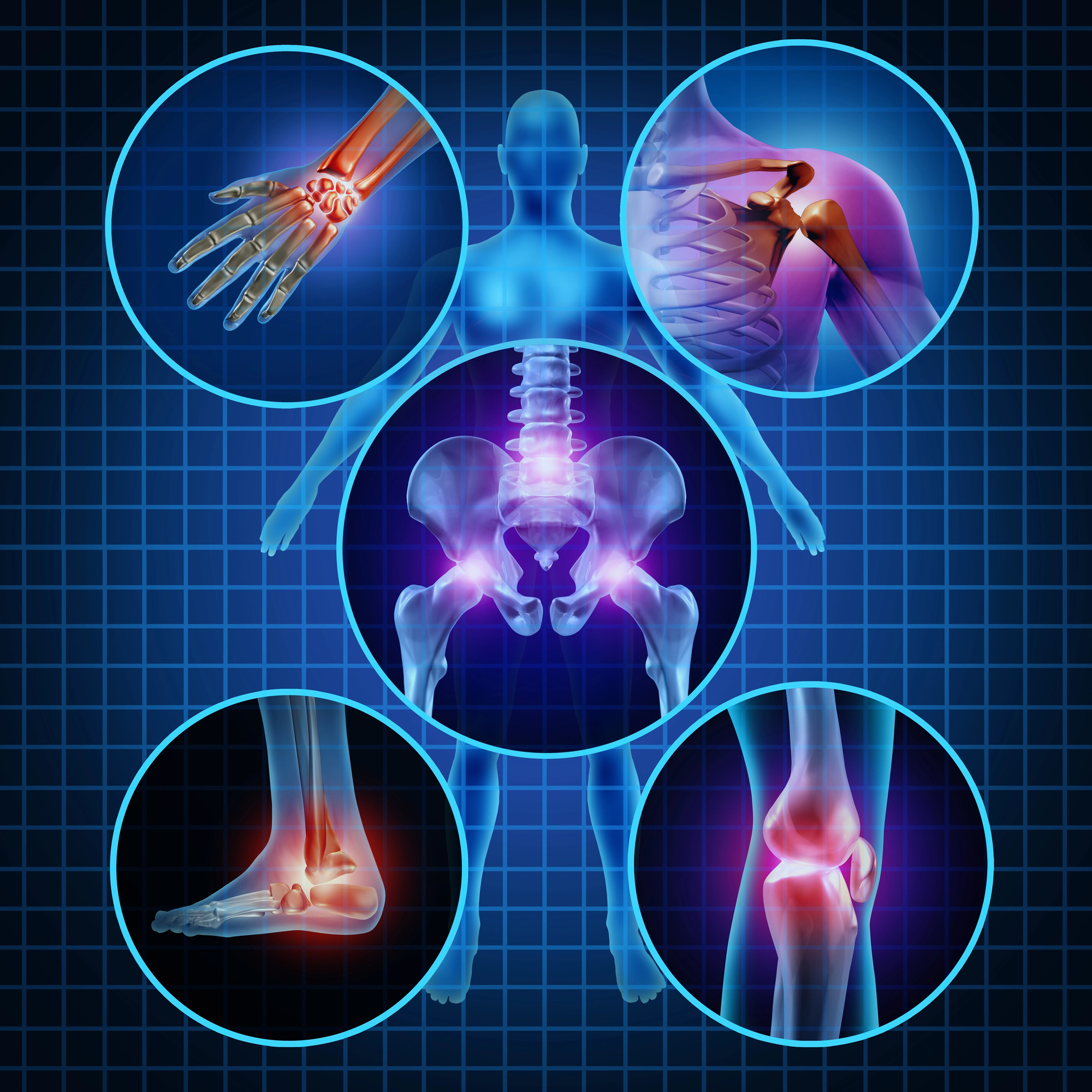
Cartilage injuries and degenerative joint conditions remain some of the most difficult problems to treat in modern medicine, largely because the body has a limited ability to repair this essential tissue on its own. As a result, researchers have increasingly turned to regenerative medicine, and specifically stem cell therapy, as a promising solution that focuses on restoring function at the cellular level.
Recent advances are pushing this field even further, with new insights into how factors like iron metabolism influence stem cell performance and cartilage regeneration.
Combined with emerging technologies that enable real-time cellular monitoring, these developments are helping refine stem cell therapies into more precise, reliable, and effective treatments for cartilage repair.
Why Is Cartilage Regeneration So Difficult?
Cartilage regeneration is avascular, meaning it lacks a direct blood supply necessary for natural healing. Without blood vessels, cartilage tissue does not receive sufficient oxygen, nutrients, or immune support, making self-repair extremely limited. This biological limitation is why cartilage injuries often worsen over time and lead to chronic joint conditions.
Stem cell-based cartilage regeneration addresses this issue by supplying new cells capable of producing extracellular matrix components essential for cartilage structure and function, but optimizing this process requires precise control of the cellular microenvironment.
What Makes Mesenchymal Stem Cells Essential for Cartilage Repair?
Mesenchymal stem cells (MSCs) are key for cartilage repair since they can differentiate into chondrocytes and promote tissue regeneration. These adult stem cells, typically sourced from bone marrow or adipose tissue, are widely used in regenerative medicine due to their versatility and immunomodulatory properties.
In cartilage tissue engineering, MSCs not only generate new cartilage but also secrete growth factors and cytokines that support healing and reduce inflammation. This makes them a cornerstone of stem cell therapy for joint repair and cartilage regeneration strategies.
How Do Iron Levels Affect Stem Cell Function in Cartilage Regeneration?
Iron levels affect stem cell function in cartilage regeneration by influencing cellular metabolism, oxidative stress, and differentiation pathways. Proper intracellular iron balance is critical for stem cell viability and their ability to become cartilage-forming cells.
Both iron deficiency and iron overload can disrupt chondrogenesis, the process by which stem cells develop into chondrocytes.
Excess iron may increase oxidative stress and damage cellular structures, while insufficient iron can impair energy production and enzymatic activity.
Maintaining optimal iron levels is therefore a key factor in improving stem cell therapy outcomes for cartilage repair.
Why Is Rapid Iron Measurement Important in Stem Cell Therapy?
Rapid iron measurement enables real-time monitoring of cellular health and readiness for cartilage regeneration. Traditional iron measurement techniques are often slow and impractical for clinical workflows, limiting their usefulness in dynamic therapeutic settings.
New rapid diagnostic tools allow researchers and clinicians to quickly assess intracellular iron levels in stem cells, ensuring they are in an optimal state before transplantation.
This advancement enhances quality control in stem cell manufacturing and supports more consistent regenerative medicine outcomes.
How Real-Time Monitoring Improves Stem Cell-Based Cartilage Repair
Real-time monitoring allows immediate adjustments to optimize cell performance and therapeutic effectiveness. By continuously tracking factors such as iron concentration, metabolic activity, and cellular differentiation, clinicians can fine-tune treatment conditions to support successful cartilage formation.
This level of precision reduces variability in outcomes and increases the reliability of stem cell therapies. In the context of personalized medicine, real-time monitoring also enables treatments to be tailored to individual patient biology, improving success rates in cartilage regeneration procedures.
What Technologies Are Advancing Stem Cell Research?
Advanced technologies are driving stem cell research forward by enabling faster, more accurate analysis of cellular properties critical for regenerative medicine. Innovations such as biosensors, microfluidic systems, and rapid biochemical assays are making it possible to measure intracellular markers like iron levels in real time.
These technologies are particularly valuable in stem cell therapy development, where understanding cell behavior before and after transplantation is essential. By improving stem cell characterization and quality assurance, these tools are accelerating the translation of cartilage tissue engineering from laboratory research to clinical application.
How These Innovations Impact Clinical Outcomes in Cartilage Repair
These innovations improve the consistency, safety, and effectiveness of stem cell-based treatments. One of the biggest challenges in regenerative medicine has been variability in stem cell quality and patient response. With better monitoring tools and optimized cell preparation techniques, clinicians can deliver more predictable results in cartilage repair procedures.
This not only enhances patient outcomes but also supports regulatory approval and broader adoption of stem cell therapies in orthopedics and sports medicine.
What Are the Broader Applications of Stem Cell Monitoring Technologies?
Stem cell monitoring technologies extend beyond cartilage repair to other areas of regenerative medicine and tissue engineering. The ability to measure and control factors like iron metabolism, cellular differentiation, and oxidative stress is relevant for regenerating bone, muscle, and neural tissues.
These technologies also have implications for disease modeling, drug development, and personalized medicine. As stem cell research continues to evolve, real-time monitoring tools may play a central role in improving therapeutic precision across multiple medical fields.
What Challenges Remain in Stem Cell-Based Cartilage Regeneration?
Challenges in stem cell-based cartilage regeneration include ensuring long-term durability of repaired tissue and scaling therapies for widespread clinical use. While stem cell therapy shows strong potential, maintaining the structural integrity and function of regenerated cartilage over time remains a key concern.
Additionally, standardizing stem cell production, reducing costs, and meeting regulatory requirements are ongoing challenges.
It is important to note that outcomes can vary depending on factors such as the type of stem cells used, how they are prepared, and how they are administered. In line with this, continued research is necessary to grasp both safety and long-term effects.
Addressing these issues is essential for making regenerative medicine solutions more accessible and reliable for patients with cartilage damage.
What Is the Future of Stem Cell Therapy for Cartilage Repair?
The future of stem cell therapy for cartilage repair lies in precision medicine approaches that integrate advanced diagnostics, real-time monitoring, and optimized cell engineering. As technologies like rapid iron measurement and biosensing continue to improve, stem cell treatments are expected to become more targeted, efficient, and personalized.
Ongoing research in cartilage tissue engineering and regenerative medicine is likely to further enhance the therapeutic potential of stem cells, paving the way for more effective, long-lasting solutions for cartilage injuries and degenerative joint diseases.
Despite these developments, more large-scale, long-term studies are needed to confirm effectiveness and determine how these therapies might be used in the future.
Frequently Asked Questions (FAQ)
1. What types of stem cells are used for cartilage repair?
Mesenchymal stem cells (MSCs) are most commonly used because they can differentiate into cartilage-forming chondrocytes and support tissue regeneration.
2. Why is iron important for stem cell therapy?
Iron levels affect stem cell differentiation and function, influencing their ability to form healthy cartilage tissue.
3. How does real-time monitoring improve treatment outcomes?
It allows clinicians to track cellular health and make immediate adjustments, increasing the reliability and effectiveness of cartilage repair.
4. Are stem cell therapies for cartilage repair widely available?
They are available in specialized clinics and clinical trials, but broader adoption is limited by cost, standardization, and regulatory considerations.
Contact Cellebration Wellness To Learn More on Regenerative Medicine Advances
Scientific research into stem cells continues to expand our understanding of cartilage repair. As studies progress, researchers are learning more about how regenerative medicine may help restore function.
Cellebration Wellness focuses on wellness and regenerative approaches inspired by the latest advances in stem cell research. Educational resources can help you better understand current developments and the science behind emerging therapies.
To learn more about regenerative health education and current developments in stem cell research, contact Cellebration Wellness at (858) 258-5090.