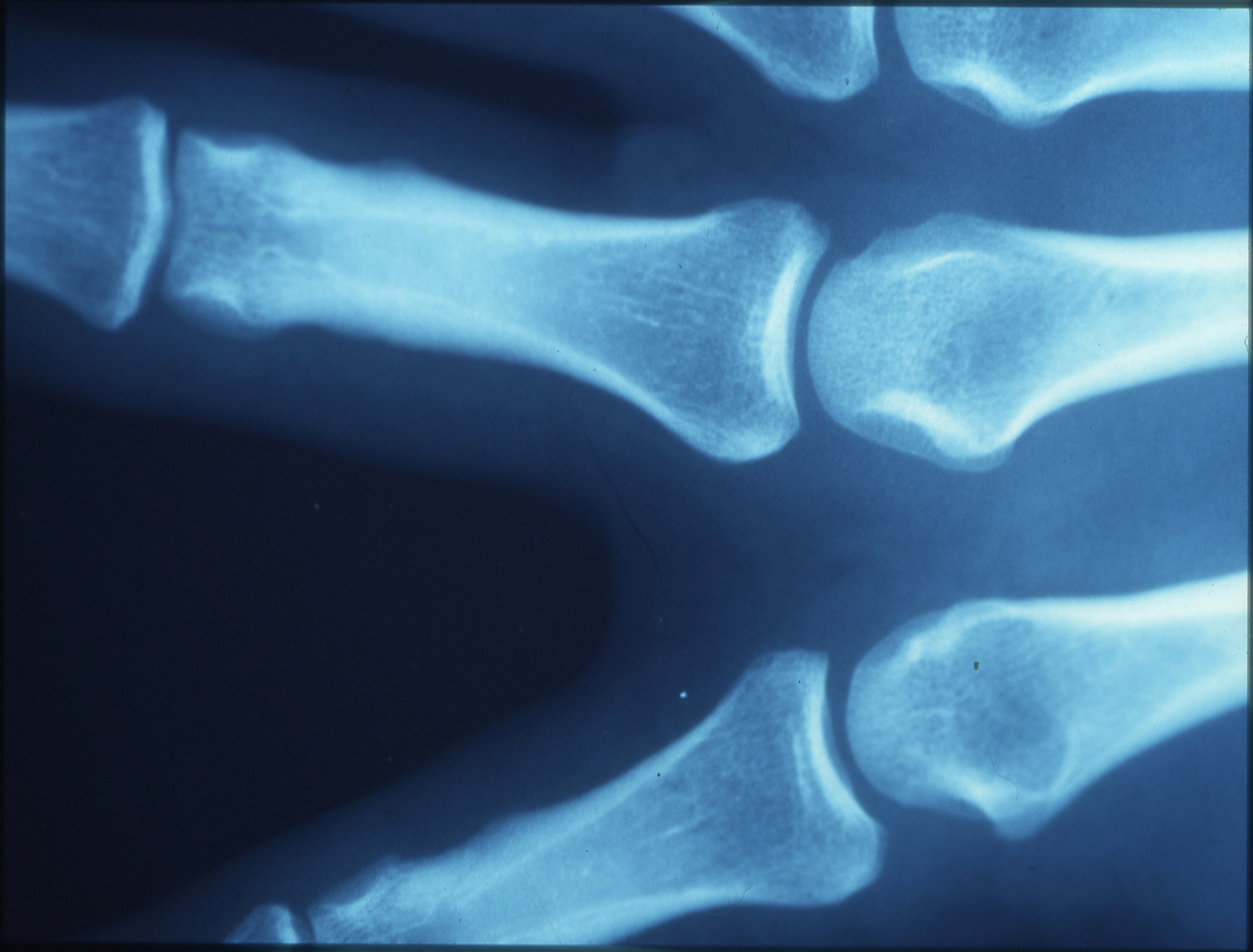
Athletes place continuous stress on their joints through training, competition, and repetitive movement. Over time, this stress can lead to inflammation, cartilage breakdown, and reduced joint function. Because of this, athletes tend to think long-term about joint health, focusing not only on injury recovery but also on strategies that support joint preservation and longevity. In recent years, cell therapy has become an important part of this approach, offering regenerative support alongside traditional training and recovery methods.
Understanding how athletes protect their joints provides insight into how cell-based therapies can play a role in maintaining mobility and performance over time.
Why Do Athletes Focus on Joint Preservation Instead of Waiting for Injury?
Athletes know that joint degeneration often begins long before pain becomes severe. Micro-damage, inflammation, and tissue wear can develop silently and worsen with continued activity. Rather than waiting until symptoms limit performance, many athletes take early action to preserve joint health.
Cell therapy fits into this proactive mindset by supporting the biological environment of the joint before irreversible damage occurs. By addressing inflammation and tissue stress early, athletes aim to maintain joint function and delay more invasive treatments.
How Do Training and Load Management Protect Joint Health?
Training volume and intensity directly affect joint longevity. Athletes use structured programming, cross-training, and rest cycles to avoid overloading the same joints repeatedly. Proper biomechanics and movement efficiency also help reduce unnecessary joint strain.
These strategies are especially important when combined with cell therapy. Regenerative approaches are most effective when joints are not continually exposed to excessive stress, allowing the body to respond more effectively at the cellular level.
What Role Does Cell Therapy Play in Supporting Joint Tissues?
Cell therapy is designed to support the body’s natural repair mechanisms by influencing how cells communicate within damaged or stressed tissues. In joint care, this may involve supporting cartilage health, reducing inflammatory responses, and improving the quality of the joint environment.
Athletes are drawn to cell therapy because it focuses on tissue health rather than temporary symptom control. While outcomes vary, these therapies may help improve joint comfort, mobility, and function when used as part of a comprehensive care plan.
Timing matters in joint preservation. Cell therapy is typically more effective when joint degeneration is mild to moderate and structural damage is limited. Athletes often pursue regenerative options when they begin noticing persistent stiffness, swelling, or reduced performance, not when the joint has already deteriorated significantly.
Early intervention may help slow degenerative changes and support longer athletic participation without the need for surgical intervention.
Recovery plays a fundamental role in how the body responds to cell-based treatments. Adequate sleep, hydration, nutrition, and reduced training load allow cellular processes to function more effectively.
Athletes who follow structured recovery protocols often experience better outcomes because the body has the resources it needs to respond to regenerative support. Cell therapy works best when combined with thoughtful recovery and rehabilitation strategies.
How Do Nutrition and Cell Therapy Work Together to Support Athletic Longevity?
Cellular joint health depends heavily on proper nutrition, especially for athletes placing ongoing stress on their bodies. Diets rich in whole foods, lean proteins, healthy fats, and essential micronutrients help support tissue repair, inflammation regulation, and overall cellular function. These nutrients provide the foundation the body needs to maintain cartilage, connective tissue, and joint integrity over time.
Nutrition also plays an important role in how the body responds to cell therapy. When the body is properly fueled, cellular signaling and tissue maintenance processes function more efficiently, allowing regenerative support to work in a more favorable biological environment. For this reason, many athletes pair cell-based therapies with nutrition strategies designed to support recovery and long-term joint health.
Athletic longevity is measured not only by peak performance but by the ability to remain active year after year. Cell therapy is increasingly viewed as a supportive tool in this long-term approach, helping manage chronic inflammation and support tissue quality. When combined with proper nutrition, training, and recovery, cell-based therapies may help athletes preserve joint function and continue training or competing well into later stages of life.
What Can Non-Athletes Learn From Athletic Joint Preservation Strategies?
The principles athletes use to preserve joint health are highly transferable to non-athletes and everyday active individuals. People who exercise recreationally, work in physically demanding jobs, or simply want to maintain mobility as they age face many of the same joint stressors, just at different intensities. Repetitive motion, poor movement patterns, and inadequate recovery can gradually affect joint function regardless of athletic status.
Adopting an athlete-inspired approach means focusing on joint health before pain becomes limiting. This includes maintaining strength around key joints, improving mobility, managing activity volume, and prioritizing recovery. When joint stress and inflammation are left unaddressed, they can contribute to chronic pain, which may interfere with daily activity, mobility, and long-term quality of life.
A Long-Term Perspective on Joint Preservation
Athletes understand that joint health is built gradually and maintained through consistent, intentional care. Rather than focusing only on short-term performance, they consider how today’s training and recovery choices will affect their bodies years down the line. This long-term mindset is essential for preserving joint function, especially in high-use areas such as the knees, hips, shoulders, and spine.
Cell therapy has become an increasingly important component of this broader strategy. When combined with structured training, adequate recovery, and proper nutrition, regenerative approaches may help support joint tissues and manage inflammation over time. For both athletes and active individuals, joint preservation is not about limiting movement but about supporting joints at every level—mechanical, structural, and cellular—to maintain mobility, comfort, and function well into the future.
Frequently Asked Questions About Cell Therapy and Joint Preservation
- Can cell therapy replace physical therapy or exercise?
No. Cell therapy is most effective when used alongside movement-based care such as strength training, mobility work, and rehabilitation. These elements support joint stability and function. - Who may be a candidate for cell therapy?
Individuals with mild to moderate joint degeneration, chronic inflammation, or persistent discomfort who have not achieved sufficient relief from conservative treatments may be candidates, pending medical evaluation. - Is cell therapy a cure for joint damage?
Cell therapy is not a cure and does not reverse advanced degeneration. Its role is to support joint health and improve the biological environment of the joint. - How long does it take to notice results?
Response times vary, but improvements often develop gradually over weeks or months, depending on individual factors and activity level. - Can non-athletes benefit from regenerative joint care?
Yes. Active adults and individuals seeking to maintain mobility as they age may benefit from the same proactive joint preservation strategies used by athletes.
Do You Want to Learn More About Cell Therapy for Joint Health?
Cell therapy continues to gain attention as a supportive approach for individuals seeking to preserve joint function, manage inflammation, and maintain long-term mobility. While not a cure and not appropriate for every condition, regenerative therapies may play a valuable role within a comprehensive joint care plan that includes movement, recovery, and lifestyle support.
At Cellebration Wellness, we focus on patient education and individualized guidance regarding cell-based therapies and joint health strategies. Our team helps patients understand whether regenerative options may be appropriate for their goals and condition.
To learn more about cell therapy and joint preservation, contact Cellebration Wellness at 858-258-5090 to schedule a consultation and explore your options with experienced professionals.