How Do Induced Pluripotent Stem Cells Regenerate Human Organs?
How Do Induced Pluripotent Stem Cells Regenerate Human Organs?
February 22, 2026
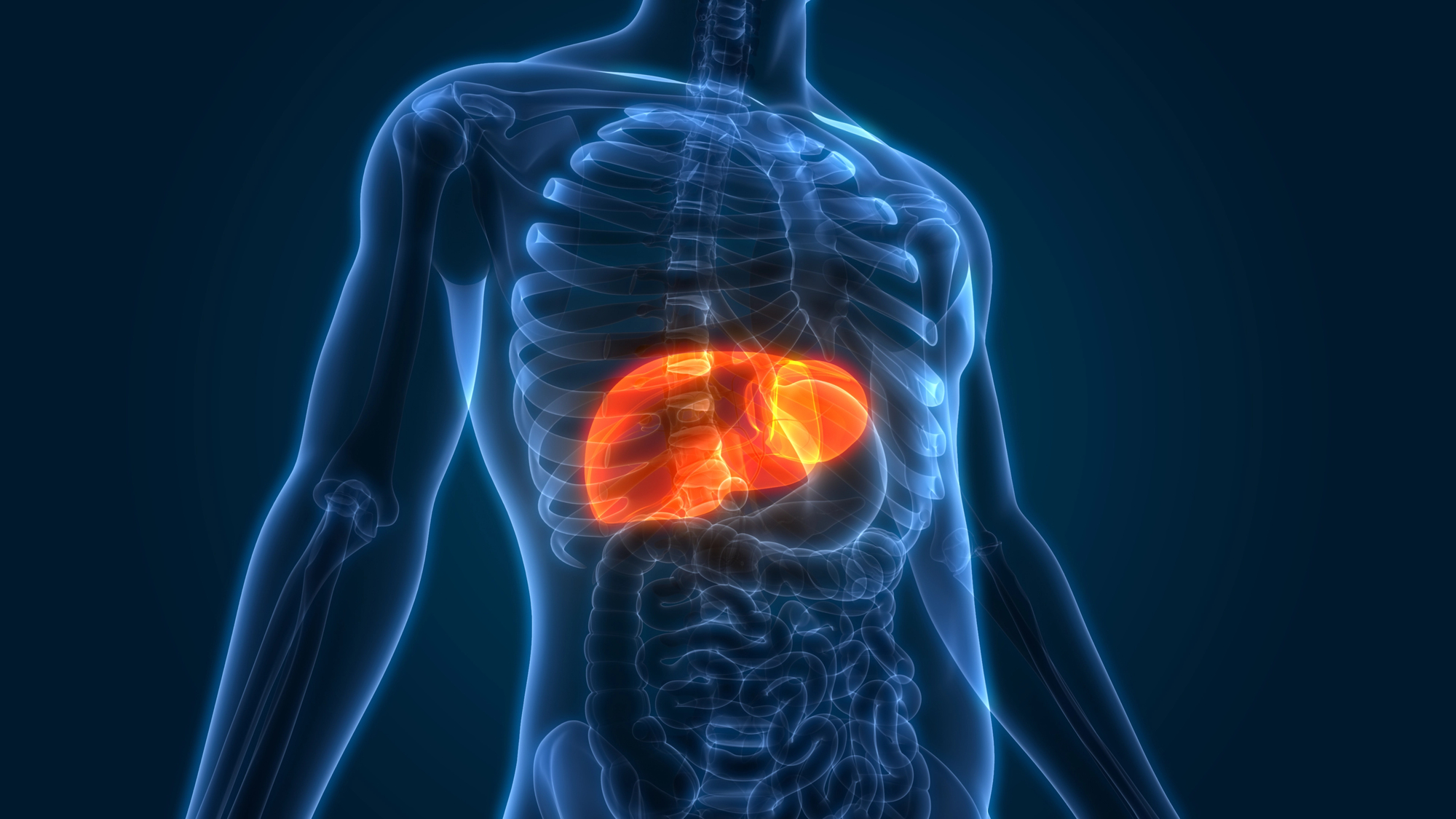
Organ failure is still one of the toughest challenges in modern medicine. Every year, transplant waiting lists get longer, but the number of available donor organs can’t keep up. Because of this growing gap, scientists have been searching for new solutions, especially ways stem cells might help repair, regenerate, or even replace damaged organs.
When looking at this issue, it’s necessary to take a closer look at pluripotent stem cells, since they play a central role in organ regeneration. Take a look at this article to learn more.
What makes induced pluripotent stem cells unique in organ regeneration research?
Induced pluripotent stem cells, or iPSCs, begin as adult cells such as skin or blood cells. Researchers reprogram them back into a pluripotent state, meaning they can develop into many different cell types. This reprogramming allows scientists to generate heart cells, liver cells, nerve cells, and more in laboratory settings.
When researchers address the question of how induced pluripotent stem cells regenerate human organs, they usually describe stepwise processes rather than whole-organ replacement. Scientists first guide iPSCs into specific cell lineages. They then test whether those cells integrate into damaged tissue in animal models.
In heart research, for example, iPSC-derived cardiomyocytes can survive and form electrical connections in injured heart tissue in animals. In liver models, iPSC-derived hepatocyte-like cells show some metabolic activity.
The promise lies in versatility. iPSCs allow researchers to study patient-specific cells and disease patterns.
How close are scientists to lab-grown organs for transplantation?
Public interest centers on the current progress and timeline for lab-grown organ transplants. Researchers have achieved important milestones, but fully functional, transplant-ready organs remain under development.
Scientists have created organoids, which are small, three-dimensional tissue clusters that mimic aspects of organs such as the brain, kidney, or intestine. These organoids help researchers study disease and test drug responses3.
Bioengineered scaffolds represent another line of investigation. Researchers remove cells from donor organs, leaving behind structural frameworks. They then seed these scaffolds with stem cell–derived cells. In animal models, some recellularized organs demonstrate partial function. Yet long-term stability and full integration into living systems remain open challenges.
Vascularization stands out as a major barrier. Large organs require dense blood vessel networks. Without reliable vascular integration, lab-grown tissues cannot survive at scale. Researchers continue exploring bioprinting, growth factor gradients, and co-culture systems to address this limitation.
Timelines remain difficult to predict. Early-stage clinical trials focus on specific tissues such as skin grafts or bladder segments rather than entire solid organs. Larger organ replacements require further advances in vascular engineering, immune compatibility, and long-term safety assessment.
How do induced pluripotent stem cells regenerate human organs in experimental models?
Returning to the core question, researchers describe regeneration as a coordinated process rather than a single event.
First, scientists guide iPSCs into desired cell types through controlled exposure to growth signals. Second, they evaluate whether these cells mature properly. Immature cells may not function like adult tissue cells. Third, they test survival, integration, and communication with surrounding tissue.
In spinal cord injury models, for example, iPSC-derived neural progenitors can differentiate into neurons and glial cells. Some studies report improved motor function in animals. In retinal disease research, iPSC-derived retinal pigment epithelial cells have entered early human trials for degenerative eye conditions.
Even when structural improvement appears promising, variability persists. Some grafts integrate well, while others show limited survival. Researchers continue refining cell selection, maturation protocols, and immune compatibility to improve consistency.
Scientific databases such as the National Institutes of Health’s PubMed archive document encouraging results across organ systems, reflecting steady but measured progress.
Ethical advantages of adult stem cells vs embryonic stem cells in regeneration
Ethical discussion remains part of organ regeneration research. The ethical advantages of adult stem cells vs embryonic stem cells in regeneration often influence funding decisions and public acceptance.
Embryonic stem cells derive from early-stage embryos and carry pluripotent potential similar to iPSCs. However, their derivation raises ethical concerns for some communities because it involves embryo use.
Adult stem cells, including mesenchymal stem cells and hematopoietic stem cells, come from mature tissues such as bone marrow or adipose tissue. These sources avoid embryo-related ethical debates. Induced pluripotent stem cells also originate from adult tissues, which many view as ethically less contentious.
Ethical considerations do not directly determine scientific potential, but they shape regulatory pathways and research priorities. iPSCs gained rapid attention partly because they combine pluripotency with fewer ethical controversies. Even so, researchers must address safety concerns such as genetic stability and tumor risk before widespread clinical use.
Scientific challenges that limit full organ regeneration
Despite progress, several scientific challenges remain. First, structural complexity presents a hurdle. Organs contain multiple cell types arranged in precise spatial patterns. Recreating that architecture requires coordination between stem cells, extracellular matrix, and mechanical forces.
Second, immune compatibility influences long-term success. Even patient-specific iPSCs may carry genetic or epigenetic abnormalities introduced during reprogramming. Researchers carefully screen cell lines to reduce these risks.
Third, long-term function remains uncertain. Short-term survival does not guarantee decades of reliable performance. Clinical trials must follow participants for extended periods to assess durability.
Fourth, scaling production presents logistical challenges. Manufacturing consistent, safe cell products demands strict quality control and regulatory oversight. Small laboratory successes must adapt to clinical-grade standards.
These challenges slow timelines but also strengthen the scientific process. Each barrier prompts refinements and improvements in methodology and study design.
How does organ regeneration research connect with chronic disease and aging?
Many adults explore stem cell science while managing chronic conditions, joint pain, or age-related decline. Organ regeneration research intersects with these concerns because chronic inflammation and metabolic stress often limit tissue repair.
Even when full organ replacement is still a long way off, research on induced pluripotent stem cells (iPSCs) is already making a real impact. Scientists can now create patient-specific cells in the lab, which allows them to study conditions like genetic heart diseases, liver disorders, and neurodegenerative illnesses in a much more personalized way.
These lab-grown cell models give researchers a powerful tool for testing new drugs and understanding how diseases develop and progress over time. Even without complete organ replacement, iPSC research is helping move medicine toward more targeted and effective treatments.
Cellebration Wellness’s educational page on stem cell research fundamentals discusses how laboratory findings inform broader conversations about aging and cellular resilience. While large-scale organ transplants remain under investigation, incremental discoveries continue to shape medical science.
The question of current progress and timeline for lab-grown organ transplants does not yield a simple answer. Progress unfolds in stages, from cell culture experiments to animal studies to carefully monitored human trials. Each stage refines expectations and clarifies limits.
Learn More with Cellebration Wellness
Cellebration Wellness shares research-based educational resources for people exploring stem cell science, regenerative medicine, and long-term health questions. We focus on wellness and regenerative approaches inspired by the latest advances in stem cell research.
If you would like to find out more about organ regeneration research or schedule a general wellness consultation for educational guidance, don't hesitate to contact us online or at 858-258-5090 today.