How Does Regenerative Medicine Target Myofibroblast Activation in Organ Fibrosis?
How Does Regenerative Medicine Target Myofibroblast Activation in Organ Fibrosis?
February 15, 2026
Fibrosis develops when the body replaces injured tissue with excessive scar tissue. While scar formation protects against acute damage, persistent activation of repair pathways can stiffen organs and impair function. This process affects the lungs, liver, kidneys, and heart, and it often accompanies chronic inflammation and aging.
Researchers are examining how regenerative medicine might influence the cellular drivers of fibrosis rather than only slow its progression. Current investigations also explore current clinical trials for extracellular matrix (ECM) remodeling therapies and the differences between traditional anti-fibrotic drugs and stem cell-based tissue regeneration.
Keep reading to find out what results this research has produced and what the outlook looks like.
What happens at the cellular level during fibrosis?
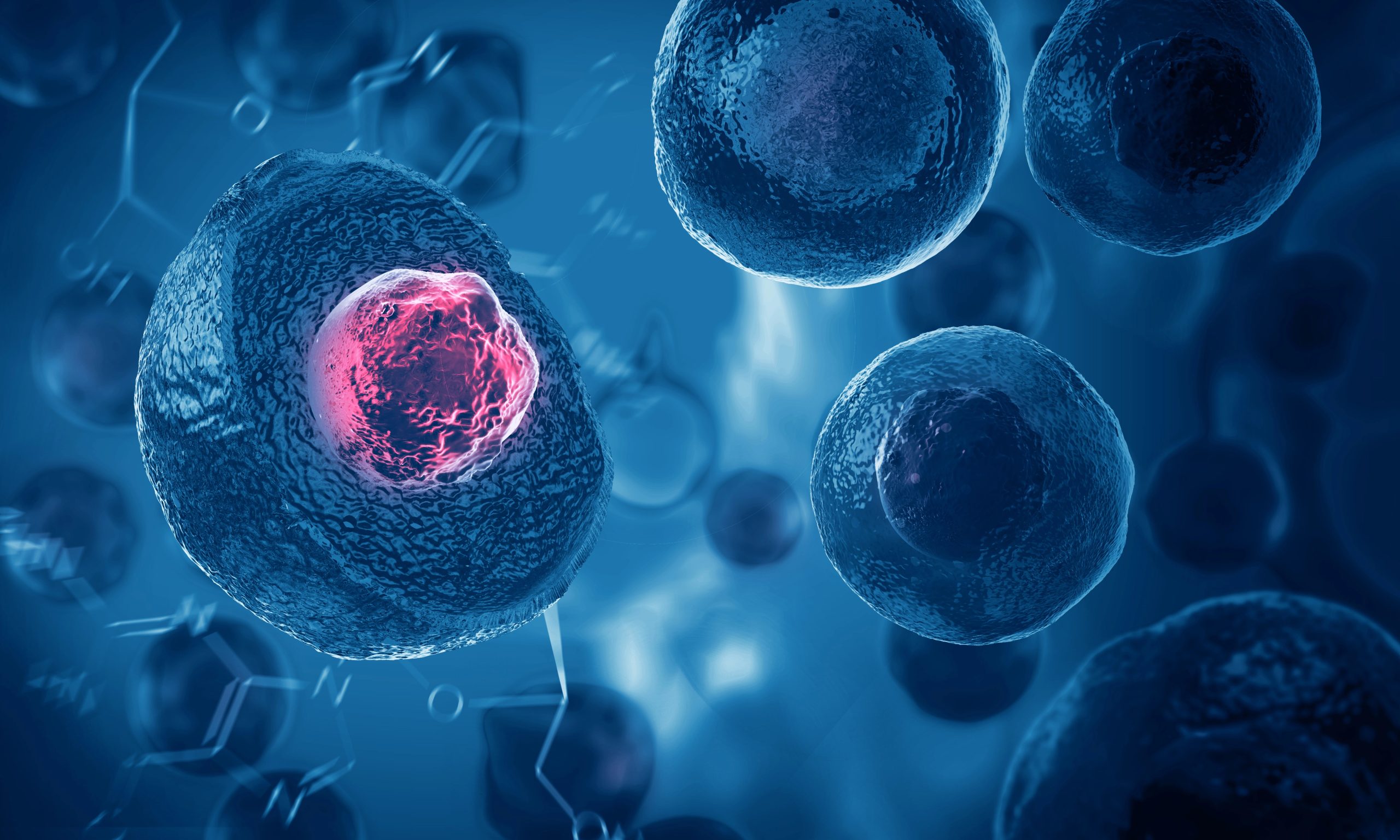
Fibrosis begins with tissue injury. In response, fibroblasts activate and transform into myofibroblasts. These cells produce collagen and other extracellular matrix proteins that reinforce damaged areas. In short-term repair, this response supports structural stability.
Problems arise when myofibroblasts remain active. Persistent signaling from inflammatory cells and mechanical stress encourages continued collagen deposition. Over time, dense extracellular matrix replaces normal tissue architecture. Blood flow decreases, and organ elasticity declines.
Scientists focus closely on these myofibroblasts because they drive long-term scarring. Many regenerative studies aim to influence their activation state.
How regenerative medicine targets myofibroblast activation in organ fibrosis
Research into how regenerative medicine targets myofibroblast activation in organ fibrosis centers on cell signaling rather than structural removal of scar tissue.
In laboratory and animal studies, mesenchymal stem cells (MSCs) receive particular attention. These adult stem cells release signaling molecules that can shift inflammatory environments.
Investigators observe that MSC-derived factors may reduce pro-inflammatory cytokines and alter pathways associated with fibroblast activation. Some experiments show reduced collagen deposition in animal models of lung or liver fibrosis after MSC exposure.
Other studies suggest that MSCs influence immune cells that interact with fibroblasts, indirectly affecting scar formation.
However, results vary. Some models show meaningful reductions in fibrotic markers, while others report temporary changes. Researchers attribute these differences to disease stage, tissue type, and timing of intervention. Established scar tissue often resists reversal, even when inflammatory signals decline.
What role does extracellular matrix remodeling play in fibrosis research?
The extracellular matrix (ECM) provides structural support for tissues. During fibrosis, the ECM becomes dense and disorganized. Collagen fibers thicken, and cross-linking increases stiffness.
Because fibrosis involves ECM accumulation, many investigators examine current clinical trials for extracellular matrix (ECM) remodeling therapies. These trials test approaches designed to influence collagen turnover, enzymatic degradation, or the mechanical properties of scar tissue.
Some experimental therapies aim to regulate enzymes that break down excess matrix proteins. Others explore biomaterials or engineered scaffolds that support healthier tissue architecture.
Regenerative medicine researchers also examine how stem cell–derived signals might shift the balance between matrix production and degradation.
Clinical trials often focus on measurable outcomes such as lung function in pulmonary fibrosis or liver stiffness in hepatic fibrosis. Early-phase studies primarily assess safety and biological signals. Larger trials seek functional improvement, yet consistent long-term reversal of advanced fibrosis is yet to be proved.
If you are interested in reading more about regenerative medicine concepts and advances, our blog features multiple articles on these topics, where we explore how researchers are investigating regenerative medicine approaches for multiple diseases and conditions.
Differences between traditional anti-fibrotic drugs and stem cell-based tissue regeneration
Traditional anti-fibrotic drugs often target specific molecular pathways involved in inflammation or collagen synthesis. They aim to slow progression rather than rebuild tissue.
For example, in idiopathic pulmonary fibrosis, approved medications can reduce the rate of lung function decline. These drugs act on defined signaling pathways but do not typically reverse established scar tissue.
Stem cell–based approaches, by contrast, focus on altering the cellular environment. Rather than blocking a single pathway, researchers investigate whether stem cells or their secreted factors can influence immune balance, reduce fibroblast activation, and support endogenous repair processes.
This distinction shapes research goals. Drug therapies concentrate on disease control. Regenerative approaches explore whether tissue behavior can shift toward a more balanced repair pattern.
So far, evidence suggests that stem cell–based strategies may modulate inflammation and fibrosis markers, yet full structural regeneration remains limited in human studies.
What do current human studies reveal about regenerative approaches to fibrosis?
Human trials investigating regenerative therapies for fibrosis often enroll small participant groups. Researchers measure changes in imaging, laboratory markers, and functional tests.
In lung fibrosis studies, some participants receiving MSC-based interventions show stabilization of pulmonary function over several months. In liver fibrosis research, small trials report modest improvements in liver enzyme profiles or fibrosis scores. However, not all participants respond similarly.
Variability appears linked to disease severity. Early-stage fibrosis may respond more readily to environmental modulation than advanced cirrhosis or long-standing lung scarring. Age, metabolic health, and coexisting conditions also shape outcomes.
Peer-reviewed summaries in scientific databases such as the National Institutes of Health’s PubMed platform outline both promising signals and methodological limits. Many studies lack long-term follow-up, and researchers continue to refine dosing strategies and cell characterization methods.
Why do results vary across organs and patients?
Fibrosis does not present as a uniform condition. Lung fibrosis differs biologically from liver fibrosis or cardiac fibrosis. Each organ contains distinct cell populations and microenvironments.
Mechanical stress influences lung and heart tissue more directly, while metabolic stress strongly affects the liver. These contextual differences alter how fibroblasts behave and how they respond to signaling changes.
Individual factors also matter. Genetics, environmental exposures, nutrition, and chronic inflammatory states shape how tissues respond to injury and repair. When researchers evaluate current clinical trials for extracellular matrix (ECM) remodeling therapies, they often report wide variability between participants.
These differences explain why regenerative strategies show heterogeneous outcomes. A therapy that modifies immune signaling may have stronger effects in inflammatory-driven fibrosis than in scar tissue dominated by mechanical stiffening and cross-linked collagen.
How does fibrosis research connect with whole-person health perspectives?
Fibrosis reflects chronic inflammation and dysregulated repair. Lifestyle factors that influence inflammation, oxidative stress, and metabolic balance can intersect with fibrotic processes. Researchers studying regenerative medicine often examine these broader contexts when interpreting data.
Scientific exploration continues to clarify how regenerative medicine targets myofibroblast activation in organ fibrosis, yet investigators also recognize biological limits. Established scar tissue resists rapid change. Early intervention, disease stage, and overall health shape potential responsiveness.
As research advances, the conversation increasingly shifts from cure-oriented language to questions about modulation, stabilization, and partial restoration. That shift reflects the complex biology of fibrosis itself.
Learn More with Cellebration Wellness
At Cellebration Wellness, we share science-based education for people exploring chronic inflammation, regenerative research, and long-term tissue health. Our focus remains on wellness and regenerative approaches inspired by the latest advances in stem cell research.
If you would like to explore educational resources on regenerative medicine or discuss general wellness guidance, you’re invited to contact us online or at 858-258-5090 to schedule a general wellness consultation today.