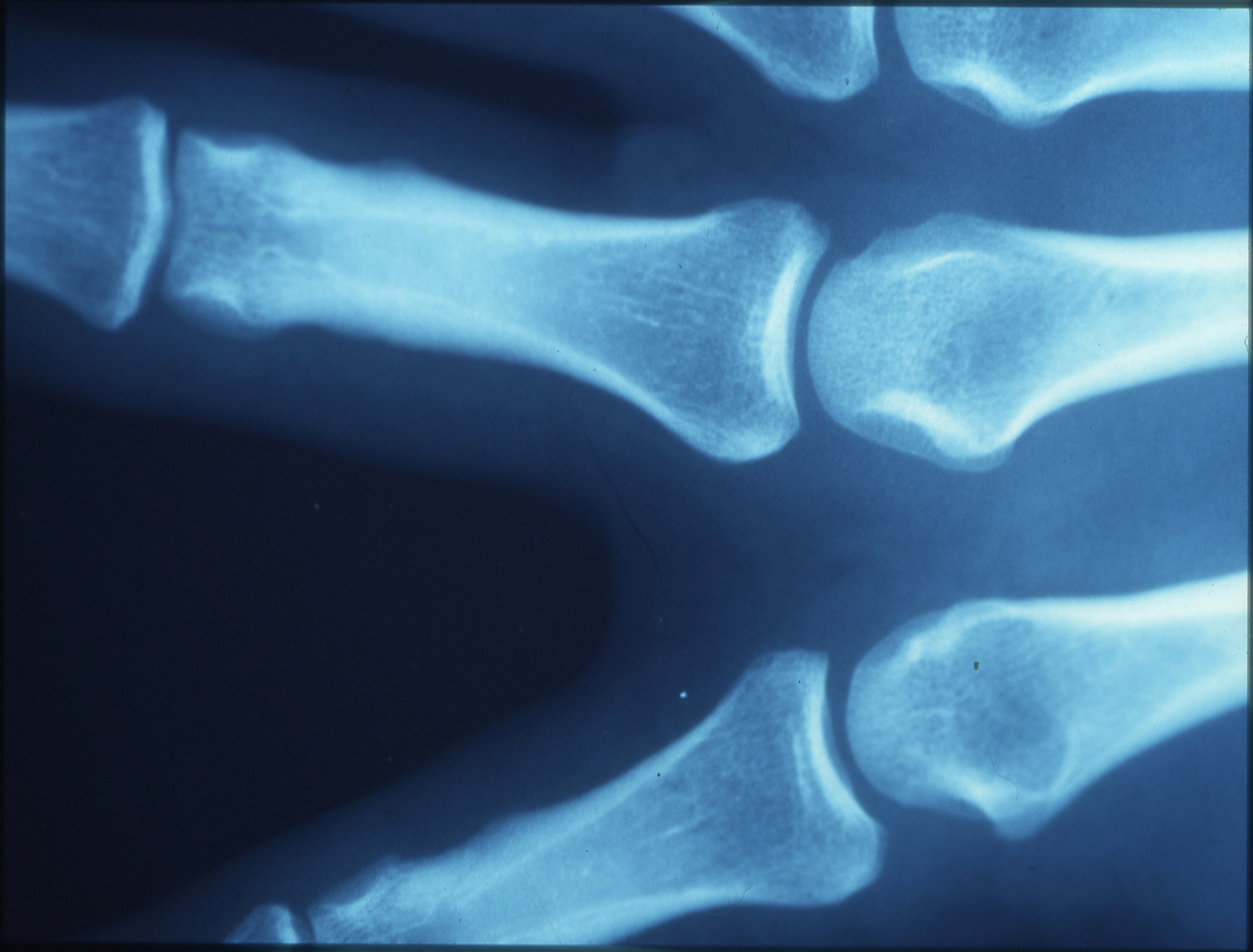
Arthritis is one of the leading causes of joint pain, stiffness, and reduced mobility worldwide. It affects people of all ages, though it is more common as individuals grow older. Over time, arthritis can interfere with everyday activities such as walking, climbing stairs, gripping objects, or remaining physically active.
Regenerative medicine research has gained attention in this area because it focuses on how the body repairs and maintains tissues. Instead of targeting pain alone, regenerative approaches study how cellular processes, inflammation, and tissue balance influence joint degeneration.
Keep reading to find out how regenerative medicine research may support arthritis treatment.
Why Is Arthritis a Major Focus of Regenerative Medicine Research?
Arthritis includes complex biological changes affecting cartilage, bone, synovial fluid, and surrounding tissues. In many forms of arthritis, inflammation disrupts normal tissue maintenance, accelerating joint degeneration and contributing to pain and stiffness.
Traditional treatments such as medications, injections, and physical therapy remain essential, but they primarily focus on managing symptoms.
Regenerative medicine research seeks to understand how joint tissues behave at the cellular level and how the joint environment can be supported to slow deterioration. This focus makes arthritis a key condition for ongoing regenerative investigation.
What Types of Arthritis Are Commonly Studied?
Most regenerative medicine research related to arthritis centers on osteoarthritis, the most prevalent form of the disease. Osteoarthritis affects millions of people and commonly involves the knees, hips, spine, hands, and shoulders. It develops gradually as cartilage breaks down and joint mechanics change, often accompanied by inflammation.
Since cartilage has a limited natural healing capacity, osteoarthritis presents a significant challenge and opportunity for regenerative research. Studies examine how regenerative approaches may help support cartilage health, manage inflammation, and preserve joint function.
Research also explores inflammatory forms of arthritis, such as rheumatoid arthritis, though these conditions involve immune system activity and require more complex treatment strategies. In these cases, regenerative approaches are studied primarily for their supportive role rather than as replacements for immune-directed therapies.
How Does Regenerative Medicine Aim to Support Arthritic Joints?
Regenerative medicine research focuses on how cells communicate within damaged or stressed joints. In arthritis, this communication becomes disrupted, contributing to inflammation, cartilage breakdown, and pain signaling.
Rather than attempting to immediately rebuild damaged cartilage, regenerative approaches study how to improve the joint’s biological environment. This includes supporting normal cellular signaling, reducing harmful inflammation, and promoting conditions that help tissues function more effectively over time.
One of the consistent findings in arthritis research is that timing matters. Arthritis progresses through stages, beginning with subtle tissue changes and inflammation before structural damage becomes severe. Regenerative approaches appear to be more effective when used during the earlier stages of joint degeneration.
When cartilage loss is advanced and joint alignment is significantly altered, regenerative strategies are less likely to produce meaningful improvements. For this reason, research increasingly emphasizes early evaluation and intervention, when joint tissues may still respond to biological support.
What Role Does Inflammation Play in Arthritis Progression?
Inflammation plays a central role in both osteoarthritis and inflammatory arthritis. Even in osteoarthritis, which was once considered purely mechanical, low-grade chronic inflammation contributes to cartilage breakdown, joint stiffness, and pain sensitivity.
Regenerative medicine research closely examines how inflammatory signals affect joint tissues. Many approaches aim to reduce damaging inflammation while supporting normal tissue maintenance.
By addressing inflammation at the cellular level, researchers hope to slow degenerative changes and improve joint comfort.
How Do Lifestyle Factors Influence Joint Health?
Regenerative medicine studies on arthritis increasingly highlight the importance of lifestyle factors in arthritis outcomes. Sleep quality, nutrition, stress levels, and body weight all influence inflammation and cellular function.
Nutrition plays a particularly important role. Diets rich in whole foods, healthy fats, lean proteins, and essential micronutrients help support tissue repair and inflammatory balance. A healthier internal environment allows regenerative processes to function more efficiently, supporting joint health over time.
Also, movement remains essential in arthritis care. Research consistently shows that appropriate physical activity supports joint lubrication, muscle strength, and mobility. Regenerative medicine is not designed to replace physical therapy or exercise but to work alongside them.
Proper movement patterns help reduce excessive stress on arthritic joints, creating a more favorable environment for biological repair.
When joint loading is well managed, regenerative support may be more effective because tissues are not continuously exposed to damaging forces.
How Is Regenerative Medicine Integrated Into Arthritis Care?
In research and clinical settings, regenerative approaches are typically studied as part of a broader care plan. This plan often includes physical therapy, activity modification, weight management, and pain-control strategies.
Regenerative research aims to delay or reduce the need for surgery in some individuals by supporting joint function earlier in the disease process. For people with mild to moderate arthritis, regenerative approaches may help manage symptoms and preserve mobility for longer periods.
Rather than functioning as a stand-alone solution, regenerative medicine is viewed as one component of comprehensive joint care. Ongoing research continues to explore how these therapies can best be combined with conventional treatments to improve outcomes.
What Does Current Research Suggest About Effectiveness?
Research findings vary depending on the type of arthritis, the stage of joint degeneration, and individual patient factors. Some studies report improvements in pain, function, and quality of life for individuals with mild to moderate osteoarthritis, while others show more modest results.
Scientists emphasize that regenerative medicine is not a cure for arthritis and does not reverse advanced joint damage. Continued clinical trials and long-term studies are needed to better understand who may benefit most and how treatment approaches can be refined.
Frequently Asked Questions About Regenerative Medicine and Arthritis
- Can regenerative medicine cure arthritis?
No. Current regenerative approaches aim to support joint health and slow degeneration, not cure arthritis. - Who may be a candidate?
People with early to moderate arthritis who have not achieved adequate relief from conservative treatments may be considered, pending medical evaluation. - How long does it take to notice changes?
Improvements often develop gradually over weeks or months and vary between patients. - Is regenerative medicine safe?
Safety depends on the specific therapy and patient factors. Ongoing research includes monitoring for risks and outcomes.
Learn More About Regenerative Medicine with Cellebration Wellness
Cell therapy is gaining attention as a supportive option for people living with arthritis who want to manage inflammation, protect joint function, and maintain long-term mobility.
While it is not a cure and may not be appropriate for every form or stage of arthritis, regenerative therapies may help support joint tissues when used as part of a comprehensive care approach.
At Cellebration Wellness, we focus on patient education and personalized guidance for those exploring cell-based therapies for arthritis-related joint concerns. Our team helps patients understand whether regenerative options may align with their condition, symptoms, and mobility goals.
Contact us at 858-258-5090 to schedule a consultation and explore your options with experienced professionals.