The nervous system is a complex network of neurons, nerves, and supporting cells that control movement, sensation, and critical bodily functions. When the nervous system is damaged due to injury, disease, or degeneration, it can cause significant physical and cognitive impairments.
Traditional treatments often focus on symptom management rather than repairing damaged nerves. In recent years, stem cell research has emerged as a promising avenue for supporting nerve repair, restoring function, and improving quality of life.
Below, we review how regenerative medicine and stem-cell research in particular aim to contribute to repairing the nervous system.
What Happens When the Nervous System Is Damaged?
The nervous system consists of the central nervous system (CNS), including the brain and spinal cord, and the peripheral nervous system (PNS), which connects the CNS to the rest of the body. Damage can result from trauma, strokes, neurodegenerative diseases, autoimmune disorders, or spinal cord injuries.
When neurons or supporting cells are damaged, communication between the brain, spinal cord, and other body parts is interrupted. This can lead to muscle weakness, loss of sensation, impaired coordination, paralysis, and cognitive or sensory difficulties.
Unlike many other tissues, neurons in the CNS have limited natural capacity to regenerate, which makes repair particularly challenging and emphasizes the need for innovative approaches like stem cell therapy.
How Stem Cells Can Support Nerve Repair
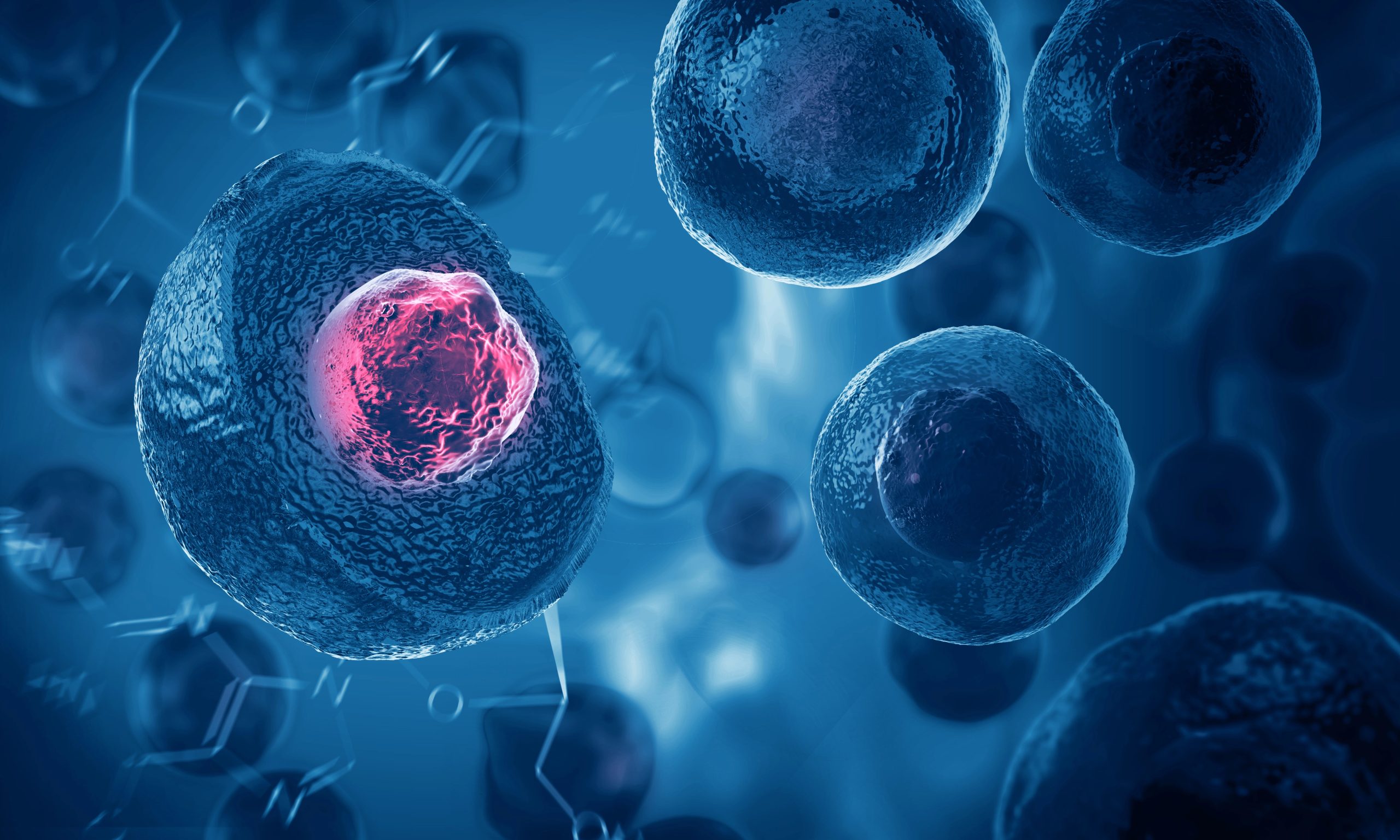
Stem cells are unique because they can differentiate into specialized cell types and secrete factors that promote tissue repair. For nervous system damage, several types of stem cells are being studied:
- Embryonic stem cells (ESCs): These cells can differentiate into nearly any type of cell, including neurons and glial cells, and have been widely studied for their regenerative potential.
- Induced pluripotent stem cells (iPSCs): These are adult cells reprogrammed to an embryonic-like state. iPSCs can create patient-specific neural cells, which reduces the risk of immune rejection.
- Mesenchymal stem cells (MSCs): Found in bone marrow and other tissues, MSCs help reduce inflammation, release growth factors, and indirectly support nerve repair.
Through these mechanisms, stem cells may replace damaged neurons, stimulate axonal growth, promote new nerve connections, and modulate harmful inflammation, creating an environment that contributes to healing.
What Does Research Say About Stem Cells and Nerve Repair?
Research in animal models and early clinical trials shows that stem cells can survive and integrate into damaged nervous tissue. For patients with spinal cord injuries, transplanted stem cells have been shown to encourage axonal growth, improve motor function, and restore some sensory responses.
In neurodegenerative diseases such as Parkinson’s disease or amyotrophic lateral sclerosis (ALS), stem cells are being explored for their ability to replace lost neurons, release protective factors, and slow disease progression.
It’s important to note that outcomes vary depending on the type of injury, the timing of therapy, and the method of stem cell delivery. Researchers continue to refine these therapies to maximize effectiveness and improve safety.
How Are Stem Cell Therapies Different From Conventional Treatments for Nervous System Repair?
Conventional treatments for nervous system injuries generally focus on managing symptoms, reducing inflammation, and preventing further degeneration. Physical therapy, medications, and supportive care help maintain function and improve quality of life, but they do not directly regenerate damaged neurons or restore lost nerve connections.
Stem cell therapies take a different, regenerative approach. Rather than only managing symptoms, these treatments aim to support tissue repair, promote the growth of new nerve cells, and create an environment that encourages the nervous system to heal.
While stem cell therapies do not cure the underlying condition, they may complement standard care by enhancing nerve repair and potentially improving long-term functional outcomes.
Who Could Benefit From Stem Cell Therapy for Nerve Repair?
Stem cell therapy may be most effective for patients with traumatic nerve injuries, neurodegenerative diseases, or chronic damage to the nervous system. Candidates are carefully assessed to ensure the treatment is appropriate and that the potential benefits outweigh the risks.
For instance, patients with spinal cord injuries may benefit from stem cell therapy that helps repair damaged nerves, reduce inflammation, and support functional recovery. These therapies work best when combined with physical rehabilitation and other conventional treatments, creating a comprehensive approach to nervous system repair.
Early intervention can produce better results, but even people with longstanding nerve damage may experience improvements in movement, sensation, or overall neurological function.
Potential Benefits of Stem Cell-Based Regenerative Approaches
Stem cell therapies offer multiple advantages for people with nervous system damage:
- Support for Nerve Repair: Stem cells may replace damaged neurons, stimulate growth of new nerve connections, and restore communication between cells.
- Reduction of Inflammation: Many stem cells secrete anti-inflammatory factors, helping to protect surviving neurons and improve the healing environment.
- Improvement in Motor and Sensory Function: Clinical studies suggest that stem cell therapies may enhance mobility, strength, and sensation in patients with spinal cord or brain injuries.
- Complementary Support: Stem cell therapy can work alongside physical rehabilitation, medications, and lifestyle interventions to optimize recovery.
By addressing both cellular damage and the inflammatory environment, stem cells offer a multi-faceted approach to nervous system repair.
Limitations of Stem Cell Therapy
Despite promising results, stem cell therapy remains experimental. Limitations include:
- Immune Response Risks: Even patient-derived stem cells can trigger immune reactions in rare cases.
- Variable Outcomes: The degree of nerve repair and functional improvement differs among patients.
- Ethical and Regulatory Considerations: Some stem cell types are subject to ethical debates, and treatments may only be available in clinical trial settings.
- Cost and Accessibility: Treatments are expensive and often limited to specialized research programs.
Patients should be cautious of clinics that promise guaranteed results or offer unregulated treatments outside clinical trials.
What Does the Future Hold for Stem Cell Research in Nervous System Repair?
Ongoing research continues to refine stem cell therapies for the nervous system. Advances in cell engineering, delivery techniques, biomaterials, and gene editing are helping to enhance stem cell survival and integration. Researchers are also exploring combination therapies to maximize functional recovery.
As evidence grows, stem cell therapies are expected to complement traditional treatments more effectively, offering patients new opportunities to restore function, reduce symptoms, and improve overall quality of life.
Frequently Asked Questions
- Can stem cells fully repair nervous system damage?
No therapy guarantees full repair, but stem cells may promote regeneration, improve function, and reduce further damage in some patients. - Are stem cell therapies safe for nervous system injuries?
When administered under proper medical supervision in regulated clinical trials, stem cell therapies are generally safe. Risks are monitored carefully. - How long does it take to see improvements?
Benefits often develop gradually over weeks or months, depending on the type of injury, therapy used, and individual response. - Can stem cells replace conventional treatments?
Stem cell therapy is typically complementary, not a replacement. Medications, rehabilitation, and supportive care remain essential. - Who is an ideal candidate for stem cell therapy?
Patients with recent or chronic nerve injuries, neurodegenerative conditions, or limited response to conventional therapies may be considered after careful evaluation. - Do stem cells help with mobility and daily function?
Research indicates some patients experience improvements in movement, strength, and sensation, though results vary.
If You Want to Learn More About Stem Cells & Nervous System Repair, Contact Cellebration Wellness
Stem cell research is providing hope for patients seeking to support nerve repair, reduce inflammation, and improve quality of life. While not a cure, these therapies can play an important role in comprehensive care plans for individuals with nervous system injuries or diseases.
At Cellebration Wellness, we provide guidance and education on emerging treatments and therapies. We focus on wellness and regenerative approaches inspired by the latest advances in stem cell research
You can contact us at 858-258-5090 to learn more about how regenerative therapies work and how they may contribute to nervous system repair.