Medical tourism has grown rapidly as patients seek advanced regenerative medicine treatments abroad. Therapies such as stem cell injections, platelet-rich plasma (PRP), and tissue engineering offer potential relief for chronic conditions, joint injuries, and other health challenges. Many patients travel internationally to access these innovative procedures at clinics that combine expertise, modern technology, and shorter wait times.
While regenerative medicine offers promising outcomes, receiving treatment outside one’s home country requires careful planning to manage potential complications and ensure safe follow-up care.
Why Do Patients Seek Regenerative Medicine Abroad?
Several factors drive patients to consider regenerative treatments internationally. Some therapies are not yet widely approved in certain countries, while others may be prohibitively expensive at home. Cost-effective procedures, coupled with access to experienced practitioners, are strong incentives for travel.
Countries that have invested in modern healthcare infrastructure and regulatory oversight provide an added layer of confidence for patients seeking advanced regenerative care. Locations with a combination of accredited clinics, experienced medical staff, and supportive recovery environments, such as areas known for medical tourism in Central America, offer patients access to innovative therapies with a balance of safety and convenience.
Regenerative medicine offers potential therapies for a variety of conditions. Patients with neurological disorders like Parkinson’s disease or spinal cord injuries may benefit from stem cell therapy. Additionally, individuals with autoimmune or chronic inflammatory conditions, such as psoriasis, can explore regenerative treatments designed to support tissue repair, reduce inflammation, and improve quality of life.
What Are Common Complications in Regenerative Medicine?
Regenerative medicine, like any medical intervention, carries potential risks. These may include:
- Infections: Procedures involving injections or tissue transplantation can introduce pathogens if sterility is compromised.
- Immune reactions or inflammation: Patients may experience swelling or tissue irritation following cell-based treatments.
- Variable treatment outcomes: Stem cells or PRP may not integrate effectively, resulting in partial or delayed improvement.
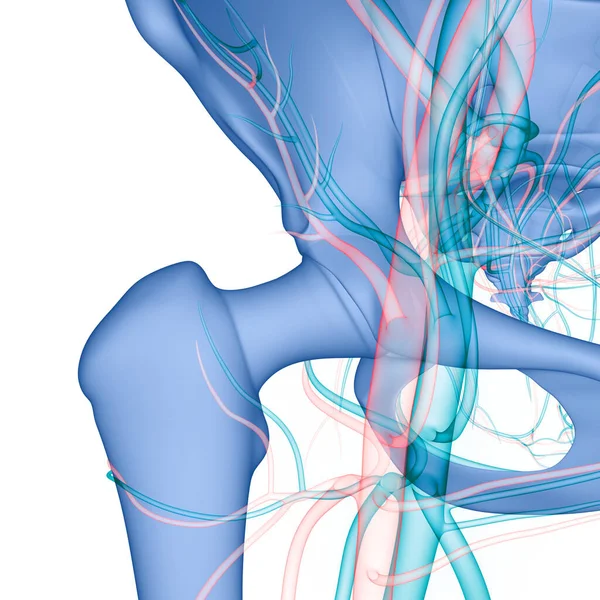
- Vascular issues or clot formation: Injections near sensitive tissues can occasionally affect nearby blood vessels.
While most clinics implement strict protocols to minimize these risks, patients should understand that outcomes can vary depending on the facility, practitioner, and individual health factors.
How Can Patients Manage Complications Across Borders?
Managing complications requires preparation both before and after travel:
- Pre-Travel Evaluation: Patients should consult with a physician to determine suitability for regenerative therapy and identify any risk factors. Detailed medical history, current medications, and prior procedures help guide safe treatment planning.
- Clinic Selection: Choosing accredited clinics with documented experience and transparent procedures reduces complications. Patient reviews, certifications, and published research can provide insight into quality standards.
- Documentation: Keeping records of pre-procedure assessments, lab tests, consent forms, and procedure details is critical for continuity of care, particularly if complications arise after returning home.
- Post-Treatment Care: Arranging follow-up appointments locally or at the treating facility ensures any side effects are promptly addressed. Awareness of emergency care options in the treatment country is also essential.
- Insurance and Costs: Patients should confirm whether their insurance covers international treatments or complications. Travel insurance that accounts for medical procedures abroad can provide added financial protection.
Who Should Consider Medical Tourism for Regenerative Medicine?
Not all patients are ideal candidates for overseas regenerative procedures. Individuals with complex health conditions, compromised immunity, or significant comorbidities may face higher risks. Those requiring ongoing rehabilitation or close monitoring may benefit more from local care with familiar healthcare providers.
Patients in good overall health, seeking innovative therapies that are not readily available at home, or interested in combining treatment with a comfortable recovery environment, may find international care appealing. In addition, patients who are motivated to follow detailed pre- and post-procedure instructions and can access quality follow-up care locally are often better suited for medical tourism.
Facilities in regions known for high-quality medical tourism, where modern clinics are complemented by natural surroundings conducive to rest and healing, can provide both effective treatment and a supportive recovery experience. These environments may also help reduce stress, promote wellness, and support a smoother recuperation, enhancing the overall outcomes of regenerative procedures.
FAQs
- Is regenerative medicine safe abroad?
Safety depends on the clinic’s accreditation, practitioner expertise, and adherence to sterile protocols. Reputable international clinics with experienced staff tend to have lower complication rates. - What should I do if complications occur after returning home?
Contact a local healthcare provider promptly and provide all documentation of the procedure. Timely intervention can prevent minor issues from worsening. - Are these treatments covered by insurance?
Coverage is often limited, especially for experimental therapies. Patients should confirm coverage before travel to avoid unexpected expenses. - Is follow-up care necessary?
Yes. Monitoring cell integration, tissue healing, and overall recovery ensures the procedure’s effectiveness and identifies complications early. - How do I choose a reputable clinic abroad?
Look for clinics with internationally recognized certifications, experienced staff, transparent protocols, and documented patient outcomes. Patient reviews and published research can provide additional guidance. - Can I combine regenerative therapy abroad with ongoing treatments at home?
Yes. Many patients continue their standard medications or therapies alongside regenerative treatments. Coordinating care with your home physician ensures safety and continuity. - What should I pack or prepare before traveling for regenerative medicine?
Bring detailed medical records, imaging studies, medication lists, and consent forms. Also, plan for travel insurance, potential follow-up visits, and any medications needed during recovery.
Take the Next Step Toward Regenerative Care with Cellebration Wellness
Medical tourism for regenerative medicine can provide access to advanced therapies for chronic conditions or experimental treatments. However, careful planning, risk awareness, and proper follow-up are essential to ensure safety and maximize therapeutic benefits.
Patients considering regenerative therapy abroad should research clinics thoroughly, undergo pre-procedure evaluations, maintain detailed medical documentation, plan follow-up care, and ensure adequate insurance coverage.
At Cellebration Wellness, we are committed to advancing regenerative medicine with patient-focused care. Our experienced team specializes in stem cell therapies designed to support neuronal health, improve function, and enhance quality of life for patients with Parkinson’s disease and other neurological conditions. We also provide guidance for patients exploring regenerative therapies internationally, helping ensure safe and well-coordinated treatment plans.
If you or a loved one is exploring innovative options beyond traditional treatments, our team is here to provide expert guidance and a personalized evaluation. Contact Cellebration Wellness today at (858) 258-5090 to schedule your free consultation and learn whether stem cell therapy for Parkinson’s disease or related regenerative treatments may be right for you.