Motor neuron disorders occupy a uniquely difficult corner of medicine. They are progressive, they are relentless, and for most patients, the diagnosis arrives with a bleak prognosis: there are currently no treatments that meaningfully reverse or halt the underlying disease process. Management is supportive. The trajectory is, in most cases, downward.
That reality is what makes the emerging field of cell-based therapy for motor neuron disorders so significant. Across research institutions, clinical trial registries, and specialist clinics worldwide, scientists and clinicians are actively testing whether stem cells, particularly Mesenchymal Stem Cells (MSCs) and neural progenitor cells, can intervene in the biological mechanisms that drive motor neuron destruction.
What Motor Neuron Disorders Actually Do
To understand why cell-based therapies are being explored, it helps to understand precisely what these diseases do to the nervous system.
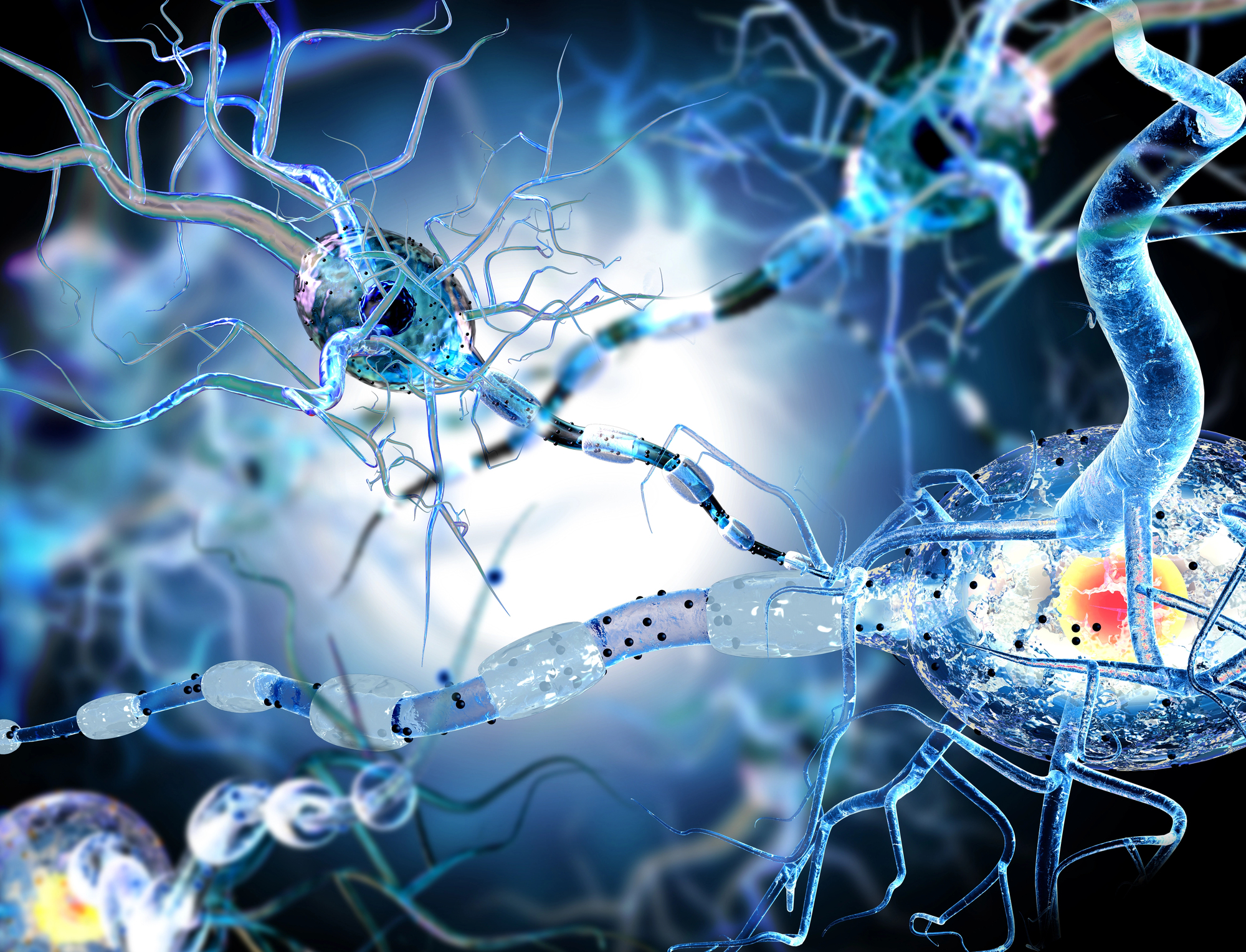
Motor neuron disorders are a group of progressive neurological conditions characterized by the degeneration of the neurons that control voluntary muscle movement. The most widely known is Amyotrophic Lateral Sclerosis (ALS), sometimes called Lou Gehrig's disease, which affects both upper motor neurons (in the brain) and lower motor neurons (in the spinal cord and brainstem). As these neurons die, the muscles they control weaken, atrophy, and eventually cease to function. The disease progresses to paralysis and, ultimately, respiratory failure, typically within two to five years of diagnosis.
Primary Lateral Sclerosis (PLS) affects only upper motor neurons and follows a slower but similarly relentless course. Spinal Muscular Atrophy (SMA), caused by a genetic defect that depletes the survival motor neuron (SMN) protein, primarily affects lower motor neurons and is one of the leading genetic causes of childhood mortality. Kennedy's Disease (spinobulbar muscular atrophy) is an X-linked disorder causing slow but progressive lower motor neuron loss.
What these conditions share is a common vulnerability: once motor neurons die, the nervous system cannot replace them on its own. The CNS has a notoriously limited capacity for self-repair. This is the biological wall that regenerative medicine is now attempting to breach.
The Biological Case for Cell-Based Intervention
The rationale for using cell therapies in motor neuron disorders is not simply that stem cells might replace lost neurons, though that is part of the long-term ambition. In the near term, the case rests on several better-established mechanisms.
- Neuroprotection through trophic factor release. MSCs secrete a rich array of neurotrophic factors, molecules like Brain-Derived Neurotrophic Factor (BDNF), Glial Cell Line-Derived Neurotrophic Factor (GDNF), and Vascular Endothelial Growth Factor (VEGF). These signaling proteins do not replace damaged neurons, but they create a biological environment that supports the survival of neurons that are still viable. In ALS, where the disease progresses in a spreading pattern, protecting still-functional motor neurons in adjacent regions may meaningfully slow the clinical decline.
- Immunomodulation and neuroinflammation. A growing body of research implicates neuroinflammation (the chronic activation of glial cells and peripheral immune infiltration into the CNS) as a key driver of motor neuron degeneration in ALS and related conditions. MSCs are potent immunomodulators. By suppressing hyperactivated microglia and shifting the local immune environment from a pro-inflammatory to a neuroprotective state, they may interrupt one of the key feedback loops accelerating neuronal death.
- Glial scar modulation. In the spinal cord, a major barrier to any form of repair is the glial scar, a dense matrix of reactive astrocytes that physically impedes axonal regrowth. Certain stem cell types have demonstrated the ability to modulate the glial scar environment, creating conditions more permissive to neurological recovery. This mechanism has particular relevance to motor neuron conditions affecting spinal circuits.
This multi-modal neuroprotective profile, rather than simple cell replacement, is the primary rationale driving current clinical trial design for motor neuron disorders.
What the Clinical Trials Are Showing
The clinical trial landscape for cell-based therapies in motor neuron disorders has transitioned from theory to structured investigation. In ALS, Phase I and II trials have confirmed that intrathecal MSC injections are safe and well-tolerated. Emerging efficacy signals suggest a slower rate of functional decline on the ALSFRS-R scale compared to historical controls, with researchers now testing repeated dosing and higher cell concentrations.
For Spinal Muscular Atrophy (SMA), the focus is shifting toward how cell therapies can complement existing genetic treatments, especially for older patients with SMA Type II or III who see limited benefits from gene therapy alone. Meanwhile, preclinical success in Primary Lateral Sclerosis and Kennedy's Disease is currently driving the move toward human trials.
Delivery methods have become a critical variable in these studies. Intrathecal delivery targets the spinal cord environment directly, while intravenous delivery addresses systemic neuroinflammation. Because ALS affects motor neurons throughout the central nervous system, many researchers now favor a combined approach to address its distributed pathology comprehensively.
The overlap between motor neuron disorder research and broader CNS regenerative medicine is direct and meaningful. Much of what is being learned in motor neuron trials informs, and is informed by, parallel work in conditions like Multiple Sclerosis, where MSC-mediated neuroprotection and immunomodulation are also central research questions.
Our overview of Multiple Sclerosis and stem cell research developments provides useful context on how these adjacent fields are advancing together.
What the Field Has Not Yet Solved
Cell-based therapies have not demonstrated the ability to reverse established motor neuron loss. Neurons that have already died cannot be recovered by current MSC protocols. This is why timing of intervention is emerging as a critical determinant of outcome; earlier in the disease course means more viable neurons to protect, and a greater window for neuroprotective mechanisms to show meaningful effect.
The blood-brain barrier presents a genuine delivery challenge. While intrathecal injection bypasses this obstacle for spinal cord targets, reaching upper motor neurons in the brain reliably remains technically complex. Novel delivery strategies, including intranasal routes, focused ultrasound-assisted BBB opening, and engineered exosomes, are being investigated as the next frontier.
Cell retention and longevity in the hostile environment of a degenerating CNS is another open question. Once introduced, MSCs face a neuroinflammatory milieu that limits their functional lifespan. Protocols that optimize dose timing, frequency, and cell source quality are actively being refined in response to this challenge.
The right cell source matters here as much as it does in any cell-based therapy. Allogeneic -derived MSCs carry a more potent and consistent neuroprotective secretome than autologous cells taken from a patient already under chronic neurological stress.
As explored in our detailed resource on stem cell therapy for spinal cord injury and neurological conditions, cell source selection is one of the most consequential clinical decisions in any CNS regenerative protocol.
Learn More With Cellebration Wellness
At Cellebration Wellness, we follow this research closely because we believe that patients with motor neuron disorders deserve access to the most current, data-driven understanding of their options.
If you or a loved one is navigating a motor neuron disorder and wants to understand where cell-based therapy currently stands, our team is here to have that conversation honestly. Contact Cellebration Wellness today at 858-258-5090 to schedule a consultation.