The nervous system plays a vital role in nearly every function of the human body, from movement and sensation to cognition and autonomic control. When the brain, spinal cord, or peripheral nerves are injured or affected by disease, the body responds by activating an immune reaction within neural tissue.
This response, known as neuroinflammation, is a natural part of the healing process. In the right balance, neuroinflammation helps protect neural structures and initiate repair. When it becomes excessive or prolonged, however, it can interfere with recovery and contribute to long-term neurological dysfunction.
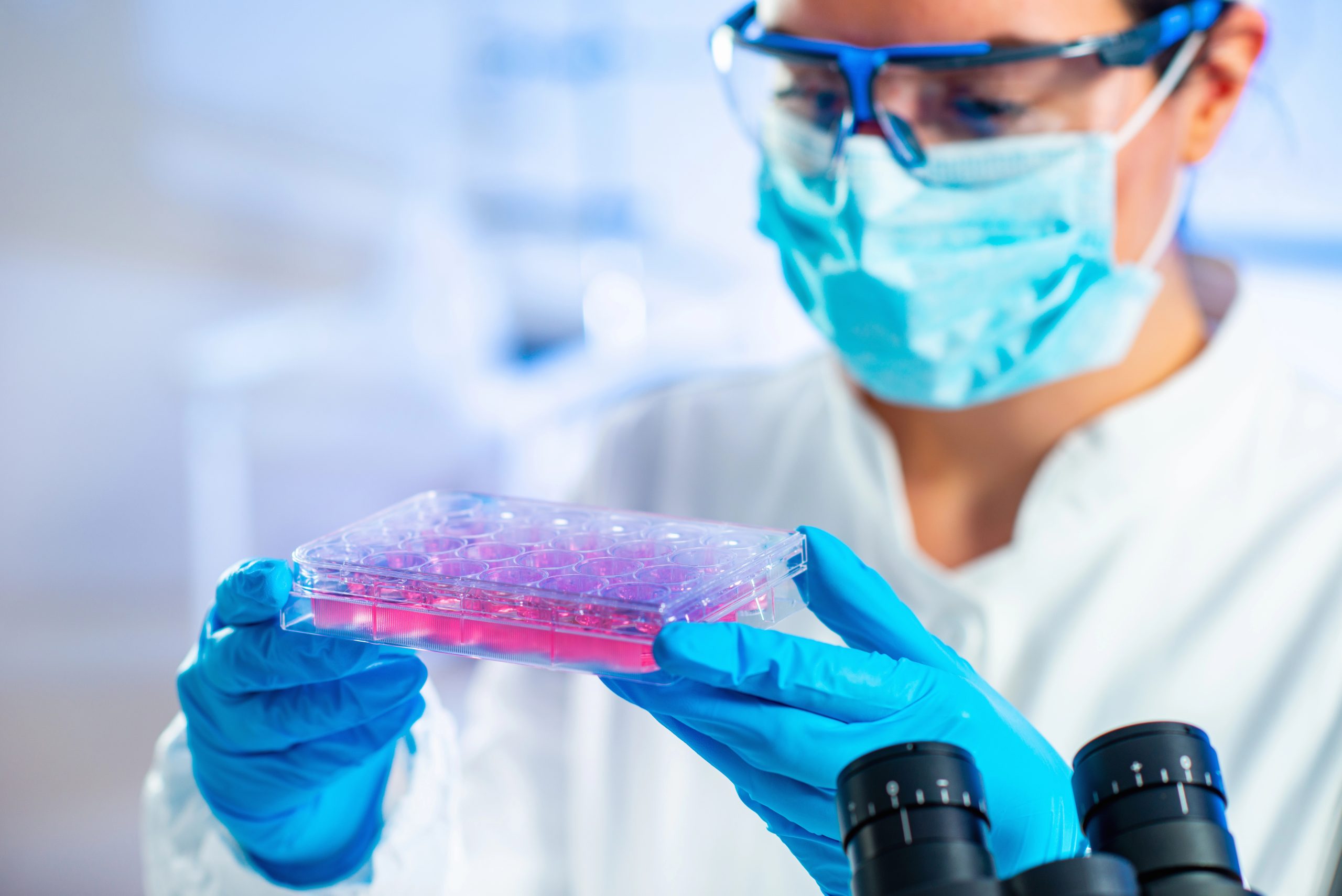
Regenerative research has increasingly focused on understanding neuroinflammation and how it influences neural healing. Below, we explore how neuroinflammation and regenerative research interact.
What Is Neuroinflammation in the Nervous System?
Neuroinflammation differs from inflammation in other tissues. The nervous system relies on specialized immune cells, including microglia and astrocytes, which respond to injury, infection, or cellular stress. These cells release signaling molecules that help isolate damage, remove debris, and protect surrounding neurons.
In acute situations, such as trauma or temporary ischemia, this inflammatory response is essential. Problems arise when inflammatory signaling remains active longer than necessary. Chronic neuroinflammation has been associated with traumatic brain injury, spinal cord injury, stroke, neurodegenerative disorders, and persistent neuropathic pain.
How Does Neuroinflammation Affect Neural Recovery?
Neural tissue has a limited ability to regenerate compared to other parts of the body, making the inflammatory environment especially important. Excessive inflammation can inhibit the formation of new neural connections, interfere with myelin repair, and promote additional cellular damage.
In the brain, prolonged inflammation may affect cognition, memory, and mood. In the spinal cord and peripheral nerves, it can limit functional recovery and prolong disability. For this reason, managing inflammation is a central focus of regenerative neuroscience.
Neuroinflammation plays a particularly important role following traumatic neurological injuries, including spinal cord injury, where the immune response strongly influences long-term outcomes. Early inflammation helps contain damage and begin the cleanup of injured tissue.
However, when inflammatory activity persists, it may contribute to secondary injury, restrict nerve regeneration, and worsen neurological function.
Regenerative research in this area focuses on guiding inflammatory responses toward repair rather than continued damage, supporting a biological environment that allows neural tissue to stabilize and recover over time.
What Role Does Regenerative Research Play in Neuroinflammation?
Regenerative research examines how the body repairs itself at the cellular level and how these processes can be supported. In the context of neuroinflammation, this involves studying how cells communicate during injury and healing.
Rather than eliminating inflammation, regenerative approaches aim to regulate it. The goal is to encourage protective signaling that supports tissue repair while limiting inflammatory processes that contribute to degeneration.
How Does Cellular Communication Influence Healing?
Cells rely on complex signaling networks to regulate inflammation and tissue repair. In the nervous system, these signals influence whether immune cells support regeneration or prolong injury. Regenerative research continues to explore how these pathways can be guided to promote neural stability, protect healthy tissue, and support gradual recovery.
Researchers also study how these signals affect neuron survival, synaptic communication, and myelin repair, all of which are essential for restoring functional connections and minimizing long-term neurological impairment.
How Does Timing and the Healing Environment Affect Neuroinflammation?
Neural recovery depends heavily on the surrounding biological environment. Blood flow, oxygen delivery, metabolic health, and immune balance all influence neuroinflammation.
Lifestyle factors such as sleep quality, nutrition, physical activity, and stress management also affect systemic inflammation, which can impact the nervous system. Regenerative strategies are most effective when supported by these foundational elements.
In addition, timing plays a key role in neurological recovery. Early medical evaluation after injury allows clinicians to monitor inflammatory responses and support healing before inflammation becomes chronic.
While inflammation should not be immediately suppressed, guiding it appropriately during its early stages may help reduce long-term complications.
Even in chronic neurological conditions, modifying the inflammatory environment may still provide benefits when combined with rehabilitation and supportive care.
What Does Neuroinflammation Research Mean for Patients?
For people recovering from neurological injury or managing chronic neurological conditions, advances in neuroinflammation research provide valuable insight. While regenerative research does not promise cures, it offers a framework for supporting recovery at a biological level.
Patients benefit from care strategies that consider inflammation, tissue health, and long-term function rather than focusing only on symptom control. This approach encourages realistic expectations and emphasizes gradual progress.
FAQ About Neuroinflammation and Regenerative Research
- Is neuroinflammation always harmful?
No. Neuroinflammation is a natural and necessary response to injury. It becomes problematic only when it is excessive or prolonged and begins to interfere with healing. - Can regenerative research reverse neurological damage?
Regenerative approaches are not cures and do not reverse advanced damage. Their role is to support the healing environment and improve recovery potential over time. - How long does neural recovery take?
Recovery timelines vary widely. Neural healing often occurs gradually over weeks or months, depending on the type and severity of injury and individual factors. - Can regenerative strategies help chronic neurological conditions?
Research suggests that even in chronic conditions, modifying inflammation and supporting cellular health may provide benefits when combined with appropriate medical care and rehabilitation. - Is regenerative care a replacement for conventional treatment?
No. Regenerative approaches are intended to complement, not replace, conventional medical care and rehabilitation strategies.
To Learn More About Regenerative Approaches for Neurological Health, Contact Cellebration Wellness
Regenerative research continues to explore how inflammation, immune signaling, and cellular repair interact within the nervous system to influence healing.
At Cellebration Wellness, we focus on patient education and individualized guidance regarding regenerative strategies and neurological health. Our team helps patients understand whether regenerative options may be appropriate for their condition and goals.
To learn more about regenerative research and supportive care options, contact Cellebration Wellness at 858-258-5090 to schedule a consultation and explore your options with our experienced professionals.