A stroke is a life-altering event that occurs when the blood supply to part of the brain is interrupted or reduced, preventing brain tissue from getting oxygen and nutrients. Within minutes, brain cells begin to die.
For decades, the medical consensus was that once neurological tissue was lost to an ischemic or hemorrhagic stroke, the damage was largely permanent. Recovery efforts focused almost exclusively on "compensatory" strategies, teaching the patient how to use their remaining functional abilities to navigate a world designed for the able-bodied.
However, the emergence of regenerative medicine is challenging this "static" view of the brain. By focusing on neuroplasticity and cellular signaling, researchers are investigating whether it is possible to repair, rather than bypass, the damaged neural circuits.
The Pathophysiology of Stroke and the "Penumbra"
When a stroke occurs, it creates a "core" of dead tissue where blood flow is most severely restricted. Surrounding this core is an area known as the penumbra. The penumbra consists of damaged and dysfunctional cells that are not yet dead. In the acute hours following a stroke, the goal of emergency medicine is to save this penumbra.
In the weeks and months that follow, the brain enters a chronic phase. The immune system clears away the dead cells, leaving behind a fluid-filled cavity or a glial scar. This scar tissue acts as a physical and chemical barrier that prevents new nerve fibers from growing.
Regenerative medicine aims to intervene in this environment, attempting to "re-awaken" the penumbra and encourage the brain to reorganize its connections, a process known as neuroplasticity.
How Regenerative Biologics Support the Brain
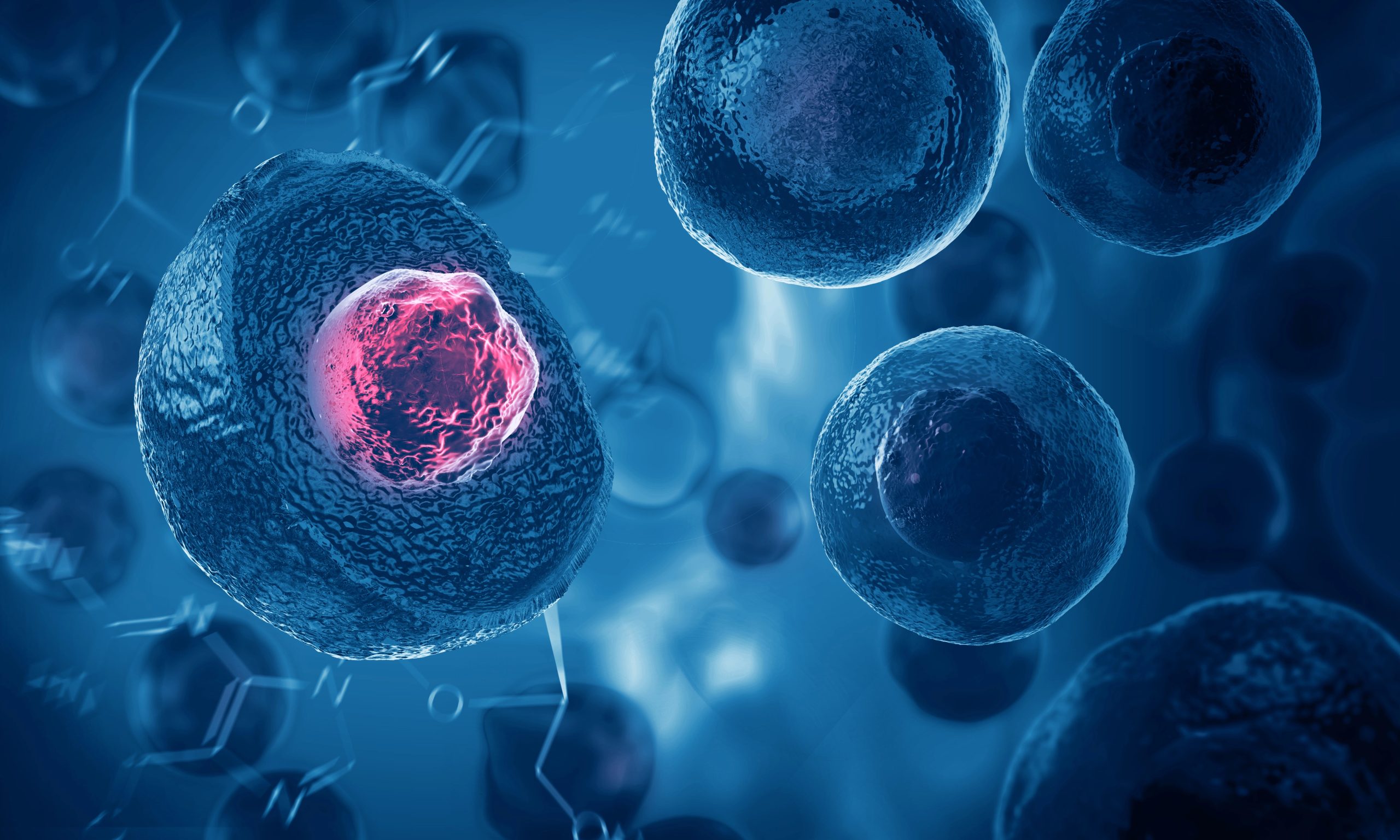
The primary tool in the regenerative toolkit for stroke recovery is the use of signaling cells, such as mesenchymal stem cells (MSCs). It is a common misconception that these cells are injected into the brain to "become" new neurons. In reality, their function is far more complex and relies on paracrine signaling.
When introduced into the system, these cells act as "biochemical factories." They release a variety of trophic factors and exosomes, which are tiny vesicles filled with proteins and genetic instructions, that travel to the site of the injury. These signals work to modulate the immune response, reducing the chronic inflammation that often persists long after the initial stroke.
By "calming" the inflammatory environment, regenerative therapies may create a window of opportunity where the brain is more receptive to rehabilitation and the formation of new neural pathways.
Angiogenesis and Neurogenesis: Building the Infrastructure
For the brain to repair itself, it requires a robust infrastructure. This involves two critical processes: angiogenesis (the formation of new blood vessels) and neurogenesis (the creation of new neurons).
Regenerative treatments are being studied for their ability to stimulate the release of Vascular Endothelial Growth Factor (VEGF). This protein encourages the growth of new capillaries into the damaged zones of the brain, restoring the delivery of oxygen and glucose necessary for high-energy cellular repair.
Simultaneously, signaling molecules can encourage the "migration" of the brain's own resident stem cells to the site of the injury. While the human brain has a limited capacity for self-repair, regenerative "nudges" may help amplify these natural processes, potentially leading to the strengthening of existing circuits and the creation of alternative pathways to bypass the stroke core.
Are Functional Gains a Realistic Goal?
The most important question for any stroke survivor is whether these biological changes translate into functional gains: the ability to walk, speak, or use a hand more effectively. Clinical research in this area is ongoing, but early signals are encouraging.
Current studies often focus on patients in the "chronic" phase of recovery, meaning they are at least six months post-stroke and have plateaued with traditional physical therapy. In many of these cases, patients receiving regenerative interventions have shown measurable improvements in motor scales and daily living activities.
It is important to note that these gains are rarely "miraculous" or instantaneous. Instead, they manifest as a renewed "responsiveness" to therapy. A patient who could not move a finger may gain the slight motor control necessary to begin intensive occupational therapy, eventually leading to a more functional grip.
The Synergy of Biologics and Rehabilitation
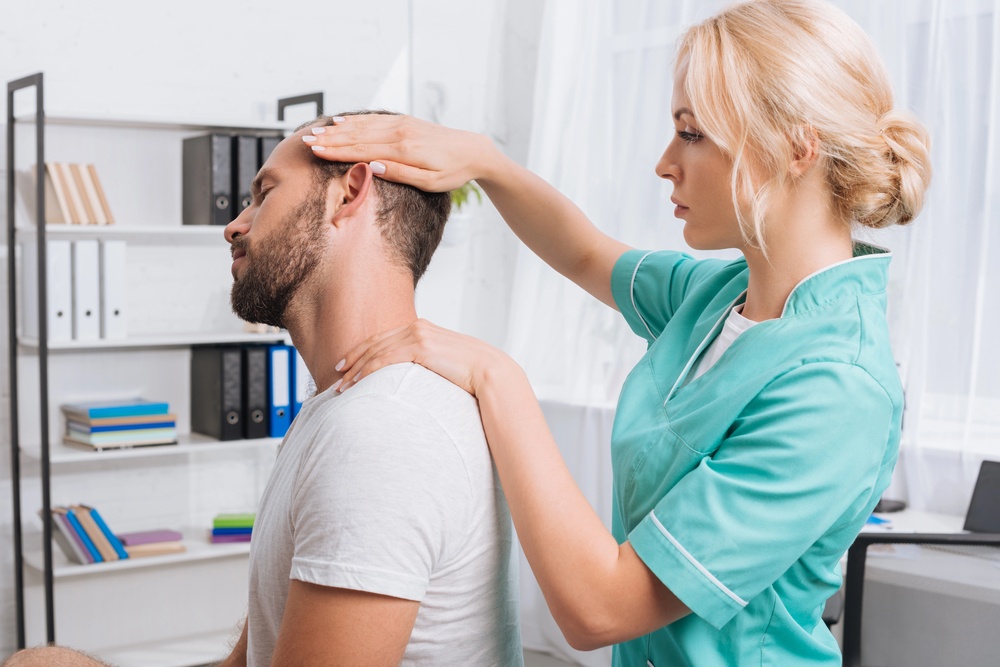
One of the most critical takeaways in modern stroke research is that regenerative medicine is not a replacement for rehabilitation; it is a "primer." For the brain to reorganize itself correctly, it needs the "mechanical" input of physical and speech therapy.
Regenerative biologics can help the brain adapt and reorganize after injury or illness. When combined with repeated physical and cognitive exercises, they encourage the brain to form connections that are functional and meaningful, rather than random.
This combination makes the brain more receptive to change and can support lasting improvements in movement, thinking, and daily function. Using both approaches together shows the most promise for long-term recovery.
Safety, Timing, and the Path Forward
Safety is always the primary consideration in neurological treatments. Most stroke-related regenerative research utilizes allogeneic (donor-derived) mesenchymal stem cells because they can be screened for potency and delivered without the need for an invasive harvesting procedure on a patient who may already be physically fragile.
As the field moves forward, the focus is shifting toward "timing." While the chronic phase shows promise, researchers are also investigating the "sub-acute" window (the days and weeks immediately following a stroke) to see if earlier intervention can prevent the formation of extensive scar tissue in the first place.
Every patient’s brain is unique, and the extent of recovery depends on the location and size of the stroke, as well as the patient’s overall health.
Learn More With Cellebration Wellness
A stroke diagnosis can be or even feel overwhelming, but the science of regenerative medicine is working to prop that door open. While the journey of recovery is long and requires a lot of energy and quality medical support, the ability to help the brain’s innate capacity for change offers a new sense of hope for patients and their families.
At Cellebration Wellness, we are dedicated to staying at the forefront of neurological research and providing the information you need to navigate the future of stroke recovery. We focus on wellness and regenerative approaches inspired by the latest advances in stem cell research
Contact Cellebration Wellness today to learn more about our commitment to excellence in regenerative health. You can reach us online to schedule a consultation or call us at 858-258-5090 to speak directly with a specialist who can help you understand the latest advancements in the field.