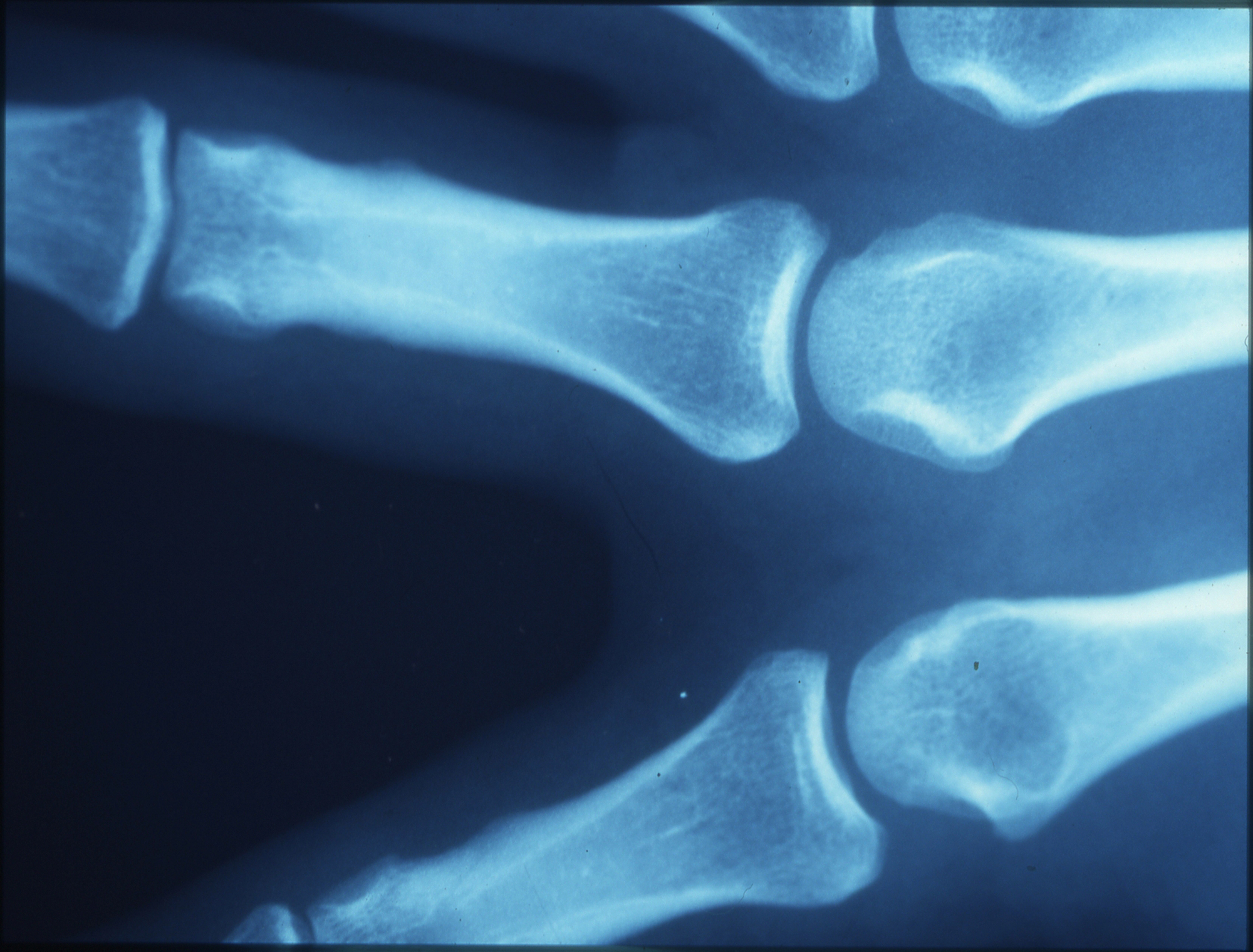
Chronic pain affects millions of people and often persists despite medications, physical therapy, or even surgery. Conditions such as osteoarthritis, degenerative disc disease, tendon injuries, and neuropathy can significantly interfere with mobility, sleep, and overall quality of life. As interest in regenerative medicine grows, many patients are asking: What does research actually say about stem cells and chronic pain?
This article explores the science in a clear, question-based format, grounded in current research and written for easy understanding.
What Is Chronic Pain and Why Is It So Hard to Treat?
Chronic pain is typically defined as pain that lasts longer than three months. Unlike acute pain, which signals injury and fades as healing occurs, chronic pain may continue long after tissues have recovered. In some cases, the nervous system itself becomes sensitized, amplifying pain signals.
Traditional treatments focus largely on symptom management. Anti-inflammatory medications, steroid injections, nerve blocks, and physical therapy can reduce discomfort, but they often do not repair damaged tissue. In more severe cases, opioids may be prescribed, though these carry risks of dependence and side effects.
Because many chronic pain conditions involve ongoing inflammation or tissue degeneration, researchers have explored whether regenerative approaches like stem cell therapy may help address underlying biological processes rather than only masking symptoms.
What Are Stem Cells and How Might They Help with Pain?
Stem cells are unique cells capable of self-renewal and differentiation. In orthopedic and pain-related applications, adult stem cells are typically obtained from bone marrow or adipose (fat) tissue.
Research suggests that the primary benefit of these cells is not simply turning into new tissue, but rather releasing bioactive molecules. These signaling factors may reduce inflammation, stimulate local repair processes, and support healthier tissue environments. In chronic pain conditions, especially those involving joint or disc degeneration, these biological effects may help reduce discomfort and improve function.
It is important to note that stem cell therapy for pain is still considered investigational in many contexts, and protocols vary across providers.
What Does Research Say About Stem Cells for Osteoarthritis?
Osteoarthritis is one of the most extensively studied chronic pain conditions in regenerative medicine. Clinical trials investigating stem cell injections into arthritic joints have shown promising but mixed results. Several studies report reductions in pain and improvements in joint function lasting months to years after treatment. In some cases, imaging studies suggest enhanced cartilage quality or slowed degeneration. However, outcomes can vary depending on patient age, severity of arthritis, cell preparation methods, and study design.
Chronic joint pain associated with inflammation is also common in autoimmune conditions such as rheumatoid arthritis. Researchers are exploring whether stem cells may help regulate immune activity in addition to promoting tissue repair.
While early findings are encouraging, most experts agree that larger randomized controlled trials are needed to determine standardized dosing, long-term safety, and overall effectiveness.
Can Stem Cells Help with Chronic Back Pain?
Degenerative disc disease is a common cause of persistent lower back pain. As spinal discs lose hydration and structural integrity, inflammation and instability can develop.
Preliminary research indicates that injecting stem cells into damaged discs may reduce inflammation and improve pain scores in certain patients. Some small clinical studies show sustained symptom improvement lasting one to two years. However, the number of high-quality, large-scale studies remains limited.
Because spinal procedures involve additional risks, careful patient selection and imaging guidance are essential.
How Do Stem Cells Influence Inflammation in Chronic Pain?
Chronic inflammation is a major driver of long-term pain. Inflammatory molecules can irritate nerves, damage tissue, and perpetuate discomfort.
Laboratory and early clinical studies suggest that stem cells release anti-inflammatory cytokines and growth factors that may help regulate immune activity. Rather than simply blocking inflammation the way traditional anti-inflammatory drugs do, stem cells may modulate immune responses in a more complex and sustained way.
This anti-inflammatory effect is considered one of the primary mechanisms by which stem cells may reduce pain.
Are Stem Cells Safe for Chronic Pain Treatment?
Most studies using autologous stem cells, meaning cells taken from the patient’s own body, report relatively low rates of serious adverse events when performed by trained professionals. Common side effects are typically mild and may include temporary swelling or discomfort at the injection site.
However, long-term safety data are still evolving. Regulatory oversight varies, and not all stem cell procedures are FDA-approved for chronic pain conditions. Patients should seek care from qualified providers who follow evidence-based protocols.
What Are the Current Limitations of Research?
While the potential of stem cells for chronic pain is widely discussed, important limitations remain. Many published studies involve small sample sizes. Some lack control groups or long-term follow-up. Treatment methods also differ significantly between clinics, making comparisons difficult.
Researchers continue to study optimal cell sources, dosages, preparation techniques, and patient selection criteria. Until larger, standardized trials are completed, stem cell therapy should be viewed as an emerging option rather than a guaranteed solution.
Frequently Asked Questions About Stem Cells and Chronic Pain
- Are stem cells approved for treating chronic pain?
Most stem cell treatments for chronic pain are considered investigational. While some procedures use FDA-compliant processing methods, many applications are not formally approved for specific pain conditions. - How long does it take to see results?
Patients who respond may notice gradual improvement over several weeks to months, as regenerative processes take time. - Can stem cell therapy replace surgery?
In some mild to moderate cases, patients may delay or avoid surgery. However, advanced structural damage may still require surgical intervention. - Is everyone a candidate for stem cell therapy?
No. Factors such as age, severity of degeneration, overall health, and the specific pain condition influence eligibility. - How long do results typically last?
Research suggests improvements may last from several months to a few years in certain patients, though long-term data are still being collected. - Are there risks involved?
When performed appropriately, risks are generally low but can include infection, bleeding, or temporary increased pain. - Does insurance cover stem cell therapy for chronic pain?
Most insurance plans do not currently cover investigational regenerative procedures.
Taking the Next Step
Chronic pain can be physically and emotionally exhausting. While research on stem cells and chronic pain continues to evolve, early studies suggest that regenerative approaches may help reduce inflammation and support tissue repair in certain patients.
At Cellebration Wellness, our regenerative medicine specialist provides individualized evaluations focused on addressing the biological causes of persistent pain. To schedule a consultation, call (858) 258-5090 and learn more about advanced regenerative options for chronic pain management.