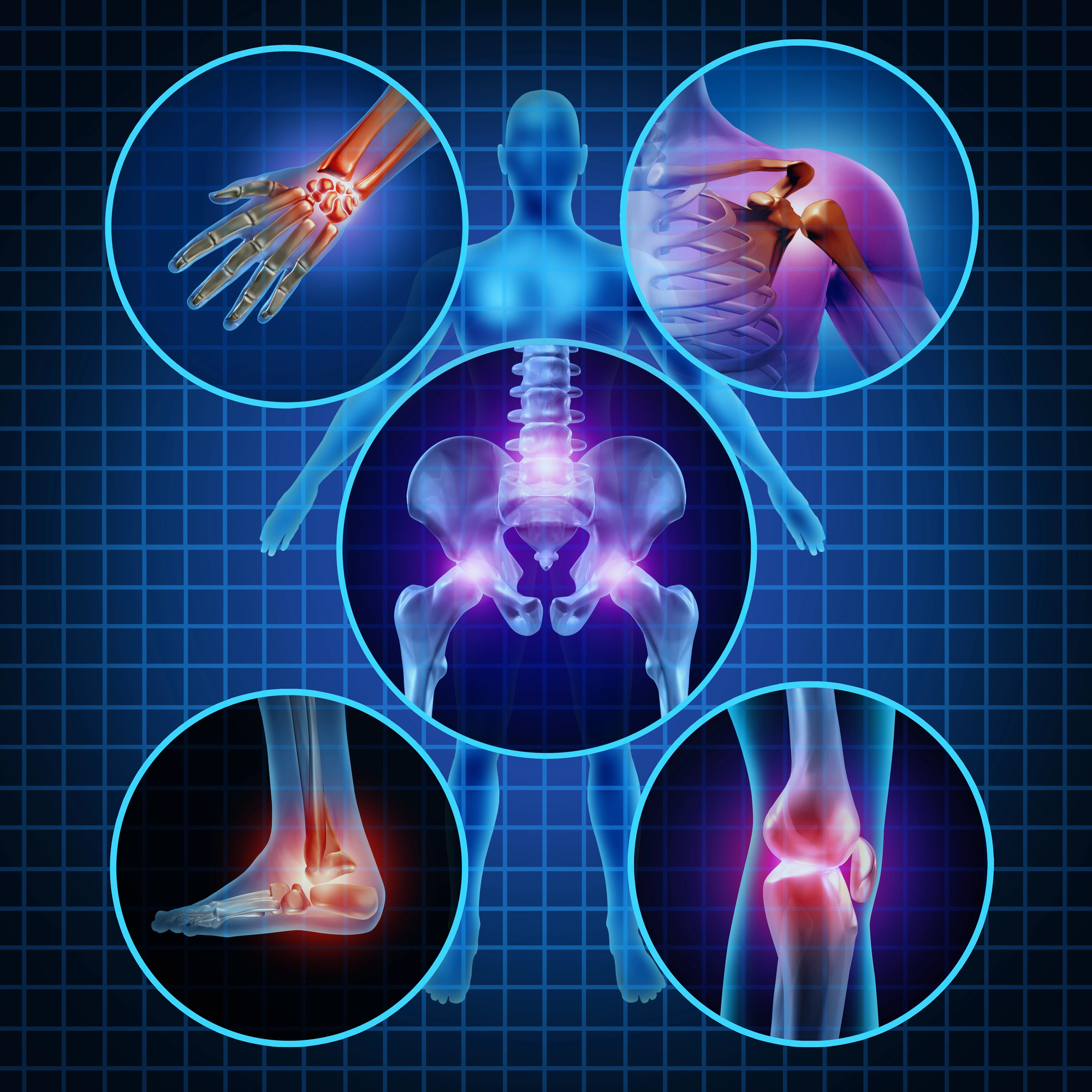
Joint pain is a common condition that can affect people of all ages, often impacting mobility, daily activities, and overall quality of life. Many individuals begin with conservative treatments such as rest, physical therapy, medications, or lifestyle changes. While these approaches can be effective, some patients continue to experience persistent discomfort or limited function.
When conservative treatments do not provide sufficient relief, individuals may begin exploring additional options. Regenerative medicine has emerged as an area of growing interest, with ongoing research examining how the body’s natural repair processes may be supported. Understanding when and how to evaluate these options is an important step in making informed healthcare decisions.
What Are Conservative Treatments for Joint Pain?
Conservative treatments are typically the first line of care for joint pain. These approaches focus on reducing symptoms and improving function without invasive procedures.
Common conservative strategies include rest, activity modification, physical therapy, anti-inflammatory medications, and sometimes corticosteroid injections. These methods aim to reduce inflammation, strengthen surrounding muscles, and support joint stability.
For many individuals, these treatments provide meaningful relief. However, in some cases, symptoms persist despite consistent use of these approaches. This may lead patients to seek further evaluation.
When Do Conservative Treatments Stop Being Effective?
There is no single point at which conservative treatments are considered unsuccessful, but certain signs may indicate that a different approach should be explored.
Persistent pain that does not improve over time, limited mobility that affects daily activities, or recurring inflammation despite treatment may all suggest the need for further assessment. Some individuals may also experience side effects from long-term medication use, making it difficult to continue certain therapies.
For those dealing with joint-related conditions, learning more about underlying causes can be helpful. Educational resources such as this guide on osteoarthritis explain how joint degeneration develops, common symptoms, and how these conditions may progress over time.
A comprehensive medical evaluation can help determine whether additional diagnostic testing or alternative approaches should be considered.
What Is Regenerative Medicine in the Context of Joint Pain?
Regenerative medicine is an area of research focused on understanding how the body repairs and maintains tissues. In the context of joint pain, researchers are studying how biological processes may influence inflammation, tissue health, and recovery.
Some studies have explored how certain cells release signaling molecules and growth factors that may play a role in tissue repair. This has led to increased scientific interest in how these mechanisms might be applied in musculoskeletal conditions.
It is important to note that many regenerative approaches, including those involving stem cells, are still being studied. While early research has shown potential in some areas, further clinical trials are needed to establish effectiveness and long-term outcomes.
What Happens During an Evaluation for Regenerative Options?
When conservative treatments are no longer providing adequate relief, a thorough evaluation is an important next step. This process helps determine whether regenerative approaches may be considered as part of a broader care plan.
The evaluation typically begins with a detailed medical history review, where a provider assesses symptoms, previous treatments, and overall health. This is followed by a physical examination to evaluate joint function, range of motion, and areas of discomfort.
Imaging studies, such as X-rays or MRIs, may be reviewed to better understand structural changes within the joint. These diagnostic tools can help identify issues such as cartilage loss, inflammation, or soft tissue damage.
Another key component of the evaluation is a discussion about personal goals. Patients may want to reduce pain, improve mobility, or return to specific activities. Understanding these goals helps guide the decision-making process.
Education is also an important part of the evaluation. Providers may explain what current research shows about regenerative medicine, including both potential benefits and limitations. This allows patients to make informed decisions based on accurate and balanced information.
How Do Providers Determine the Right Approach?
Choosing the most appropriate path forward depends on several factors, including the severity of joint damage, the underlying cause of pain, and the patient’s overall health.
Providers consider whether symptoms are primarily related to inflammation, structural changes, or a combination of both. They also evaluate how the condition has responded to previous treatments.
Rather than focusing on a single solution, care plans are often individualized. They may include a combination of strategies aimed at improving function, reducing discomfort, and supporting long-term joint health.
Because regenerative medicine is still an evolving field, recommendations are typically made with careful consideration of current clinical evidence.
Why a Comprehensive Evaluation Matters
A thorough evaluation is essential when considering any new approach to managing joint pain. Without a clear understanding of the underlying condition, it can be difficult to determine which options may be appropriate.
Comprehensive assessments help ensure accurate diagnosis, identify contributing factors, and provide a structured plan for moving forward. They also allow patients to develop realistic expectations based on current research.
Taking the time to evaluate all aspects of joint health can lead to more informed and confident decision-making.
FAQs
- When should I consider alternatives to conservative treatments?
If joint pain persists despite consistent use of conservative therapies or if symptoms worsen over time, it may be appropriate to explore additional options through a medical evaluation. - Is regenerative medicine proven to treat joint pain?
Some regenerative approaches are supported by early research, but many are still under investigation. More large-scale studies are needed to confirm effectiveness and long-term safety. - What types of joint conditions are being studied in regenerative medicine research?
Research has explored conditions such as osteoarthritis, tendon injuries, and other musculoskeletal disorders, although findings are still developing. - Do I need imaging before exploring regenerative options?
Imaging is often helpful in understanding joint structure and may be reviewed during the evaluation process. Providers may recommend additional tests if needed. - Can regenerative approaches replace traditional treatments?
In many cases, regenerative approaches are considered as part of a broader care plan rather than a complete replacement for established treatments.
Contact Cellebration Wellness to Learn More About Regenerative Medicine
Interest in regenerative medicine continues to grow as research expands our understanding of how the body repairs and maintains tissues. Ongoing studies are helping to clarify how these processes may influence conditions such as joint pain.
Cellebration Wellness focuses on wellness and regenerative approaches inspired by the latest advances in stem cell research. Educational resources can help individuals better understand current developments and make informed decisions about their health.
To learn more about regenerative health education and current developments in regenerative medicine, contact Cellebration Wellness at (858) 258-5090.