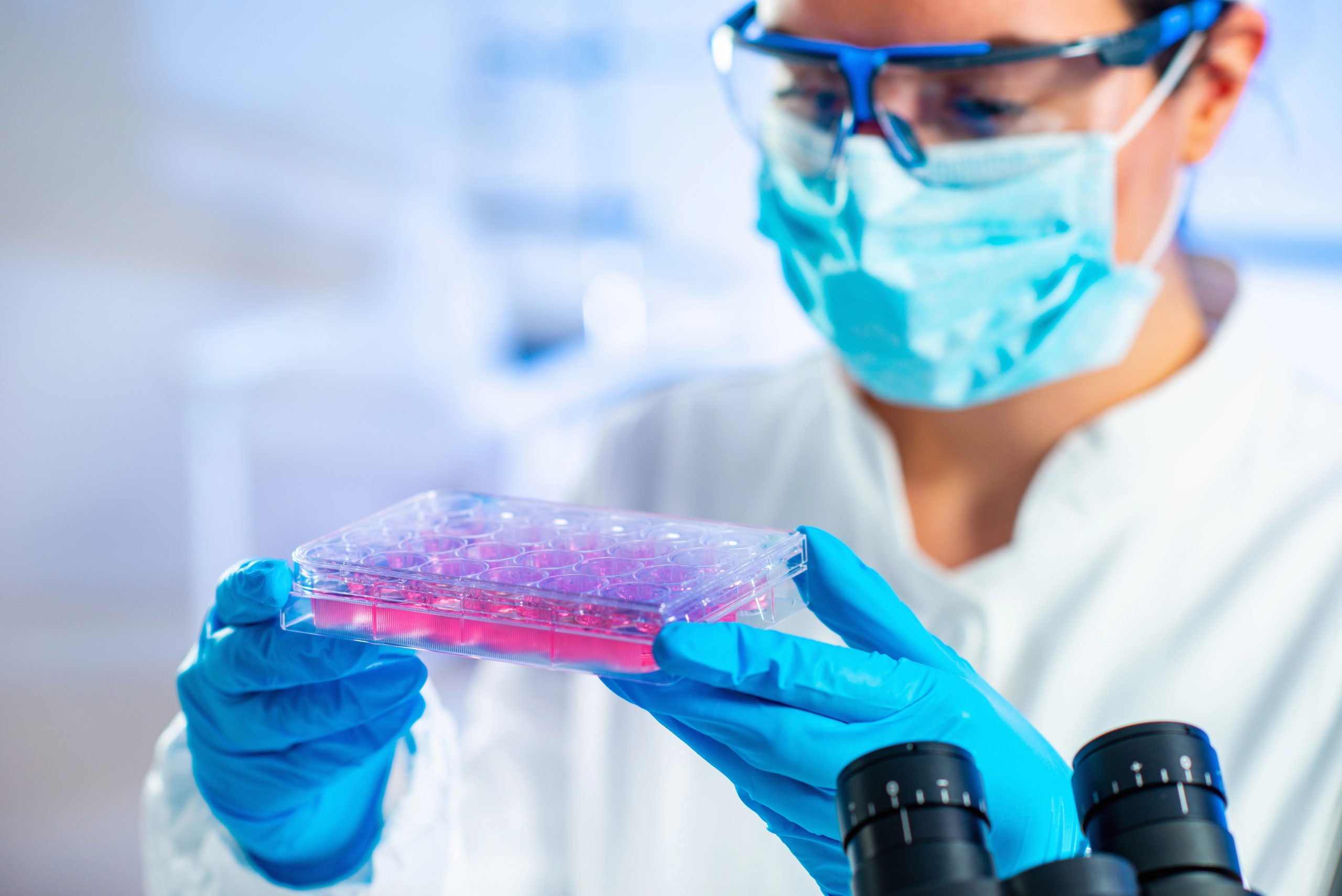
Costa Rica has become a recognized hub for regenerative medicine research, a field focused on helping the body repair or replace damaged tissues using advanced scientific approaches. Researchers worldwide are exploring regenerative medicine for a wide range of conditions, including heart disease, autoimmune disorders, and chronic tissue injuries.
Costa Rica’s strong healthcare systems, ethical research oversight, and collaborative academic environment have positioned it as a leader in this innovative field.
To fully grasp why Costa Rica plays such an important role, it's necessary to review its research infrastructure, healthcare system, educational institutions, and long-term focus on biomedical innovation.
What Is Regenerative Medicine?
Regenerative medicine aims to restore damaged tissues and organs by supporting the body’s natural repair mechanisms. This includes the use of stem cells, growth factors, and tissue engineering techniques. Unlike traditional treatments that may focus on managing symptoms, regenerative medicine addresses the biological processes underlying tissue damage.
For example, in heart disease, researchers study how specialized cells and regenerative therapies may aid in repairing heart tissue. Costa Rica’s work in this area has contributed to global understanding of myocardial tissue regeneration, highlighting its role in advancing practical, patient-focused research.
How Does Costa Rica Support Regenerative Research?
Costa Rica has developed a strong healthcare and research infrastructure that allows scientists to study patients over time and observe long-term outcomes. Its hospitals and research centers collaborate closely with universities, creating an environment where laboratory findings can be tested in clinical settings.
The country's healthcare system emphasizes preventive care and chronic condition management. This provides opportunities to study long-term health effects and the impact of regenerative therapies on conditions like tissue injuries or autoimmune disorders.
What Role Do Universities and Research Institutions Play?
Universities are central to Costa Rica’s regenerative medicine research. Academic programs work with hospitals and private centers to conduct ethical, peer-reviewed studies. This collaboration allows research teams to explore how regenerative therapies may support tissue repair, immune modulation, and inflammation management.
By combining clinical observation with laboratory research, Costa Rican institutions contribute high-quality data that informs global regenerative medicine practices.
Why Are Ethical Standards Important?
Ethical oversight is critical in regenerative medicine due to the experimental nature of many therapies. Costa Rican institutions follow strict guidelines for informed consent, patient safety, and transparency in research outcomes. Ethics committees review all protocols to ensure studies are conducted responsibly.
This focus on ethics ensures patient protection and builds confidence in the validity of research results.
How Is Regenerative Medicine Regulated in Costa Rica?
Research is subject to national regulations and institutional review boards. Protocols must be carefully documented and approved before studies begin.
Ongoing monitoring ensures compliance with safety and ethical standards, making research outcomes credible and reproducible.
What Areas of Regenerative Research Are Studied in Costa Rica?
Research in Costa Rica spans multiple areas, including:
- Cardiac repair and tissue regeneration
- Autoimmune diseases and immune system modulation
- Chronic conditions involving inflammation and tissue deterioration
By combining laboratory investigation with clinical application, Costa Rican researchers generate findings that inform potential therapies for patients worldwide.
How Does Regenerative Medicine Benefit Patients?
Regenerative medicine supports natural repair processes and can improve tissue function in damaged areas. For example, studies on myocardial tissue regeneration explore ways to restore heart function after injury. In chronic conditions, regenerative therapies may help reduce inflammation and support tissue maintenance, complementing standard medical care.
Participation in clinical research can provide patients with early access to emerging therapies while contributing to scientific understanding of regenerative medicine.
What Are the Limitations of Regenerative Medicine?
Despite progress, regenerative medicine is still developing. Outcomes can vary depending on therapy type, patient health, and condition severity. Many therapies are experimental and have not yet been approved for standard use. As a patient, you should approach treatments with realistic expectations and under proper medical guidance.
Costa Rica’s research emphasizes scientific rigor and ethical practice, and regenerative therapies are intended to complement, not replace, conventional treatments.
Ongoing studies in Costa Rica continue to expand knowledge of tissue repair, stem cell behavior, and immune response. Advances in imaging, biomarkers, and cellular biology help identify which patients may benefit most from regenerative approaches.
Costa Rica’s contributions support the development of evidence-based treatments and provide insights that are valuable to researchers worldwide.
Frequently Asked Questions
- Why is Costa Rica recognized in regenerative medicine?
Costa Rica has strong universities, research institutions, and healthcare networks that support credible, ethical regenerative studies. - Are regenerative therapies widely available in Costa Rica?
Some are offered as part of clinical studies, but many remain investigational and are not standard care. - Is Costa Rican research safe for participants?
Yes. Studies follow strict ethical and regulatory guidelines to ensure safety. - What conditions are studied in Costa Rica’s regenerative research?
Research focuses on cardiac repair, autoimmune diseases, chronic inflammatory conditions, and tissue regeneration. - Does regenerative medicine replace conventional treatments?
No. Regenerative approaches are designed to complement, not replace, standard therapies. - How long does it take to see results?
Benefits often develop gradually over weeks or months, depending on the therapy and condition.
If You Want to Learn More, Contact Cellebration Wellness Today
Costa Rica’s leadership in regenerative medicine reflects a strong healthcare system, collaborative research, and high ethical standards. By studying tissue repair, immune modulation, and stem cell applications, researchers contribute to scientific progress that may benefit patients worldwide.
At Cellebration Wellness, we provide education and guidance on wellness and regenerative approaches inspired by the latest advances in stem cell research. Contact us today at 858-258-5090 to learn more.