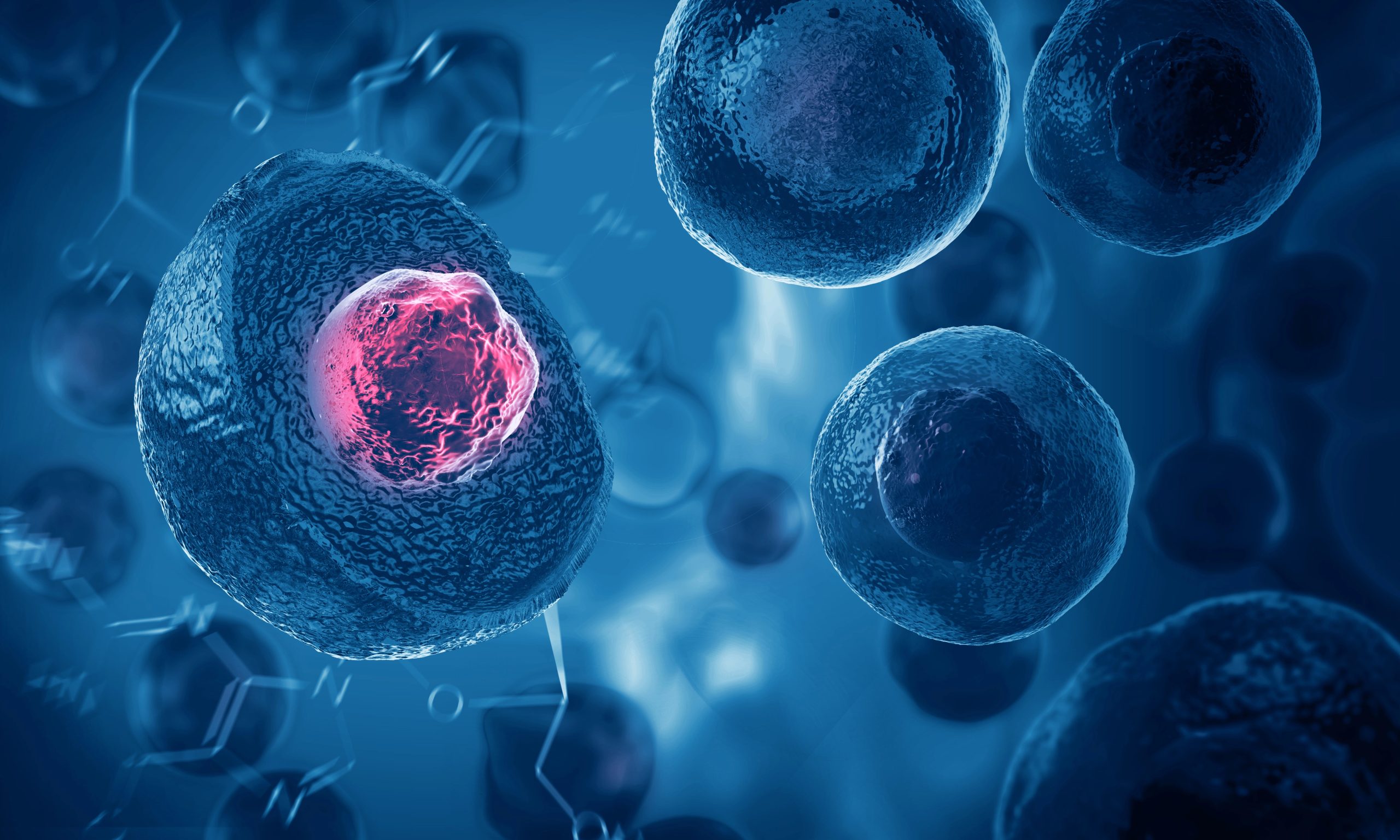
Stem cell research has generated real interest among people living with joint pain, chronic inflammation, autoimmune conditions, and age-related decline.
At the same time, many readers encounter studies or patient reports describing failed stem cell therapy, or situations where stem cell therapy is not working as hoped. These mixed results raise a reasonable research question: why do outcomes vary so widely?
What Does Research Mean When It Describes “Failed” Stem Cell Therapy?
Scientific literature shows that stem cell outcomes variability is not unusual in emerging areas of regenerative medicine. Rather than pointing to a single cause, research suggests a collection of biological, methodological, and patient-specific factors that shape results.
Examining these factors helps clarify what researchers currently know, where evidence is still forming, and why no single outcome should be expected across different studies.
In scientific publications, the word “failed” rarely means harm or worsening. More often, it refers to outcomes that did not reach a predefined goal, such as measurable pain reduction, tissue change, or functional improvement within a set time frame.
Clinical studies rely on specific endpoints. If those endpoints are not met, the intervention may be labeled unsuccessful even if some participants experienced subtle or delayed changes. This distinction matters because biological effects do not always align neatly with study timelines or outcome measures.
When readers encounter reports of stem cell therapy not working, what they are seeing is the limits of how success is defined.
How Does Inflammation Shape Stem Cell Outcomes?
Chronic inflammation appears repeatedly in research on inconsistent stem cell results. Inflammatory environments can alter how cells behave once introduced into the body. Cytokines, immune signaling molecules, and oxidative stress may interfere with cell survival or signaling.
Some studies suggest that when inflammation is high, introduced cells may struggle to persist long enough to influence repair processes. In other cases, inflammatory signals may redirect cell behavior in unpredictable ways. This may help explain why people with advanced inflammatory conditions sometimes show weaker responses than those with milder disease profiles.
Research continues to explore whether reducing systemic inflammation before or during interventions changes outcomes, but evidence remains mixed and context-dependent.
Why Does Age And Biological Health Matter So Much?
Age is frequently associated with variability in regenerative research, though it is not the only factor. As people age, cellular communication, immune response, and tissue repair capacity tend to shift. These changes may influence how responsive tissues are to signaling from stem cells.
Studies involving older populations often show a greater spread in results compared to younger groups. This does not mean that age blocks benefit, but it does suggest that biological readiness differs from person to person. Metabolic health, sleep patterns, stress levels, and nutrient status may further influence how the body responds.
This complexity makes it difficult to predict outcomes based on age alone, reinforcing why researchers avoid uniform expectations.
Do Stem Cell Type And Source Affect Research Results?
Scientific literature distinguishes between embryonic, adult, and perinatal stem cells, such as those derived from umbilical tissue. Each type has different properties related to differentiation potential, immune interaction, and signaling behavior.
Comparing results across studies becomes challenging when different cell sources are used. Even within the same category, cell preparation methods and laboratory conditions vary widely across research settings. These differences may influence cell viability or signaling capacity, leading to inconsistent findings.
Because of this variation, conclusions drawn from one study do not always translate cleanly to another, even when they appear to examine similar questions.
Why Do Study Design And Measurement Methods Affect Reported Success?
How a study is designed often determines how results are interpreted. Some trials focus on imaging changes, others on patient-reported pain scores, and others on laboratory markers. Each approach captures a different aspect of biological response.
Short follow-up periods may miss delayed effects, while longer studies may reveal gradual changes that early assessments overlook. Placebo effects, participant expectations, and reporting bias also shape results, especially in conditions involving pain or mobility.
These factors help explain why some publications describe stem cell therapy not working while others report modest or variable effects under similar conditions.
What Does Current Evidence Say About Expectations Versus Biological Reality?
Stem cell research often intersects with public expectations that outpace available evidence. Cells are sometimes assumed to regenerate tissue directly, yet many studies suggest their primary influence may involve signaling, immune modulation, or environmental support rather than structural replacement.
When expected outcomes are framed around regeneration alone, results may appear confusing. Research increasingly emphasizes nuanced effects that are harder to measure but still biologically meaningful.
This gap between expectation and measurement is a recurring theme in discussions around stem cell therapy and continues to shape how results are interpreted.
Where Is Research Still Limited Or Evolving?
Large-scale, long-term studies remain limited in many areas of regenerative science. Variations in funding, regulatory environments, and research standards across countries also affect the consistency of published data.
Systematic reviews often note that while early findings are promising in some contexts, evidence quality varies and replication remains a challenge. Ongoing work aims to refine study design, improve biological markers, and better account for patient variability.
Learn More About Stem Cell Science With Cellebration Wellness
For those exploring the science behind regenerative research, inflammation, and healthy aging, Cellebration Wellness focuses on wellness and regenerative approaches inspired by the latest advances in stem cell research.
If you would like to explore wellness education, research insights, or schedule a general wellness consultation focused on lifestyle, longevity, and informed health choices, Cellebration Wellness invites you to learn more and continue the conversation.
Contact us at (858) 258-5090 if you are interested in learning more or scheduling a general wellness consultation