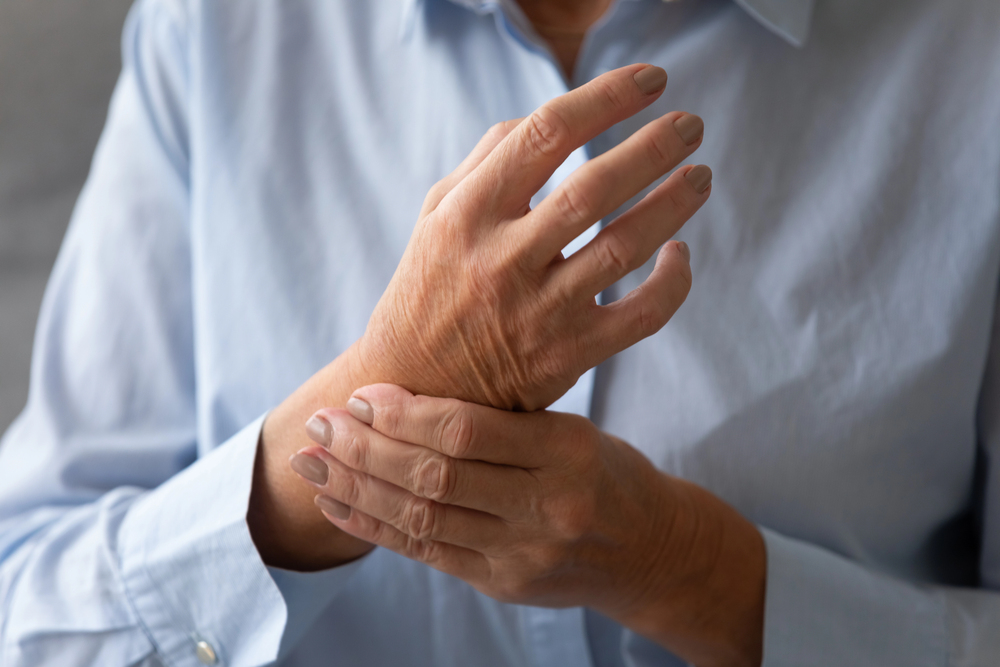
Once blood flow drops below what the body needs, tissues and organs begin to suffer. Ischemic conditions develop when the supply falls too low for normal function. Researchers are studying whether regenerative approaches can support blood vessel repair and improve circulation in affected areas.
By understanding what drives these conditions, patients can take the first step toward learning what science currently offers.
What Are Ischemic Conditions and Why Does Blood Flow Matter?
When part of the body stops receiving enough blood, oxygen, and nutrients, it cannot reach the tissue. This can affect the heart, brain, legs, and kidneys. Without an adequate supply, those tissues begin to break down.
Before long-term damage sets in, the body attempts to compensate on its own. Common ischemic conditions include coronary artery disease, peripheral artery disease, and ischemic stroke. In severe cases, ischemia causes permanent tissue loss.
Because standard treatments do not work for every patient, researchers have explored options beyond medication and surgery. Some people still experience symptoms after conventional care, which has increased interest in approaches that focus on tissue repair.
Poor circulation can also affect daily life in serious ways. People may struggle with pain, weakness, slow healing, or reduced mobility when tissues do not receive enough blood. Over time, these symptoms may limit activity and reduce overall quality of life.
Lifestyle changes and medical intervention remain the first line of care. This gap has pushed interest toward regenerative strategies that support the body’s natural repair processes.
How Does Regenerative Medicine Approach Blood Vessel Repair?
After blood flow drops significantly, the body tries to form new vessels to reroute circulation. Regenerative medicine looks at ways to support and accelerate this process. Research in this area has focused on angiogenesis, the growth of new blood vessels.
Once the right biological signals are present, certain cells release growth factors that help the surrounding tissue respond. These signals may support new vessel pathways in areas with reduced flow, including conditions linked to poor circulation and myocardial tissue damage.
Researchers are also examining how improved cellular signaling may help damaged tissue communicate more effectively. Better signaling may support repair activity in areas where poor blood flow has weakened normal healing. It may also help cells respond to stress caused by low oxygen levels.
Researchers are also studying how regenerative approaches may reduce inflammation in damaged tissue. Lower inflammation may create a better environment for healing. It may also help the body respond more effectively to reduced circulation.
If patients begin exploring options outside their home country, Costa Rica stands out as a destination for regenerative medicine education. Wellness centers there support patient learning and access to information about emerging therapies.
What Does Research Show About Stem Cells and Ischemia?
Since clinical interest in regenerative medicine expanded, studies on stem cells and ischemic conditions have grown steadily. Scientists have examined several cell types for their potential role in vascular repair and tissue regeneration.
When derived from bone marrow and adipose tissue, adult stem cells have produced the most consistent study results. Research has examined how these cells may repair damaged vessels and reduce inflammation in ischemic tissue.
While most early studies focused on cardiac applications, researchers have since explored how these findings apply to other vascular conditions. This broader scope has opened new lines of inquiry into how stem cell activity relates to tissue repair across different organ systems.
Although early studies in myocardial tissue regeneration and peripheral limb ischemia have reported improved blood flow, more trials are still needed. Researchers continue to study which patients benefit most and which delivery methods produce the best outcomes.
Because the field is still evolving, results vary between studies. Broad conclusions remain premature until more clinical evidence becomes available.
Which Conditions Linked to Poor Blood Flow Are Being Studied?
While ischemia is most associated with the heart, researchers have examined regenerative approaches across many other conditions. Key areas of study include stroke recovery, peripheral artery disease, and heart disease.
After circulation drops in joints and surrounding tissue, conditions like osteoarthritis and chronic pain tend to worsen. Diabetes type 2 is closely linked to circulation problems in the lower limbs, and researchers have explored regenerative strategies for diabetic vascular complications.
Since autoimmune conditions can affect circulation, researchers have examined their connection to ischemic tissue damage. Rheumatoid arthritis and lupus involve long-term inflammation, which may place stress on blood vessels and surrounding tissue.
Before regenerative research expanded its scope, conditions like COPD and multiple sclerosis were rarely part of this conversation. Liver disease, spinal cord injury, lupus, and rheumatoid arthritis have also appeared in research as areas of growing interest.
What Should Patients Know Before Exploring Regenerative Options Abroad?
If patients are considering regenerative medicine in Costa Rica, gathering solid information before any decision is essential. Understanding current research helps set realistic expectations and sharpen the right questions.
When a facility does not operate transparently or share clear educational resources, that is a warning sign. Regenerative medicine abroad is not regulated the same way as standard care in the United States. Patients should look for centers that support open conversations with qualified professionals.
Once a shortlist of facilities takes shape, compare how each center explains its educational content and research limits. A reliable center should welcome direct questions about the evidence behind any approach discussed.
Before booking travel, patients should confirm that qualified medical professionals are involved. They should also check whether the center encourages communication with their home physician, so decisions are better informed.
After deciding to explore options abroad, speaking with a doctor familiar with regenerative medicine is a practical first step. Reviewing published research on the specific condition also helps. This background makes it easier to evaluate what a facility claims and understand what science currently supports.
Take the Next Step With Cellebration Wellness
Learning how regenerative science may relate to blood flow and ischemic conditions is an important part of making informed care decisions. Research continues to explore how regenerative approaches may support vessel repair, circulation, and tissue healing alongside standard medical care.
Cellebration Wellness focuses on education and wellness approaches inspired by advances in regenerative science. You can speak with a qualified professional who can help you better understand how these developments may relate to ischemic conditions and your personal health goals.
To learn more about regenerative medicine and wellness education, contact Cellebration Wellness today at (858) 258-5090 or visit us online to schedule a consultation with our clinical team.