Aging athletes often face joint wear that affects performance, mobility, and long-term health. Cartilage, which cushions the joints, does not heal easily once damaged. This makes long-term joint health a major concern for active individuals in places like Costa Rica, where outdoor sports, fitness culture, and year-round activity are common.
Below, we explain how cartilage changes with age, why damage can worsen in active individuals, and what current research says about cell-based approaches to preservation.
What Changes Occur In Cartilage As Athletes Age?
Cartilage naturally becomes thinner and less flexible with age. In younger athletes, cartilage has more water content and a stronger structure, which helps absorb impact during movement. Over time, this structure weakens.
Cells responsible for maintaining cartilage, called chondrocytes, slow down in activity. This means the body produces less of the materials needed to repair daily wear. Small injuries that would heal quickly in younger years may begin to linger.
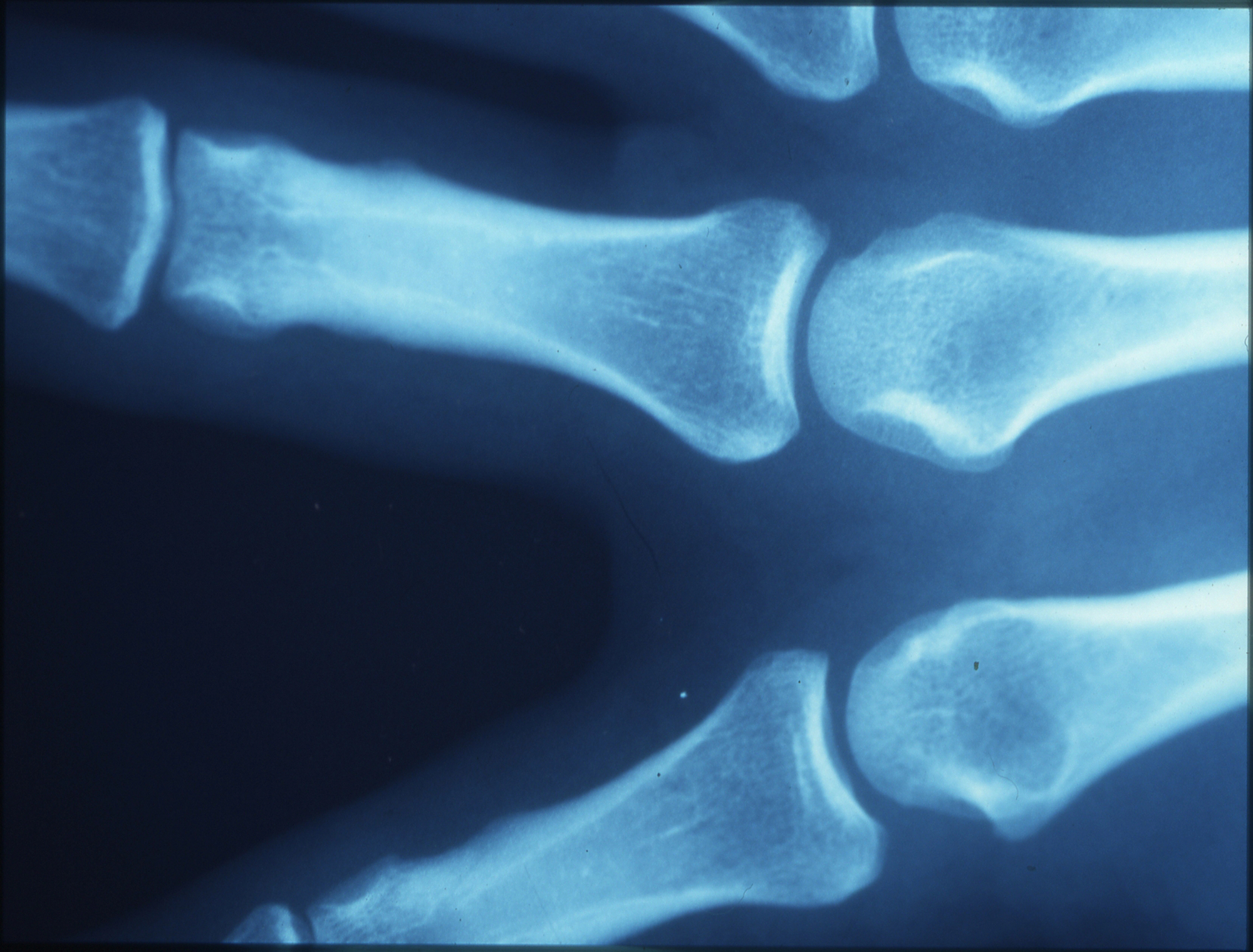
As cartilage loses its smooth surface, friction within the joint increases. This can lead to discomfort during movement and may affect performance over time. The joint may also become less stable, making it harder to maintain the same level of activity.
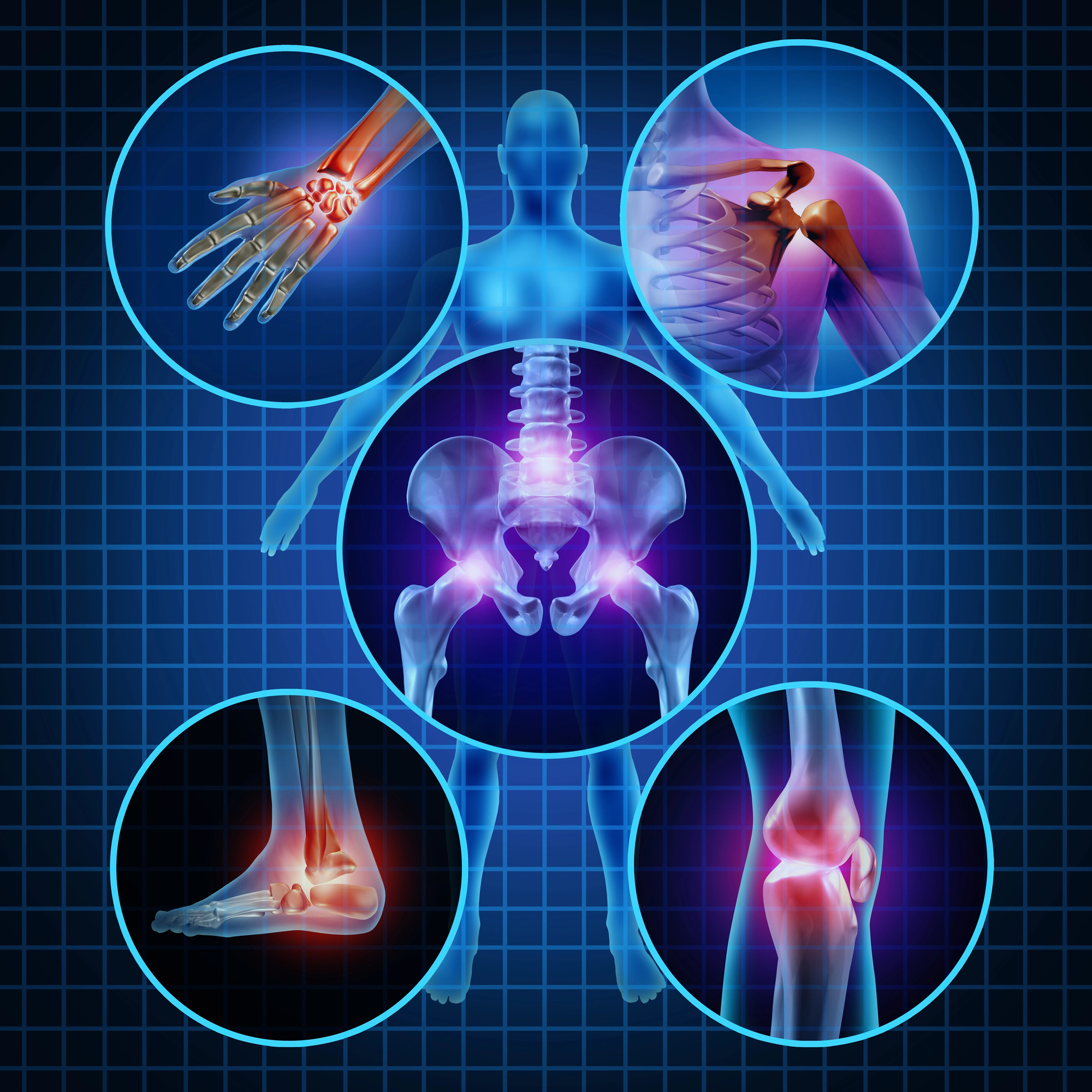
In Costa Rica’s active communities, older athletes who run, surf, or play football may notice more stiffness, reduced mobility, or joint discomfort. These changes are often early signs of cartilage wear and can increase the risk of conditions like osteoarthritis.
How Cell-Based Treatments Aim To Preserve Joint Cartilage In Aging Athletes
Cell-based approaches focus on supporting the body’s natural repair processes. Instead of only managing symptoms, research looks at how certain cells may help reduce inflammation and support tissue repair.
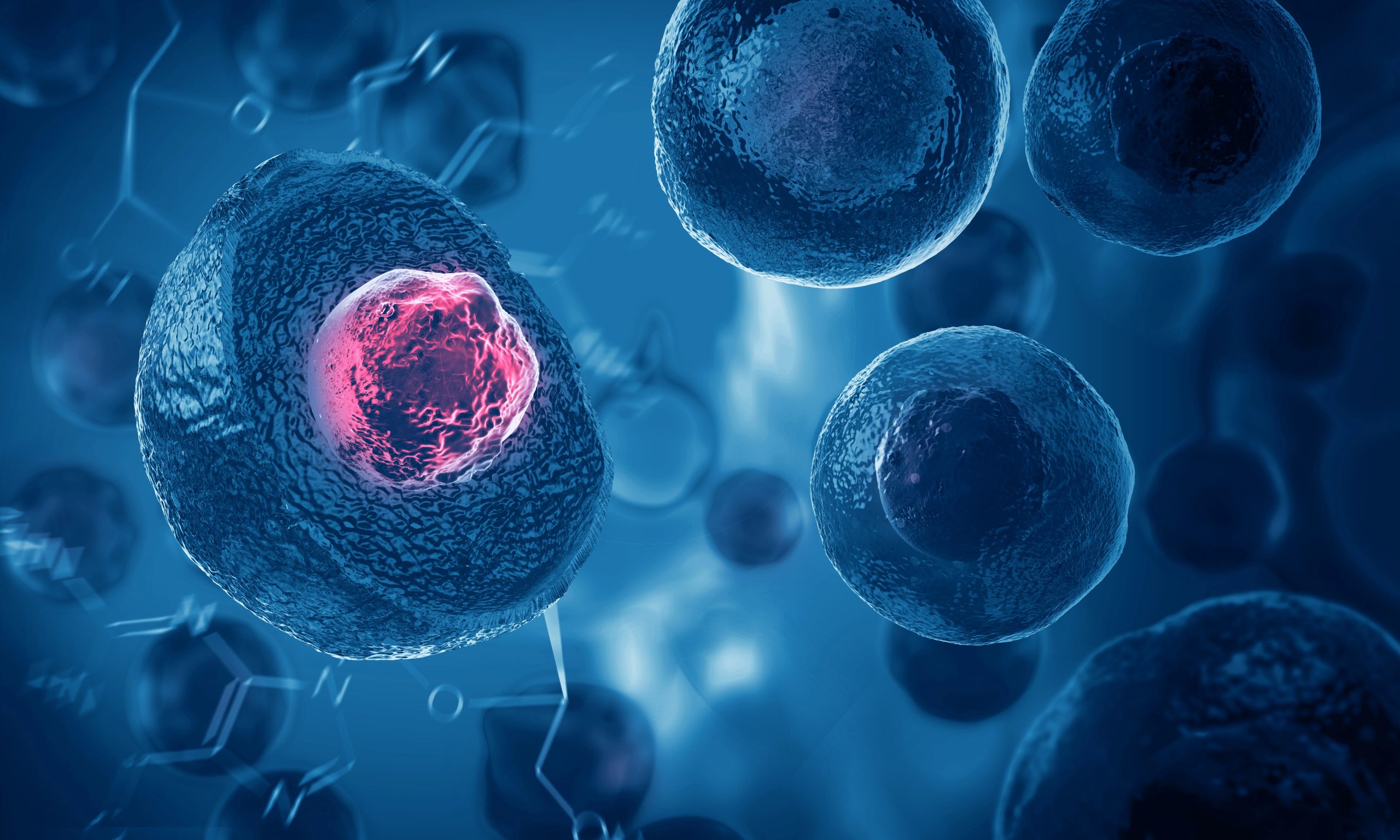
These approaches often involve studying different types of cells, including adult stem cells, which can develop into specialized cells. Research has explored how these cells may release signals that encourage healing within the joint environment.
Some findings suggest these cells support the production of proteins that help maintain cartilage structure over time. Researchers have observed that these cells help regulate immune responses within the joint. In some cases, they may improve the balance of cells responsible for maintaining and breaking down cartilage tissue.
Scientists are also examining how these cells interact with surrounding tissues. The goal is to understand how they may help create conditions that support cartilage maintenance and reduce further breakdown. This approach focuses on improving the joint environment rather than directly replacing damaged tissue.
Do Stem Cell Therapies Improve Cartilage Health In Older Athletes?
Research has shown potential benefits of stem cell therapy for joint-related concerns, especially in early-stage cartilage damage. Some studies suggest these therapies may help reduce pain and improve joint function.
However, results vary depending on the individual, the severity of cartilage damage, and overall health. For example, athletes managing chronic conditions such as rheumatoid arthritis or chronic pain may experience different outcomes compared to those with isolated joint injuries.
Some research also suggests that these therapies may influence inflammation levels within the joint. Lower inflammation may help reduce further cartilage breakdown and support better movement. This effect may be more noticeable in individuals who begin treatment before severe damage occurs.
It is important to understand that stem cell therapy remains an evolving area of research. While early findings are promising, long-term results and standardized treatment methods are still being studied.
Why Cartilage Damage Progresses Faster With Age In Active Individuals
Aging athletes often place repeated stress on joints that have reduced recovery capacity. Over time, this leads to faster breakdown of cartilage compared to less active individuals.
Reduced blood supply to cartilage also plays a role. Unlike other tissues, cartilage does not receive direct blood flow, which limits its ability to repair itself. As the body ages, this limitation becomes more pronounced.
Muscle strength and joint alignment can also change with age. When surrounding muscles weaken, more pressure is placed directly on the joint surface. This added stress can speed up cartilage wear, especially during high-impact activities.
Environmental and lifestyle factors in Costa Rica, such as high-impact sports, uneven terrain, and frequent physical activity, can add to joint stress. Without proper recovery, small areas of damage can expand and lead to long-term joint issues.
What Current Research Shows About Regenerative Approaches To Joint Preservation
Current research focuses on how regenerative strategies may support long-term joint health. This includes studying how cells communicate within the body and how inflammation affects cartilage breakdown. Researchers are also examining how different techniques may influence long-term joint function.
Some studies suggest that regenerative approaches may help create a more balanced joint environment. This could support the body’s ability to maintain cartilage rather than allowing damage to progress unchecked. Ongoing research is evaluating how long these benefits may last.
Researchers are also exploring how these approaches may benefit individuals with broader health concerns, such as type 2 diabetes or autoimmune conditions. These conditions can affect healing and inflammation, which are key factors in joint health.
While research continues, the focus remains on understanding safety, consistency, and long-term outcomes. More clinical trials are needed to confirm effectiveness across different populations.
Can Cell-Based Therapies Slow Cartilage Loss In Aging Athletic Populations?
There is growing interest in whether cell-based therapies can slow cartilage degeneration. Early research suggests they may help reduce inflammation and support joint function, which can indirectly slow cartilage loss.
However, these therapies are not considered a complete solution. Athletes still need to focus on strength training, proper nutrition, and recovery to protect joint health.
Long-term joint preservation often depends on a combination of approaches. Maintaining a healthy weight, improving movement patterns, and allowing enough recovery time between activities can all support cartilage health alongside emerging therapies.
For aging athletes in Costa Rica, combining lifestyle strategies with emerging research may offer the best approach. Staying informed about new developments allows individuals to make better decisions about their long-term health.
Learn More About Cartilage Preservation in Aging Athletes
Understanding how cartilage changes over time is an important step for athletes who want to stay active as they age. Research into cell-based approaches continues to grow, offering new insights into how joint health may be supported alongside standard care.
Cellebration Wellness focuses on education and wellness approaches inspired by advances in regenerative science. Speaking with a qualified professional can help you better understand available options and decide what may fit your needs.
To learn more about cartilage preservation and current developments in regenerative medicine, contact Cellebration Wellness at (858) 258-5090.