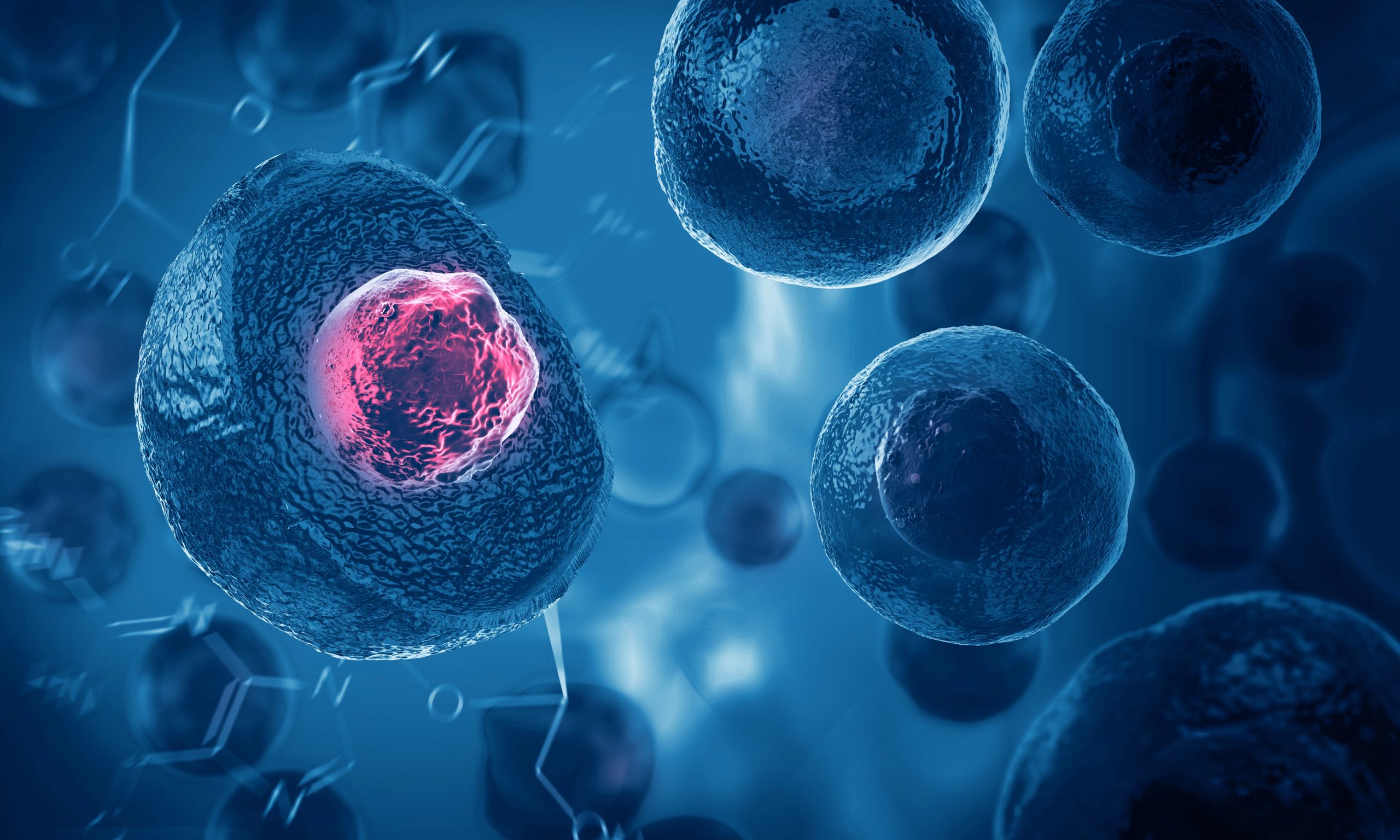
The focus of regenerative medicine has shifted from whether stem cell therapy works to the specific quality of the cells provided. The key to these treatments lies in the rigorous laboratory work performed behind the scenes.
The transition from biological harvest to clinical injection is a high-stakes process. Key variables like laboratory processing and cell expansion directly determine the treatment's potency, purity, and ultimate success. For patients navigating modern cellular therapy, understanding these laboratory standards is essential to ensuring high-quality care.
The Difference Between Concentration and Expansion
To understand quality, one must first understand the two primary ways cells are prepared for clinical use.
Same-Day Concentration (Minimal Manipulation)
In many clinical settings, cells are processed using a same-day model. This involves taking a patient’s own tissue (autologous) and placing it in a centrifuge to separate the regenerative cells from the blood or fat.
While this is a safe and effective method for many localized orthopedic issues, it has a biological ceiling. The dose is limited to whatever concentration of cells is naturally present in the patient's body at that moment. For an older patient or someone with a chronic illness, that concentration may be significantly lower than what is required for systemic repair.
Culture Expansion (The Dose-Response Curve)
Cell expansion is a more sophisticated laboratory process where a small number of harvested cells are placed into a specialized growth medium in a sterile incubator. Over the course of several weeks, these cells divide and multiply.
The primary advantage of expansion is dosage control. Clinical research increasingly suggests a dose-response relationship in regenerative medicine, meaning that for complex conditions like autoimmune disorders or neurological degeneration, a much higher number of cells (often in the hundreds of millions) is required to trigger a systemic healing response. Expansion allows the laboratory to reach these therapeutic thresholds that are impossible to achieve with simple concentration.
The Role of Laboratory Environment: GMP Standards
The quality of a cellular product is a direct reflection of the environment in which it was created. In the laboratory world, the gold standard is Good Manufacturing Practice (GMP).
A GMP-compliant facility is a high-complexity environment where every variable, such as air quality, temperature, humidity, and pressure, is strictly controlled to prevent contamination. When cells are being expanded, they are naked and vulnerable. Without a pristine environment, the risk of introducing bacteria or endotoxins is high. Treatment quality is, first and foremost, about safety and sterility. A clinic that cannot provide documentation of the GMP standards of its laboratory is a significant red flag for treatment quality.
The Impact of Processing on Stemness and Potency
Laboratory processing is not just about numbers; it is about maintaining the biological essence of the cell, often referred to as stemness. Stemness is the ability of a cell to self-renew and to differentiate into the specific tissues the body needs.
If the laboratory processing is too aggressive (using harsh chemicals or excessive centrifugal force), the cells can become stressed. These cells may still be alive, but they lose their signaling potency. They stop releasing the essential anti-inflammatory cytokines and growth factors that drive the healing process. High-quality laboratory processing uses gentle protocols designed to preserve the delicate cell membranes and the internal machinery of the mitochondria, ensuring that when the cells are delivered to the patient, they are in peak metabolic condition.
Characterization: Knowing Exactly What is in the Syringe
One of the most overlooked aspects of treatment quality is Characterization. In a low-quality setting, a stem cell injection might actually contain a high percentage of red blood cells, dead cellular debris, and very few actual Mesenchymal Stem Cells (MSCs).
Quality laboratory processing includes a step called Flow Cytometry. This is a laser-based technology that counts and identifies individual cells based on specific markers on their surface. A high-quality lab will provide a Certificate of Analysis for each batch of cells. This report tells the clinician:
- Total Nucleated Cell Count: How many cells are there?
- Viability: What percentage of those cells are actually alive? (Ideally >90%)
- Purity: What percentage of those cells are the target MSCs?
- Sterility: Is the sample free of aerobic and anaerobic bacteria?
Without this data, the results will be predictably inconsistent.
The Growth Medium: What Are the Cells Eating?
During cell expansion, the cells must be fed. The growth medium is the soup of nutrients, minerals, and growth factors that allow the cells to multiply. Historically, many labs used Fetal Bovine Serum (FBS). However, in 2026, high-quality processing has shifted toward Xeno-free (animal-free) or Human Platelet Lysate (HPL) media.
The choice of medium affects treatment quality in two ways. First, it reduces the risk of an immune reaction to foreign animal proteins. Second, certain media prime the cells to be more effective. For example, some laboratories precondition cells in a low-oxygen (hypoxic) environment, which mimics the conditions of an injury site in the human body. This training makes the cells more resilient and ready to act the moment they are injected.
Passage Number: The Age of Expanded Cells
When cells are expanded, they go through passages. Each time they fill a culture flask and are moved to a larger one, that is a passage. While expansion is necessary to reach high doses, there is a limit. If cells are expanded through too many passages (usually beyond passage 4 or 5), they begin to undergo senescence.
Senescence is essentially cellular aging. The cells become larger, stop dividing efficiently, and, most importantly, their signaling profile changes. They can even become pro-inflammatory. High-quality laboratory processing ensures that cells are harvested at an early passage to ensure they retain their youthful, pro-regenerative vigor.
Book a Consultation With Cellebration Wellness
As regenerative medicine continues to evolve, the laboratory is emerging as the true engine of clinical success. You can have the most skilled physician in the world, but if the biological product they are injecting has been compromised by poor processing, low viability, or excessive aging in a culture flask, the results will suffer.
At Cellebration Wellness, we understand that behind every successful patient outcome is a laboratory team dedicated to the highest standards of cellular integrity. We believe that by prioritizing laboratory excellence, we are not just providing a treatment; we are providing the body with the best possible chance to heal itself.
If you are considering regenerative therapy and want to learn more about the laboratory standards that will define your outcome, we invite you to reach out. Contact Cellebration Wellness today at 858-258-5090 or schedule a consultation with our specialist team here. The quality of your cells is the quality of your future.