What Are Exosomes? The Body's Intelligence Network
To understand exosome therapy, you first have to understand how cells talk to each other. For a long time, scientists believed that stem cells worked by physically transforming into new tissue, for example, a stem cell turning into a cartilage cell. While this can happen, we now know that the primary way stem cells promote healing is through "paracrine signaling."
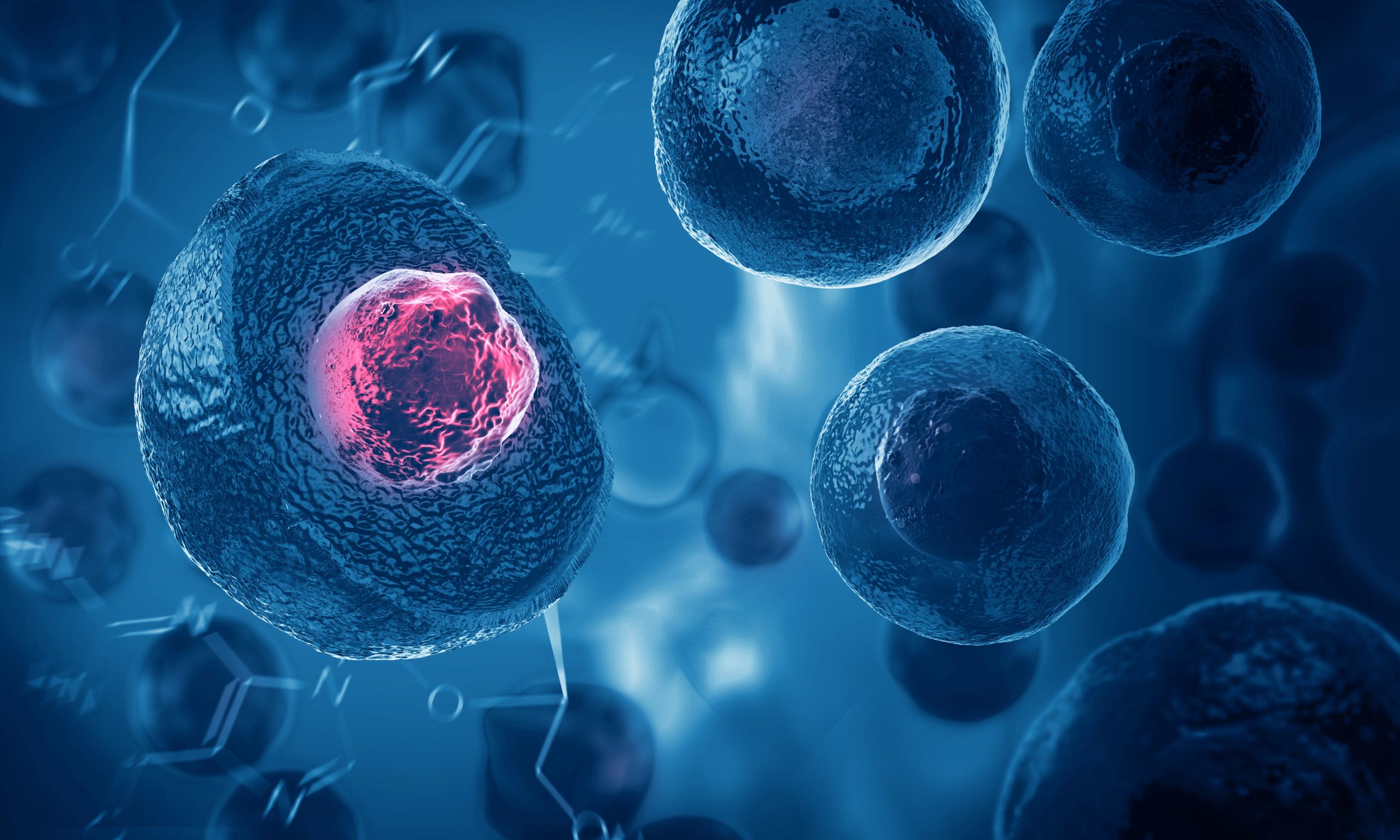
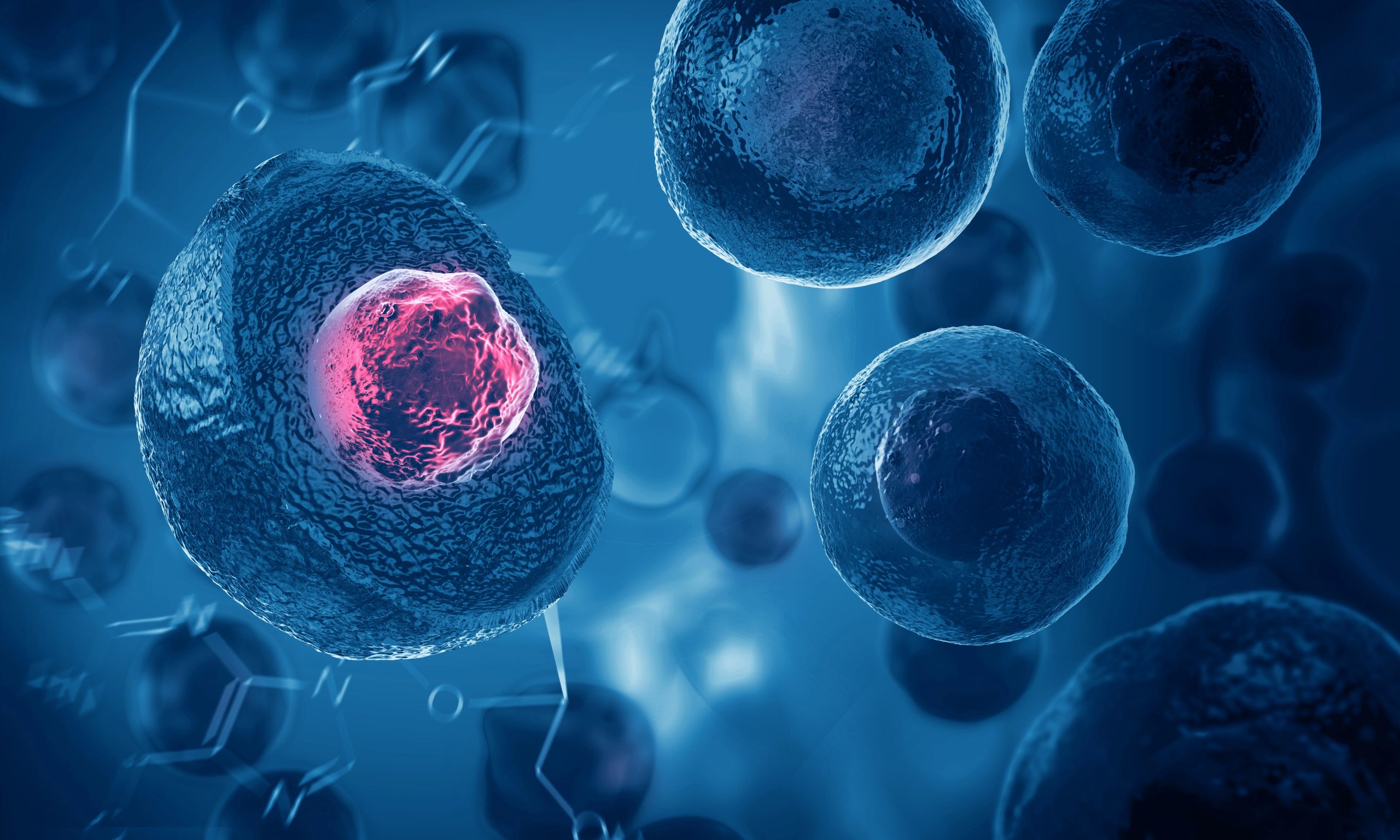
Exosomes are the primary vehicles for this signaling. They are microscopic, membrane-bound vesicles secreted by cells (including mesenchymal stem cells). Think of them as tiny "envelopes" packed with biological instructions, including proteins, lipids, and genetic material like mRNA and miRNA.
When a stem cell senses an injury, it releases these exosomes, which then travel to target cells to deliver a specific message: "stop the inflammation," "increase blood flow," or "start rebuilding collagen." By bypassing the need for the cell itself and focusing on the message, we can directly influence the behavior of damaged tissues, making this a highly efficient method of localized repair.
The Core Difference: Cellular vs. Acellular
The most fundamental difference between the two therapies is that stem cell therapy is cellular, while exosome therapy is acellular.
Stem Cell Therapy: This involves the use of living cells. Because they are alive, stem cells are dynamic; they can respond to their environment, sense different types of tissue damage, and remain in the body for a period of time. However, because they are living "entities," they require specific handling, have a limited shelf life, and carry a (very small) risk of being recognized by the host's immune system if they are donor-derived.
Exosome Therapy: This utilizes only the signaling packages produced by the cells, not the cells themselves. Because there is no living genetic material or cellular membrane, exosomes are not "alive." This makes them highly stable and virtually eliminates the risk of an immune rejection or the formation of unwanted tissue types. This stability allows for easier storage and transport, ensuring that the biological instructions remain intact until the moment they are delivered to the patient.
Concentration and Potency: The "Direct Message" Advantage
One reason exosome therapy has gained such traction in 2026 is its sheer potency. When a patient receives a stem cell injection, the body relies on those cells to wake up and start producing signals. There is a lag time, and the volume of signals produced depends on the vitality of those specific cells.
In contrast, exosome therapy provides a concentrated blast of instructions all at once. Manufacturers can harvest exosomes from billions of young, healthy stem cells (usually from tissue) and concentrate them into a single dose. This means a single exosome treatment can contain billions of signaling vesicles, far more than a standard same-day stem cell harvest could ever produce.
For patients dealing with acute inflammation or looking for rapid recovery, this high-dose "direct message" can be incredibly effective, providing an immediate biological prompt to begin the healing process.
Safety and Regulatory Considerations
Because exosomes are acellular, they bypass many of the biological concerns associated with live cell therapies. They do not have the capacity to replicate, which removes the theoretical risk of tumor formation (though this risk is already extremely low with mesenchymal stem cells). Additionally, exosomes are much smaller than cells (about 1/1000th the size), allowing them to easily cross the blood-brain barrier and move through the tiniest capillaries.
From a regulatory standpoint, exosome therapy is under intense scrutiny. In many regions, they are categorized differently from live cells, often as "biologics" or "drug products." For patients, this means it is vital to work with a clinic that uses exosomes derived from registered laboratories that perform rigorous testing for purity, concentration, and the specific "cargo" of the vesicles.
Clinical Applications: When to Choose Which?
Choosing between stem cells and exosomes often depends on the clinical goal.
Orthopedic Structural Issues: For conditions like advanced joint degeneration or spinal disc issues, live stem cells are often preferred. The presence of the cells provides a "scaffold" and a long-term signaling presence that is better suited for structural remodeling over several months.
Systemic Inflammation and Aesthetics: Exosomes are often the primary choice for systemic inflammatory conditions, skin rejuvenation, and hair restoration. Their small size allows them to penetrate tissues deeply and deliver an immediate anti-inflammatory "reset." In aesthetics, exosomes are frequently used to dramatically speed up recovery after laser treatments or microneedling. This localized, high-intensity signaling helps the skin or hair follicles recover with improved texture and health in a fraction of the time compared to traditional healing methods.