For patients traveling abroad for regenerative therapy, the treatment itself is often easier to plan than what comes afterward. Flights, clinics, and protocols have clear logistical solutions. The bigger question begins on the trip home: what happens next?
Follow-up care is not secondary to treatment; it is often what determines whether the therapy leads to lasting improvement. Cell-based therapies begin a biological process, and the weeks and months after treatment are when those effects start to develop and become measurable. Proper monitoring during this period is essential.
Understanding what effective follow-up care should look like is one of the most important things a prospective patient can know before ever boarding a plane.
The Biology of the Post-Treatment Window
To understand why follow-up matters, it helps to understand what happens biologically after a stem cell infusion.
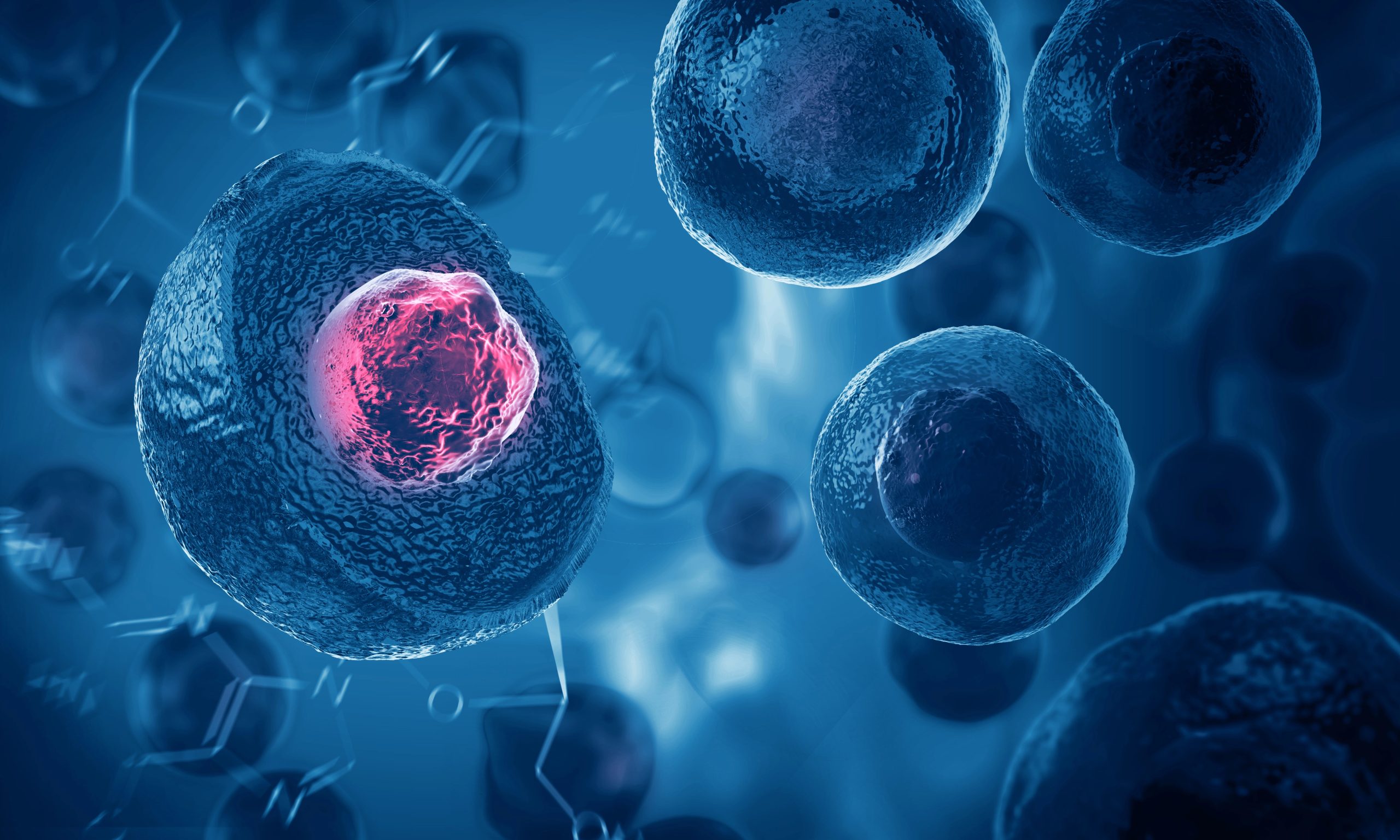
Mesenchymal Stem Cells (MSCs) do not produce immediate results. After administration, they begin migrating to areas of inflammation or tissue damage, releasing anti-inflammatory and regenerative signaling factors, and modulating the immune environment. These effects unfold gradually over weeks to months rather than in a straight line.
Many patients experience mild fatigue or discomfort shortly after treatment as the immune system responds to the introduced cells. Longer-term changes, including shifts in inflammation, pain, and functional capacity, develop more slowly and require structured monitoring to interpret properly.
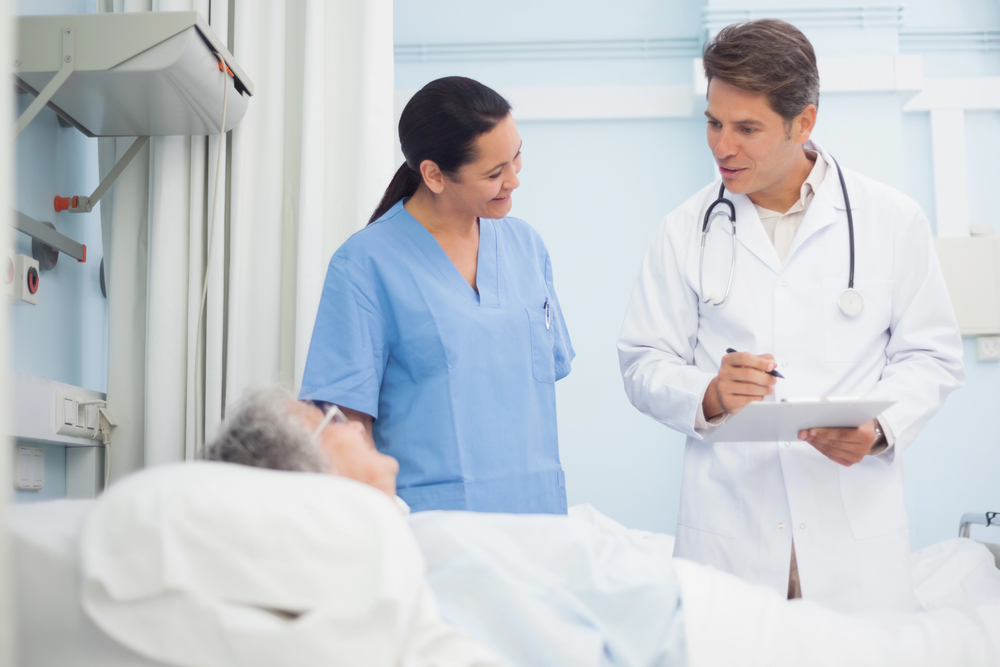
Without follow-up, patients are left to judge symptoms on their own. With it, clinical teams can track progress, identify concerns early, and evaluate recovery within the context of the specific treatment provided.
What a Structured Follow-Up Protocol Looks Like
Reputable overseas clinics do not end their relationship with a patient once treatment is complete. Strong follow-up protocols include several key components.
- Immediate post-treatment guidance: Patients should leave with clear instructions on activity restrictions, diet, medications to avoid, and warning signs to watch for. After MSC therapy, for example, patients are often advised to avoid NSAIDs early on because the inflammatory response is part of the therapeutic process.
- Short-term remote check-ins: Video consultations or patient communication channels in the first few weeks allow clinicians to monitor recovery, answer questions, and identify concerns before they escalate.
- Laboratory monitoring: For systemic conditions, scheduled bloodwork helps track inflammatory markers and measure whether the intended biological changes are occurring over time.
- Imaging and functional reassessment: For orthopedic, pulmonary, or neurological conditions, follow-up imaging and functional testing provide objective evidence of progress alongside patient-reported outcomes.
- Coordination with domestic physicians: The best clinics provide detailed treatment records, including cell source, dose, preparation method, and delivery route, so local physicians can support ongoing care. Without this coordination, patients are often left navigating between disconnected healthcare systems.
Navigating the Domestic Healthcare System After Overseas Treatment
Returning home after regenerative therapy abroad requires a degree of proactive communication that most patients are not fully prepared for. The domestic medical system, particularly in the United States, has limited infrastructure for integrating overseas regenerative protocols into ongoing care, not because the treatments are unrecognized clinically, but because the regulatory framework has not kept pace with international science.
This means the patient often becomes the bridge. Having thorough documentation from the treating clinic (the kind that explains not just what was done but why, in language a domestic physician can evaluate) is the foundation of productive post-treatment coordination. A primary care physician who understands the protocol, even if they did not administer it, is a valuable partner in monitoring the patient's recovery trajectory and ordering the follow-up labs and imaging that the treating clinic recommends.
For patients dealing with complex or systemic conditions, this coordination is not optional. It is the difference between a follow-up plan that works and a patient who slips through the clinical gap between international treatment and domestic care.
The Role of Lifestyle in Post-Treatment Outcomes
Follow-up care is not only the clinic’s responsibility. A patient’s habits in the weeks and months after treatment can significantly affect outcomes.
Nutrition that supports lower inflammation, including fewer processed foods and more omega-3s, vegetables, and protein, helps create a better environment for regenerative processes. Sleep and stress management also matter because cortisol levels directly influence inflammation.
Physical activity must be carefully balanced. Too little movement can limit tissue remodeling, while too much stress too early can disrupt recovery. Post-treatment activity guidelines are typically tailored to the specific tissues being treated.
For patients with systemic conditions, managing energy and respecting fatigue during recovery is especially important. MSC-driven immune recalibration is metabolically demanding, and overexertion during this period may slow or reduce the overall response.
Why Follow-Up Care Is Part of the Treatment, Not an Addition to It
The most important reframe any patient traveling overseas for regenerative therapy can make is this: follow-up care is not what happens after treatment. It is part of the treatment itself.
Cell-based therapies initiate a biological process that unfolds over months. That process can be supported, monitored, and optimized, or it can be left unmonitored, with outcomes that are correspondingly more variable and less predictable. The clinics that produce the best long-term results are not simply those with the most sophisticated cell preparations. They are the ones who treat the post-treatment window with the same clinical rigor as the infusion itself.
For patients considering international regenerative therapy, the quality of a clinic's follow-up infrastructure is one of the most important questions to ask during the evaluation process, as important as the cell source, the delivery protocol, and the physician's credentials. As we outline in our overview of how stem cell therapy is transforming lives, lasting outcomes are built not just on the science of what is administered, but on the continuity of care that surrounds it.
Get in Touch With Cellebration Wellness
At Cellebration Wellness, we believe that a patient who travels to Costa Rica for treatment and returns home to silence has not received complete care. Our follow-up protocols are built into every treatment plan from the first consultation, because we understand that what happens after the infusion is where the real story of recovery is written.
If you are considering regenerative therapy and want to understand exactly what a responsible, structured treatment journey looks like from first consultation to long-term follow-up, we are here to walk you through it. Contact Cellebration Wellness today at 858-258-5090 to schedule your consultation.