Traumatic brain injury (TBI) can lead to long-term changes in memory, mood, movement, and overall function. Because the brain has a limited capacity to repair itself after injury, researchers have been exploring whether stem cells might support recovery in meaningful ways.
Over the past two decades, studies have examined different types of stem cells and how they interact with injured brain tissue. The results are mixed. Some findings suggest modest improvements in certain functions, while others show limited or no measurable benefit. This range of outcomes has led to ongoing discussion about why stem cell outcomes variability is so common in TBI research.
What Have Clinical and Preclinical Studies Reported So Far?
Research has reported both encouraging signals and inconsistent results. Some studies show improvements in neurological function, while others do not show clear changes compared to standard care.
In animal models, stem cells have been linked to reduced inflammation and partial recovery of motor or cognitive function. These findings helped support early human trials. In small clinical studies, some participants have shown improvements in areas like attention, processing speed, or quality of life.
At the same time, other trials report minimal differences between treated and untreated groups. This has raised questions about whether certain results reflect true biological effects or natural recovery patterns that occur after brain injury.
For a deeper look at how regenerative science is being explored in different conditions, readers often review educational material such as this page on stem cell research and wellness science.
Why Do Stem Cell Outcomes Vary So Much in Brain Injury Research?
Stem cell outcomes variability is influenced by many factors, including the type of injury, timing, and individual biology. No two brain injuries are exactly alike, which makes consistent results difficult to achieve.
The severity and location of the injury can affect how the brain responds. A mild concussion differs greatly from a severe TBI involving widespread damage. Age, overall health, and the body’s inflammatory response may also shape how any intervention affects recovery.
Another challenge is that studies often use different research designs. Variations in cell type, study duration, and outcome measures can make it difficult to compare results directly. This variability is one reason why some studies appear promising while others show limited change.
What Happens When Stem Cell Therapy Is Not Working?
In some cases, studies report little to no improvement after intervention. When stem cell therapy is not working, researchers look closely at possible explanations rather than assuming a single cause.
One possibility is that the cells do not survive long enough in the injured environment. The brain after trauma can be highly inflamed, which may limit how cells function or integrate. Another possibility is that the timing of the intervention matters. Some studies suggest that early or delayed application may lead to different outcomes.
There are also situations where improvements are too small to measure clearly. Subtle biological changes may not translate into noticeable functional gains, especially in short-term studies.
How Do Researchers Interpret Failed Stem Cell Therapy Results?
Reports of failed stem cell therapy are part of the research process and help refine future studies. These outcomes are often used to adjust study design, patient selection, or evaluation methods.
Rather than viewing these results as definitive failures, researchers often treat them as data points. For example, a study that shows no improvement may still reveal useful information about dosing ranges, timing, or patient characteristics that influence response.
Scientific progress in this area tends to move gradually. Each study, whether positive or negative, adds to a larger body of evidence that shapes future research directions.
What Biological Effects Are Scientists Studying in TBI?
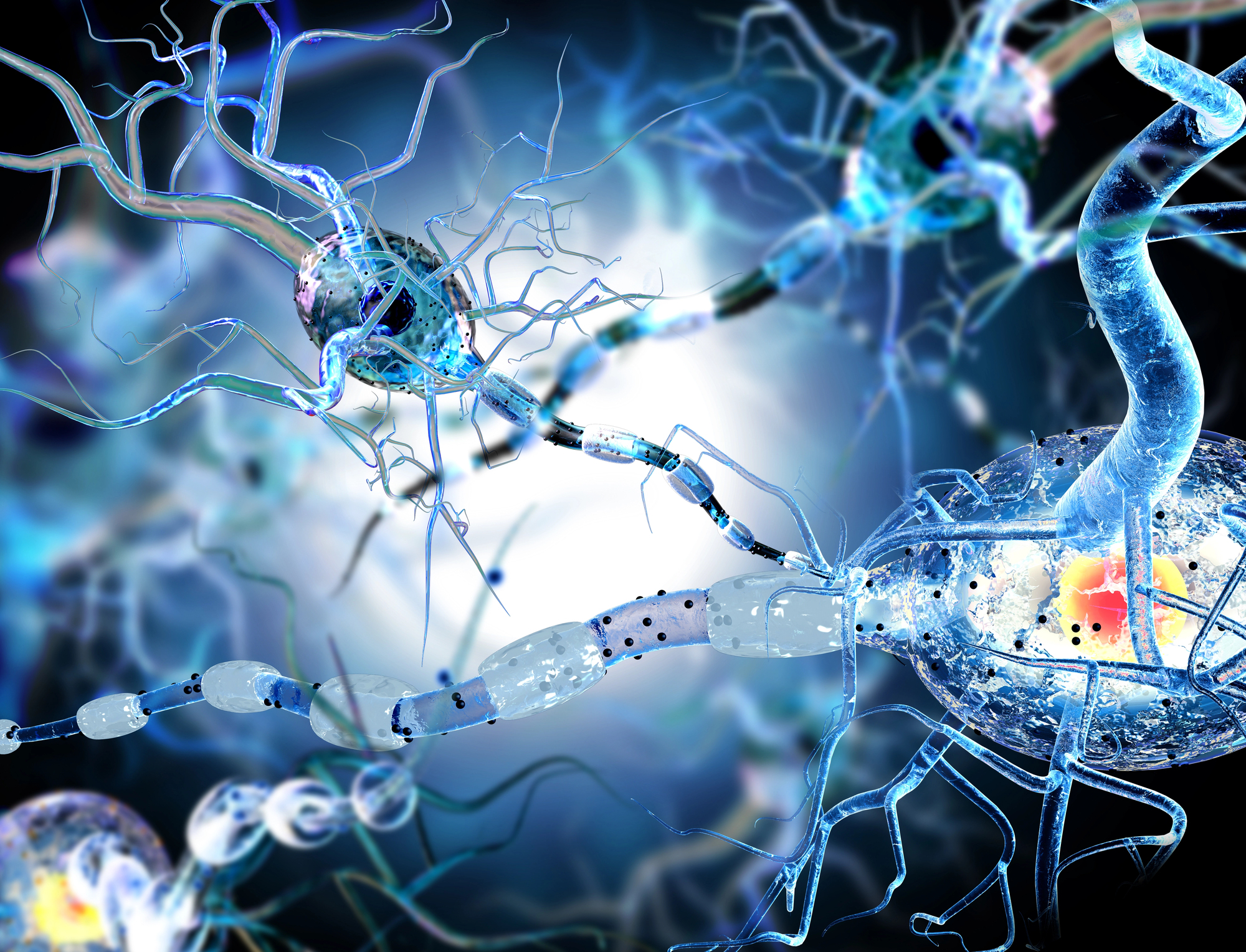
Researchers are not only looking at functional outcomes but also at biological changes in the brain. Stem cells are studied for their potential to influence inflammation, cell signaling, and tissue repair.
Some studies suggest that stem cells may release signaling molecules that affect how the brain responds to injury. These signals may help reduce inflammation or support the survival of existing brain cells. Others explore whether stem cells can encourage the formation of new neural connections.
However, these effects are not consistently observed across studies. The complexity of the brain and the variability of injuries make it difficult to predict how these processes will unfold in each case.
Are There Patterns in Which Patients See Better Results?
Some research suggests that certain groups may respond differently, but clear patterns are still emerging. Factors like age, injury severity, and timing appear to influence outcomes, though findings are not uniform.
For example, individuals with moderate injuries may show different responses than those with severe damage. Similarly, younger individuals may have different recovery potential compared to older adults. These patterns are still being studied and are not consistent enough to draw firm conclusions.
The variability highlights how complex TBI recovery is. It also explains why expectations around stem cell therapy not working in some cases are part of ongoing research rather than isolated outcomes.
What Questions Remain Unanswered in Current Research?
Many questions remain about how stem cells interact with the injured brain and why results differ across studies. Researchers continue to explore how to design studies that better capture meaningful changes.
Long-term outcomes are one area of interest. Some studies follow participants for months, while others extend for years. Differences in follow-up periods can affect how results are interpreted.
Another open question involves how to measure recovery. Improvements in daily life may not always align with standard clinical tests. This makes it challenging to evaluate progress consistently across studies.
Continue Exploring Stem Cell Research and Wellness Education With Cellebration Wellness
For individuals interested in learning more about regenerative science, brain health, inflammation, and age-related conditions, Cellebration Wellness provides educational content grounded in current research and evolving scientific perspectives.
If you would like to explore research insights, expand your knowledge on wellness topics, or schedule a general wellness consultation focused on long-term health and informed lifestyle choices, Cellebration Wellness encourages you to continue your learning journey.
To learn more or speak with someone about general wellness education, contact Cellebration Wellness at (858) 258-5090.