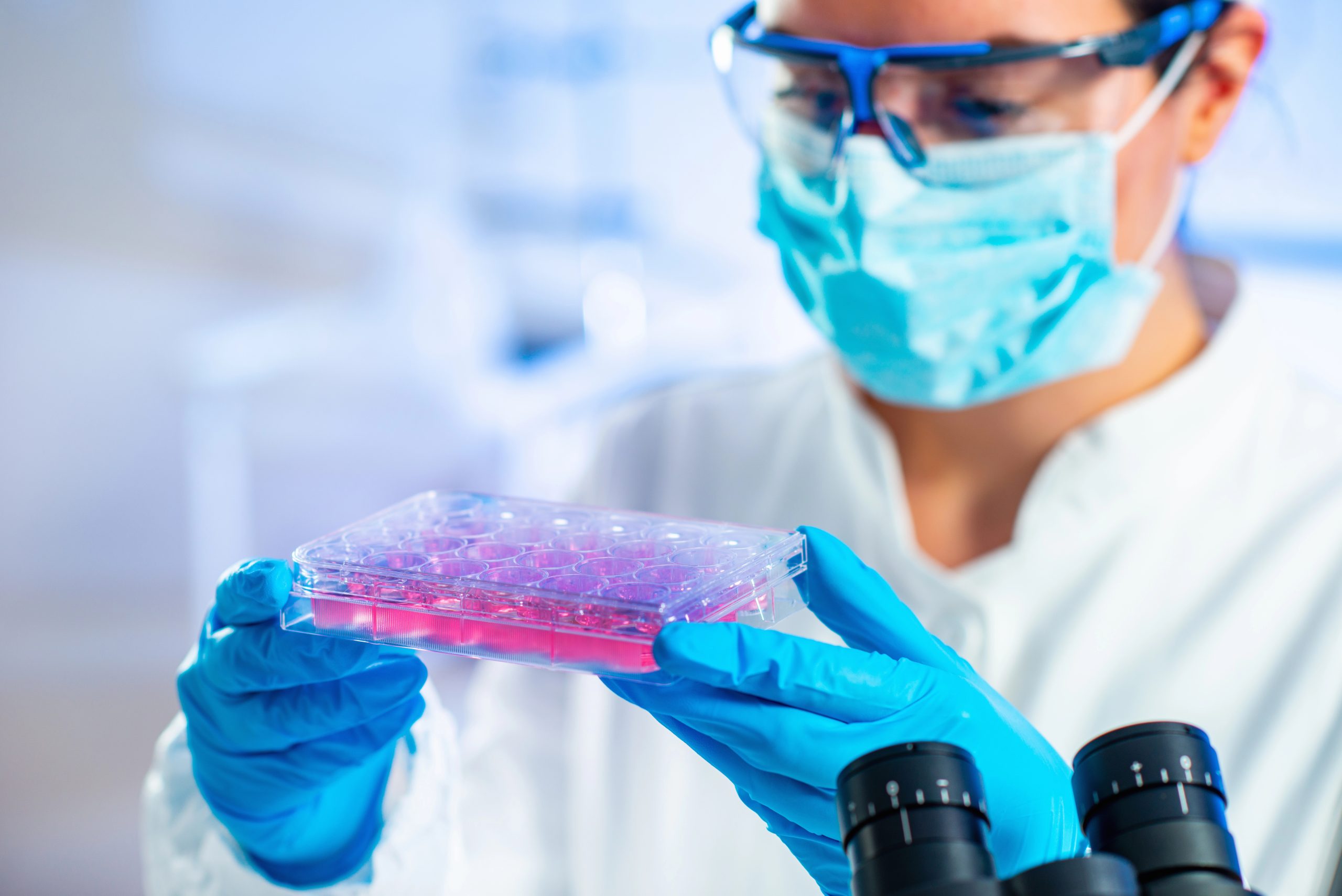
The question of whether cell-based therapies can show measurable improvement in systemic fibrosis is the central challenge of regenerative medicine in 2026. Because fibrosis, the pathological scarring of tissue, was long considered a permanent, one-way street, the medical community has set a high bar for evidence.
For conditions like Systemic Sclerosis (Scleroderma), Pulmonary Fibrosis, and Cirrhosis, the focus has shifted from merely slowing the progression of scarring to actively reversing it. Recent clinical data suggest that cell-based therapies are indeed hitting those measurable benchmarks.
Measurable Benchmarks: The Evidence of Reversal
In the landscape of 2026, researchers no longer rely solely on how a patient feels. To prove that Mesenchymal Stem Cells (MSCs) or their derivatives are working, clinicians track specific and objective metrics.
Skin Score Reductions: In Systemic Sclerosis, the Modified Rodnan Skin Score (mRSS) is the gold standard for tracking disease burden. Recent trials have shown that patients receiving systemic MSC infusions demonstrate a statistically significant decrease in skin thickness, a result rarely seen with traditional immunosuppressants alone. For a patient who has watched their skin grow tighter and more restrictive over the years, a measurable reduction in mRSS is not a small thing. It is a documented reversal.
Pulmonary Function Tests (PFTs): For those living with pulmonary fibrosis, every breath is a negotiation. Measurable improvement is found in Forced Vital Capacity (FVC) and Diffusion Capacity (DLCO). Rather than the typical 5–10% annual decline that characterizes the disease's natural course, stabilized or slightly improved percentages are being reported in cell-therapy cohorts. For a patient who has spent years watching those numbers fall, stabilization alone represents a profound shift in trajectory.
Elasticity Imaging (Elastography): Using specialized ultrasound or MRI, clinicians can now directly measure the stiffness of internal organs. In cases of hepatic or renal fibrosis, a measurable reduction in tissue kilopascals (kPa) indicates that the dense collagen matrix is being broken down.
The Mechanism: How Cells Measure Up
The reason these therapies show measurable change comes down to their multi-modal approach to what researchers call the "fibrotic triad." Unlike a pharmaceutical drug that targets a single receptor, stem cells act as a biological command center, sensing their environment and deploying a coordinated response.
Anti-Fibrotic Signaling
MSCs release a specific profile of secretomes that inhibit Transforming Growth Factor-beta (TGF-β), the primary molecular driver of scar formation. By suppressing this signal, the cells prevent quiescent fibroblasts from activating into myofibroblasts, which are the cells that actually pump out the excess collagen responsible for organ stiffening. This is not a passive process. The cells are actively intervening in the biochemical cascade that leads to scarring.
This dynamic, adaptive signaling is the same property that makes MSC therapy so compelling across a spectrum of conditions. As explored in our overview of how stem cell therapy is transforming lives, the ability of stem cells to respond intelligently to their environment is what sets them apart from conventional treatments.
Extracellular Matrix (ECM) Remodeling
Perhaps the most exciting measurable improvement comes from the activation of Matrix Metalloproteinases (MMPs). These are enzymes that function like biological scissors, cutting through the hardened, cross-linked collagen that characterizes systemic fibrosis. When these enzymes are upregulated by stem cell signaling, the body begins to actively reabsorb the scar tissue it once laid down. The matrix, long thought to be permanent, becomes malleable again.
Immune Recalibration
A factor that is often underappreciated in fibrosis is the role of chronic, low-level immune dysregulation. In many fibrotic conditions, the immune system is caught in a feedback loop, perpetually signaling damage, generating scar tissue in response. MSCs are uniquely suited to interrupt this loop through immunomodulation: rebalancing cytokine profiles, suppressing hyperactive immune responses, and creating the biological conditions under which healing, rather than scarring, can proceed.
Factors Influencing Success
While the data is promising, measurable improvement is not a guarantee for every patient. Regenerative medicine is not a universal cure; it is a precision tool, and its results depend heavily on three critical variables.
The Point of No Return
Regenerative medicine is most effective when there is still viable parenchyma (functional tissue) remaining to save and support. If an organ has reached end-stage confluent fibrosis, the architectural damage may be too extensive for cellular signals to reorganize. This is why early intervention matters enormously. Patients who initiate regenerative therapy in the moderate stages of fibrosis consistently show better outcomes than those who wait until the disease has run its course.
Dose and Frequency
Data from 2025 and 2026 indicate that systemic fibrosis demands a high-dose, multi-infusion approach. Because the disease affects organs throughout the body simultaneously, a single localized injection is rarely sufficient. Success is more frequently documented in patients who receive multiple intravenous infusions over time, allowing the cells to home to various affected organs and sustain their anti-fibrotic and remodeling signals across treatment cycles.
Understanding how different cell sources and delivery strategies affect outcomes is essential for any patient navigating their options. Our resource on choosing the right stem cell therapy for your needs walks through these distinctions in detail, helping patients and their families make informed decisions before committing to a protocol.
Cell Source Quality
Not all stem cell preparations are equal, and in the treatment of systemic fibrosis, this distinction is critical. Allogeneic cells derived from tissue consistently demonstrate superior potency and measurable outcomes compared to autologous (a patient's own) cells, particularly in patients whose own stem cell reserves have been depleted by years of chronic inflammation. Cord-derived MSCs are younger, more proliferative, and carry a more robust anti-inflammatory secretome, precisely the qualities needed to counter an entrenched fibrotic environment.
For patients with chronic systemic disease, this is one of the most important clinical decisions in the treatment plan.
What the Data Tells Us and What Comes Next
The science of fibrotic regression is still young, but its trajectory is unmistakably forward. Researchers who once argued that fibrosis was irreversible are now publishing data showing measurable reductions in scar tissue. Elastography readings are going down. mRSS scores are improving. FVC percentages are holding steady in cohorts where decline was once inevitable.
This represents more than incremental progress; it represents a paradigm shift in how we understand the body's capacity to repair itself, even in the face of severe, chronic, systemic disease. To understand the broader science underpinning these breakthroughs, Cellebration Wellness's deep dive into stem cells for longevity and health provides essential context on the regenerative mechanisms that make fibrotic reversal possible.
Learn More With Cellebration Wellness
The answer to whether cell-based therapies are showing measurable improvement in systemic fibrosis is a qualified yes. While we are not yet at the stage of a complete cure, we have entered an era where fibrotic regression is a documented clinical outcome, not a theoretical hope, but an objective finding that clinicians are tracking with precision instruments.
At Cellebration Wellness, we track these metrics with obsessive detail. We believe that for a patient battling a systemic condition, hope must be backed by data.
If you or a loved one is navigating the challenges of a fibrotic condition and wants to understand the objective data behind your regenerative options, we are here to guide you. Contact Cellebration Wellness today at 858-258-5090 to schedule a consultation with our team.