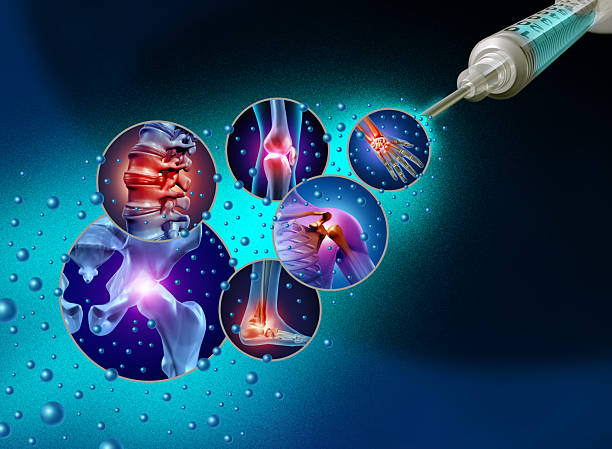
In the rapidly evolving landscape of 2026, regenerative medicine has transitioned from a niche frontier to a mainstream pillar of modern healthcare. Procedures involving Platelet-Rich Plasma (PRP), Mesenchymal Stem Cells (MSCs), and various orthobiologics are now commonplace in sports medicine, pain management, and aesthetics. However, because these therapies often sit at the intersection of established clinical practice and ongoing research, the process of informed consent is more than just a legal formality; it is the ethical foundation of the patient-practitioner relationship.
Informed consent in regenerative medicine is a multi-layered dialogue. It requires clinicians to bridge the gap between complex cellular biology and realistic patient expectations. For a patient, signing a consent form should represent a clear understanding of the "why," the "how," and the "what if" of their treatment.
1. Defining the Nature of the Biologic Material
The first pillar of informed consent is a clear description of exactly what is being injected or infused. Regenerative medicine is not a monolithic field; the biological properties of a bone marrow aspirate are vastly different from those of -derived cells or micro-fragmented adipose tissue.
The consent process must specify the source of the cells (autologous vs. allogeneic) and the processing method involved. If the procedure is autologous, the patient must understand the risks associated with the harvest site, such as the iliac crest for bone marrow or the abdomen for fat. If the material is allogeneic (donor-derived), the consent should detail the screening processes used to ensure the safety and sterility of the product. Patients deserve to know the "biologic identity" of their treatment before it begins.
2. Realistic Expected Outcomes and the "Timeline of Biology"
One of the most frequent points of friction in regenerative medicine is the mismatch between patient expectations and biological reality. Unlike a corticosteroid injection, which can provide "pharmaceutical speed" relief within days, regenerative therapies operate on a biological timeline of weeks and months.
Informed consent must explicitly state that results are not immediate. It should describe the phases of healing, initial inflammation, cellular proliferation, and long-term tissue remodeling, so the patient is not discouraged when they do not feel "cured" in the first week.
Furthermore, the clinician must be transparent about the degree of expected improvement. Regenerative medicine often aims for functional gain and pain reduction rather than a total "reversal" of a condition like advanced osteoarthritis. Setting a realistic ceiling for success is a critical component of ethical consent.
3. The Regulatory Status of the Procedure
The regulatory environment for regenerative medicine is complex and varies significantly by country. In the United States, for example, many stem cell procedures fall under specific FDA frameworks (such as 21 CFR Part 1271) that dictate how cells can be handled and marketed.
A robust informed consent process must disclose the regulatory status of the specific procedure. If a treatment is being used "off-label" or is part of a clinical trial, this must be stated clearly. Patients should understand whether the procedure is considered a standard of care or an emerging therapy. Transparency regarding regulation protects the patient from predatory marketing and ensures they are making a decision based on the current legal and scientific standing of the treatment.
4. Disclosure of Risks and Potential Complications
No medical procedure is entirely without risk, and regenerative medicine is no exception. While MSC and PRP therapies generally have excellent safety profiles due to their biocompatibility, the consent form must detail potential adverse events.
These risks typically fall into two categories:
Procedural Risks: These include localized pain at the injection site, swelling, bruising, or the rare possibility of infection.
Biological Risks: In some cases, a patient may experience a temporary "flare" of inflammation as the immune system responds to the injected material. For allogeneic products, there is a theoretical (though statistically low) risk of an immune reaction.
A comprehensive consent process does not gloss over these possibilities. Instead, it provides a balanced view, allowing the patient to weigh the potential for tissue repair against the known risks of the intervention.
5. Discussion of Alternative Treatments
Informed consent is only valid if the patient is aware of their other options. A clinician has an ethical obligation to discuss the standard-of-care alternatives to regenerative therapy. This might include:
Conservative management (physical therapy, bracing, and weight loss).
Traditional pharmacological interventions (NSAIDs or corticosteroids).
Surgical options (joint replacement or arthroscopic repair).
By placing regenerative medicine within the broader context of the patient's treatment options, the clinician empowers the patient to choose the path that best aligns with their lifestyle goals and risk tolerance. This "comparative" approach is a hallmark of high-quality medical decision-making.
6. Financial Responsibility and Insurance Coverage
Because many regenerative procedures are still categorized as "investigational" or "experimental" by third-party payers, insurance coverage is often unavailable. This creates a significant financial burden for the patient that must be addressed during the consent process.
The informed consent discussion should include a clear breakdown of the costs, including the procedure fee, facility fees, and any necessary follow-up imaging or physical therapy. Patients should be informed upfront that they will likely be responsible for the full cost of the treatment. Avoiding financial surprises is essential for maintaining the trust that is so vital in a long-term regenerative care plan.
7. The Post-Procedure Protocol and Patient Compliance
The success of a regenerative procedure depends on what happens after the needle is removed. Regenerative cells are sensitive to their environment; certain medications (like high-dose NSAIDs) or premature high-impact activity can disrupt the delicate signaling process.
Informed consent should include a summary of the post-procedure restrictions and the mandated rehabilitation protocol. If a patient is unwilling or unable to commit to the necessary downtime or physical therapy, they may not be a good candidate for the procedure. Ensuring the patient understands their role as an active participant in the healing process is a vital, yet often overlooked, part of the consent dialogue.
Book Your Appointment with Cellebration Wellness
At Cellebration Wellness, we believe that a well-informed patient is a more successful patient. We dedicate the necessary time to ensure that every individual we serve has a clear, science-backed understanding of their treatment path.
The healing journey begins with clarity. If you are considering a regenerative procedure and have questions about what to expect, we invite you to reach out for a detailed consultation. You can reach Cellebration Wellness online or call us at 858-258-5090 to speak with a specialist who can guide you through every step of the informed consent process.