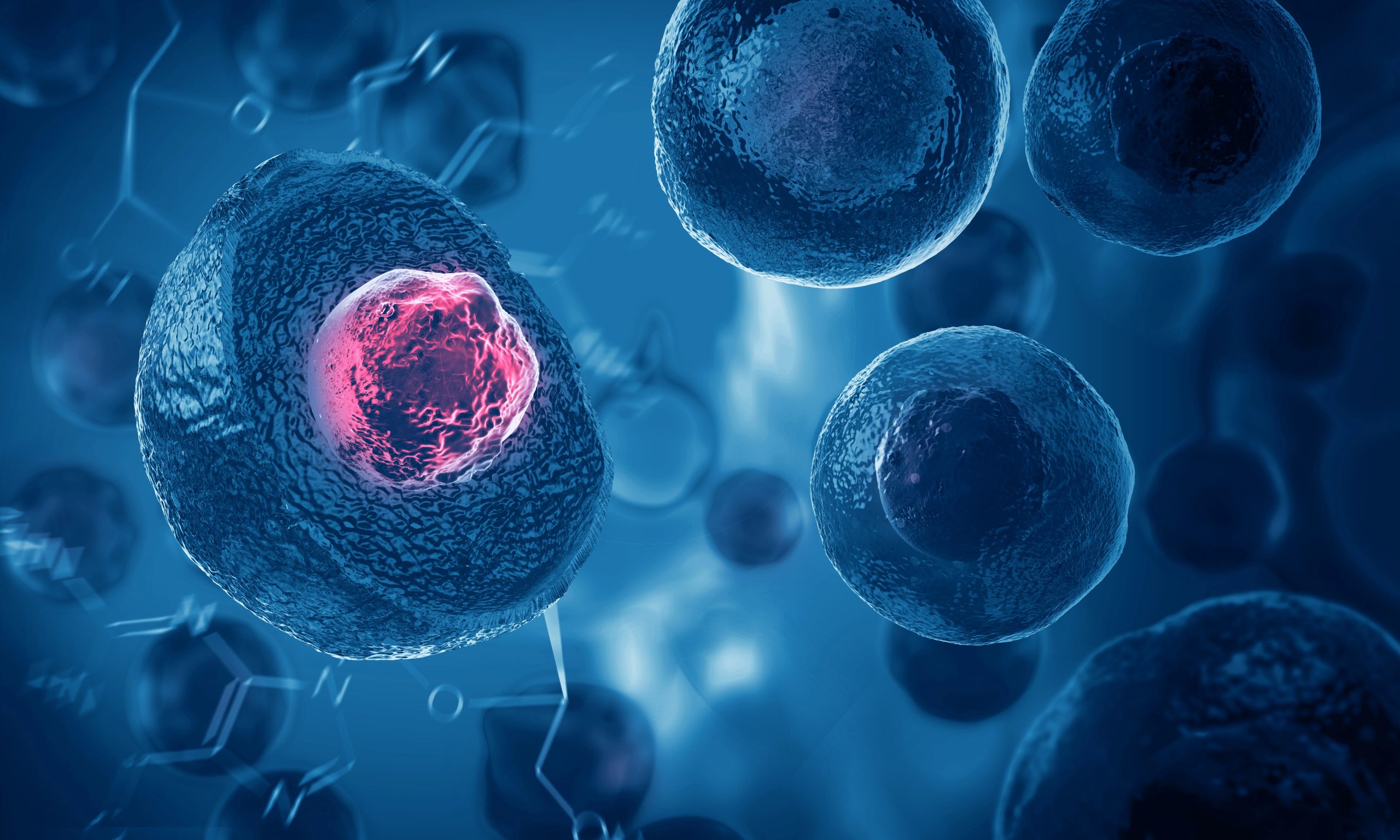
Mesenchymal stem cells, commonly referred to as MSCs, have attracted more scientific attention over the past two decades than almost any other cell type in regenerative medicine. Yet despite thousands of published studies, outcomes in both laboratory and clinical settings remain inconsistent — and researchers are still working to understand why.
What Are Mesenchymal Stem Cells, and Where Do They Come From?
MSCs are a type of adult stem cell found in several tissues throughout the body. Bone marrow has traditionally been the most studied source, but researchers have also isolated MSCs from adipose (fat) tissue, tissue, dental pulp, and the placenta, among other locations.
What makes MSCs particularly interesting to researchers is their apparent flexibility. In laboratory settings, they can be guided to differentiate into bone, cartilage, fat, and muscle cells. They also appear to release signaling molecules that influence surrounding cells and tissues — a property sometimes described as paracrine activity.
Unlike embryonic stem cells, MSCs do not require the same ethical considerations in research, which has made them easier to study across a wider range of institutions. This practical accessibility partly explains why they have become one of the most widely explored cell types in regenerative science.
Why Have MSCs Attracted So Much Research Attention?
Much of the early excitement came from animal studies showing that MSCs could reduce inflammation, support tissue repair, and modulate immune responses. In conditions like osteoarthritis, autoimmune disorders, and cardiovascular disease, these properties looked potentially meaningful.
MSCs also appeared to be relatively safe in early human trials, showing low rates of adverse reactions. For researchers working on conditions where current treatments offer limited relief — chronic joint pain, degenerative conditions, age-related tissue decline — that combination of apparent safety and theoretical benefit made MSCs a natural area of focus.
What Does the Research Actually Show So Far?
The honest answer is: it depends on the condition, the cell source, the study design, and a range of variables that are still being sorted out.
For some applications, like certain bone repair contexts and graft-versus-host disease (a complication of bone marrow transplants), MSCs have shown more consistent promise. For others — including osteoarthritis, neurological conditions, and autoimmune diseases — results across studies have been far more mixed.
A number of clinical trials have reported modest or statistically limited improvements. Others have shown more encouraging signals. The challenge is that many trials are small, use different cell sources, different preparation methods, and different patient populations, making direct comparisons difficult.
Researchers have noted that while MSCs show genuine biological activity in many settings, translating that activity into reliable, reproducible clinical benefit remains an open problem.
Why Is Stem Cell Outcomes Variability Such a Persistent Issue?
Stem cell outcomes variability is one of the most discussed problems in regenerative medicine research, and it does not have a simple explanation.
Several factors appear to contribute. First, MSCs derived from different tissue sources — bone marrow versus versus adipose tissue, for example — do not behave identically. Their gene expression profiles, functional properties, and responses to inflammatory signals can differ in ways that matter clinically.
Second, the age and health status of the donor affects cell quality. MSCs from older donors tend to show reduced proliferative capacity and altered secretion patterns compared to those from younger donors. Third, the way cells are processed, stored, and prepared before use introduces additional variability that is difficult to standardize across institutions.
Finally, the recipient's own biology matters enormously. A patient's immune environment, the severity of their condition, and even their genetic background may all influence how their body responds. This helps explain why two people with similar diagnoses can have notably different experiences — a pattern that has led to significant interest in identifying biomarkers that might predict response.
What Happens When Stem Cell Therapy Doesn't Work as Expected?
Reports of failed stem cell therapy and instances of stem cell therapy not working as anticipated are not uncommon in the research literature — and they are worth examining seriously rather than brushing aside.
In some cases, the cells do not survive long enough after administration to produce a lasting effect. In others, the inflammatory environment at the site of injury may suppress MSC activity, essentially working against the intervention. There are also cases where initial improvements are observed but do not persist over time.
Some researchers argue that many early clinical applications moved too quickly from promising animal data to human trials without fully resolving these foundational questions. The gap between what cells do in a controlled laboratory dish and what they do inside a complex, dynamic human body has proven wider than many early optimists anticipated.
How Are Researchers Trying to Improve Consistency?
Several approaches are being actively explored to reduce variability and improve the reliability of MSC-based research.
One direction involves better characterization and standardization — developing agreed-upon criteria for what defines a therapeutically relevant MSC population, so that results from different labs and trials are more comparable.
Another area of focus is preconditioning: exposing cells to specific stimuli before use to enhance their activity. Some researchers are also exploring exosomes — small vesicles released by MSCs that carry signaling molecules — as a potentially more stable and scalable alternative to whole-cell approaches.
There is also growing interest in combination approaches, pairing MSCs with scaffolding materials, anti-inflammatory agents, or physical therapies to create a more supportive environment for cell activity. None of these approaches have yet produced definitive answers, but they reflect the field's movement toward greater scientific rigor.
Learn More About Stem Cells With Cellebration Wellness
The science around MSCs is genuinely interesting and continues to evolve. At the same time, the gap between laboratory findings and consistent clinical outcomes remains real. Anyone reading about stem cell science — whether out of personal health curiosity or deeper research interest — benefits from holding both of those truths at the same time.
Cellebration Wellness focuses on education and wellness approaches informed by current research in regenerative science, including the evolving science around mesenchymal stem cells. Speaking with a qualified professional can help you make sense of what the evidence currently shows and what questions are worth asking for your own health journey.
Contact Cellebration Wellness today at (858) 258-5090 to learn more about your regenerative health options.